



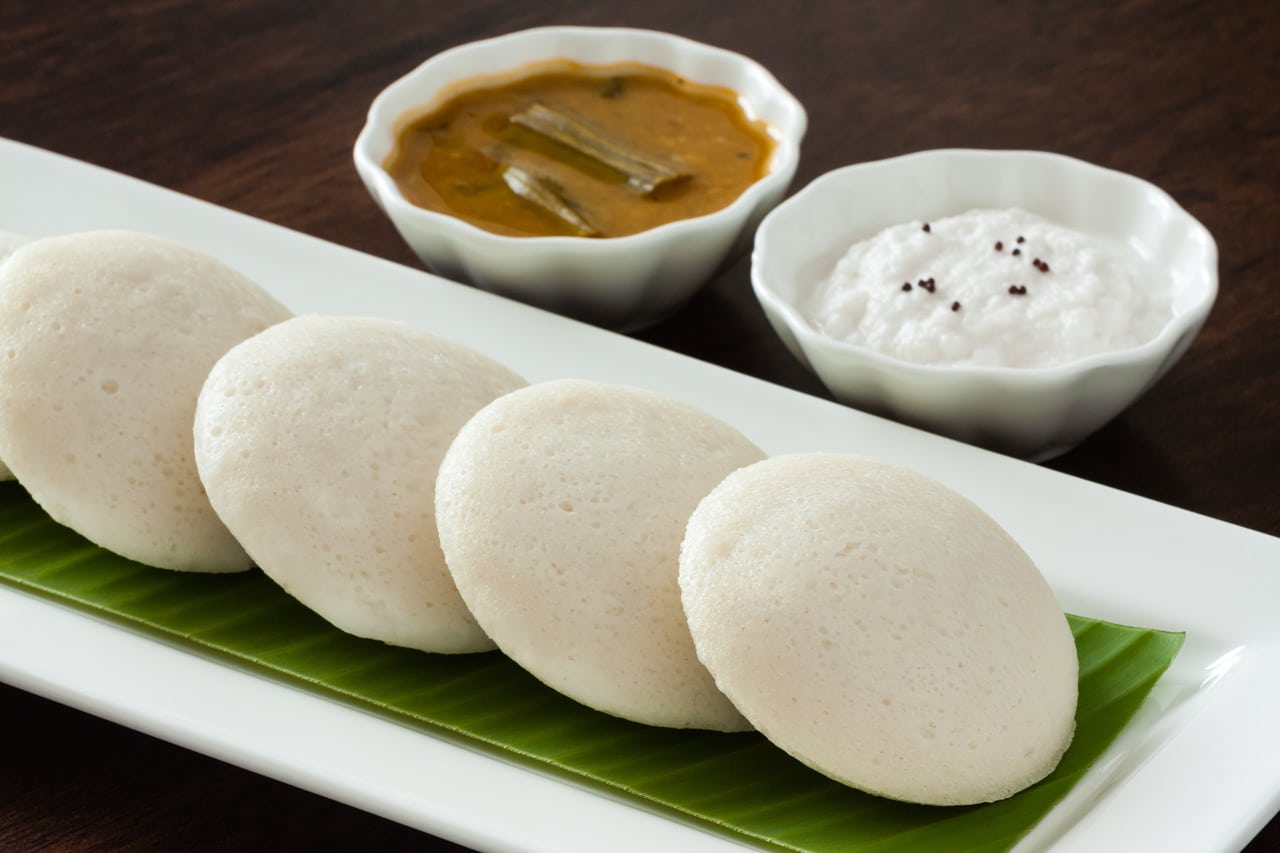
Every morning, across millions of Indian households, a plate of soft, steamed idlis appears on the breakfast table. Yet in the age of crash diets and imported superfoods, this humble ritual gets overlooked. It is time to reclaim the science.
The question so many Indian women are asking today is simple: is idli good for weight loss? The answer, grounded in fermentation science and gut microbiome research, is yes. But the full story is far more elegant than a calorie count.
[Source: HealthifyMe]
What Makes Idli a Metabolic Powerhouse?
Idli is not just a light breakfast. It is one of the few everyday foods that simultaneously supports gut health, mineral absorption, blood sugar stability, and lean muscle preservation. The secret lies not in any single nutrient but in the centuries-old process behind it. Understanding why idli works so well for the body requires looking at what happens long before it reaches the plate.

The Fermentation Advantage
Traditional idli batter is a living product. The fermentation of urad dal and rice by lactic acid bacteria (Leuconostoc mesenteroides, Lactobacillus species) over eight to twelve hours does far more than create flavour. It engineers a fundamentally different food.
What fermentation actually does:
-
Phytic acid reduction: Reduces the anti-nutrient that blocks mineral absorption by up to 50 to 60 percent
-
Mineral bioavailability: Increases absorption of iron, zinc, and magnesium
-
Vitamin uplift: Raises levels of B vitamins, folate, and free amino acids
-
Digestibility: Improves breakdown of both the rice and the dal components
(Source: PMC, Idli batter fermentation and nutritional changes)
So when asking is idli good for weight loss, one of the most compelling answers lies here: the body absorbs this food far more efficiently than unfermented alternatives, with no metabolic penalty.
Glycaemic Index and Blood Sugar Stability
Plain idli has a moderate GI of 65 to 70. But the meal context changes everything. A 2022 study by the Department of Dietetics, National Institute of Nutrition (NIN), Hyderabad, tested 23 South Indian breakfast foods and confirmed that pairing idli with sambar and chutney substantially lowers the overall glycaemic response of the meal. (Source)
Why this matters for weight management:
-
Ghrelin control: Stable blood sugar keeps hunger hormones in check
-
Fat storage signals: Lower insulin spikes reduce the body's signal to store fat
-
Sustained energy: Prevents the mid-morning crash that leads to snacking
This is why is idli good for weight loss cannot be answered by looking at idli alone. The whole meal format is the point.
Protein, Satiety, and Muscle Preservation
Urad dal is rich in lysine, an essential amino acid typically deficient in cereal-heavy diets. Rice contributes methionine. Together they form a complementary protein pair that provides a complete amino acid profile, supporting muscle repair and preserving lean mass during any weight management phase.
Lean muscle mass is the primary driver of resting metabolic rate. Foods that protect it, naturally and without side effects, are the foundation of sustainable wellness.
The Gut-Metabolism Connection
The gut microbiome is a metabolic organ in its own right. A systematic review of 60 studies found that lean body mass and muscle mass consistently correlate with higher Bacteroidetes abundance in the gut, while overweight profiles show the opposite pattern. (Source)

Fermented foods like idli directly support this balance. The lactic acid bacteria from fermentation:
-
Gut lining support: Nourish the intestinal wall and reduce permeability
-
Microbial balance: Promote growth of beneficial bacterial species linked to leaner body composition
-
Short-chain fatty acids: Serve as fuel for colonocytes and reduce gut inflammation
This is the deeper answer to is idli good for weight loss. It is not just about calories in and out. It is about building an internal environment where metabolism works the way it is supposed to.
A daily ritual of fermented foods works with the body's natural biology, supporting gut diversity, hormone health, and metabolic resilience from the inside out.
Why Experts Are Saying Idli Is Good for Weight Loss?
For years, idli was dismissed in diet culture as "just a carb." That narrative is changing. Nutrition researchers, gut health scientists, and Indian dietitians are increasingly pointing to fermented traditional foods as the most sustainable path to metabolic wellness, and idli sits at the centre of that conversation.
The evidence is consistent: stable blood sugar, improved gut diversity, better mineral absorption, and preserved lean mass are the building blocks of long-term weight management. Idli, eaten daily as part of a complete South Indian meal, quietly delivers all four. (Source: ScienceDirect, Folk to Functional: Fermented Foods in India)
How the Full South Indian Breakfast Works?
[Source: Whetstone Magazine]
Sambar: The Unsung Metabolic Hero
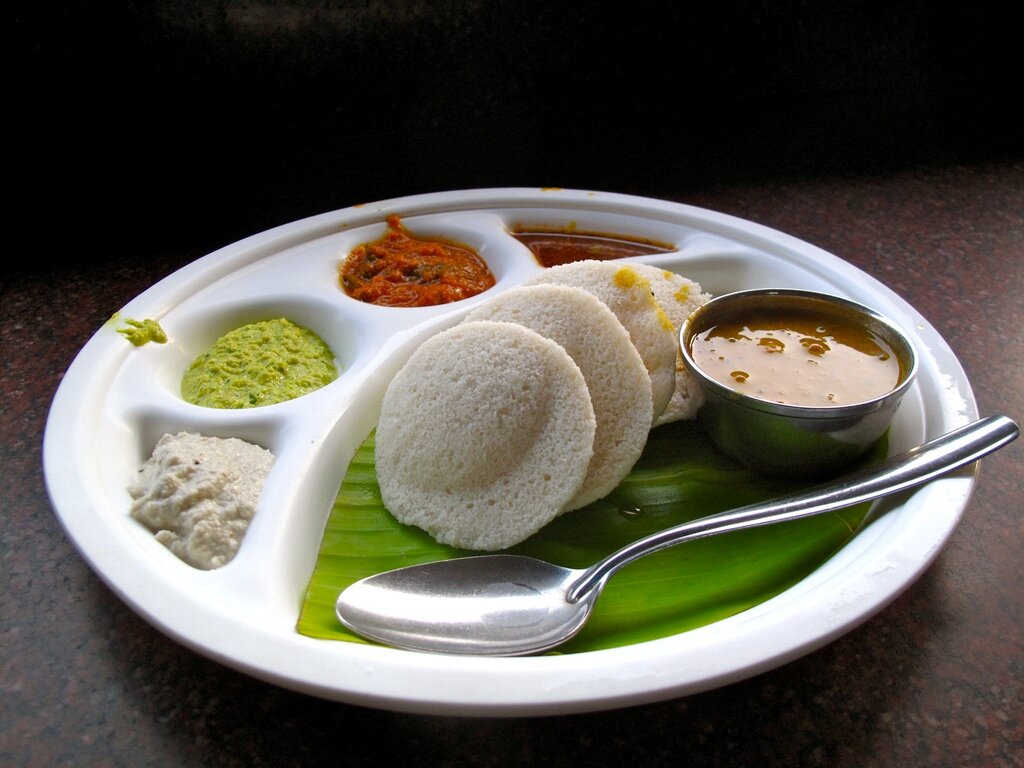
Sambar is not just an accompaniment. It is a nutritional system in itself, delivering toor dal protein, soluble fibre from vegetables, curcumin and quercetin from spices, and moringa from drumstick. Together these slow glucose absorption, reduce inflammation, and add meaningful protein to the meal.
Coconut Chutney: The MCT Advantage
Coconut provides medium-chain triglycerides (MCTs), fats that the body preferentially oxidizes for energy rather than storing. Research in The American Journal of Clinical Nutrition confirms MCTs increase fat oxidation and thermogenesis compared to long-chain fats. (Source)
The complete idli plate, fermented carbohydrates, complementary protein, healthy fat, anti-inflammatory spices, delivers a nutritional logic that no imported superfood breakfast can replicate for the Indian body.
Daily Rituals vs. Temporary Diets
The most important insight from modern metabolic research: consistency beats intensity, every time. Short-term aggressive dieting produces short-term results. Daily rituals, sustained over months and years, produce lasting change.
Asking is idli good for weight loss is the wrong frame. The better question is: does this food, eaten daily as part of a traditional meal, create the conditions for metabolic health over time?
The answer is yes. And the mechanism is not dramatic. It is cumulative:
-
Gut microbiome: Diversity improves over weeks of consistent fermented food intake
-
Blood sugar regulation: Stabilises progressively over months
-
Hormonal balance: Responds to consistent mineral nutrition from bioavailable sources
-
Metabolic rate: Supported by preserved lean muscle across the long term
No crash. No rebound. No side effects. Just the accumulated intelligence of South Indian culinary tradition, now validated by modern science.
Sustainable wellness is not about what is eliminated. It is about which daily rituals are elevated and honoured.
How to Get the Most from Idli?
-
Ferment properly: A minimum eight hours at room temperature. Stone-ground batter over commercial mixes wherever possible. Live cultures are the point.
-
Pair intelligently: Sambar and coconut chutney are not optional extras. They complete the metabolic picture by adding protein, fibre, and healthy fat to moderate the glycaemic response.
-
Eat mindfully: Two to three idlis is a complete breakfast for most adults. Eat slowly. Chew well. Let satiety signals reach the brain before the plate is empty.
-
Be consistent: The benefits are not acute. They accumulate over weeks of daily practice. That is exactly what makes this a ritual, not a diet.
The Smart Addition to Your Morning Ritual: Healeo Fat Burner Coffee
South Indian mornings already have a head start on metabolism. Healeo Fat Burner Coffee is built to take that foundation further, one cup at a time.
What Is Inside and Why It Works?
The formulation targets multiple metabolic pathways simultaneously:
-
MCT Powder (2000 mg): Rapidly oxidized for energy, not stored as fat, supporting thermogenesis and morning clarity
-
CLA (500 mg) and L-Carnitine (500 mg): Support lean body composition and help transport fatty acids into cells to be burned as fuel
-
Garcinia Cambogia (200 mg): Native Indian fruit whose active compound HCA supports appetite regulation and reduces fat accumulation
-
Green Coffee Bean Extract (200 mg): Slows glucose absorption after meals and supports fat-burning mechanisms without jitteriness
-
B Vitamin Complex: Converts food into usable energy and reduces fatigue associated with dietary changes
Conclusion
The most sophisticated nutritional science of the modern era is converging on what South Indian grandmothers always knew. Fermented foods, eaten consistently, alongside diverse plant-based sides, create the conditions for lasting metabolic wellbeing.
So is idli good for weight loss? It is more than that. It is good for gut health, hormonal balance, mineral nutrition, blood sugar stability, and the simple wellness of eating something that nourishes the body without harm.
No side effects. No timeline pressure. Just the slow, steady intelligence of food that has stood the test of thousands of years, now validated by science.
FAQs:
1. Is idli good for weight loss for people with PCOS or thyroid issues?
Yes. The enhanced zinc and magnesium from fermented idli support thyroid enzyme activity and insulin sensitivity, both of which are disrupted in PCOS. It is among the most suitable breakfast options for hormonal metabolic conditions.
2. How many idlis per day is appropriate?
Two to three at breakfast, paired with sambar and chutney. Daily consistency matters more than quantity.
3. Can idli be eaten at dinner too?
Yes. It is light, low-fat, and easy to digest, placing minimal burden on the body in the evening and supporting overnight gut repair processes.
4. How does idli compare to dosa for weight management?
Both use fermented batter, but dosa is pan-cooked with oil, increasing caloric density and reducing the intact probiotic benefit. Idli is the better choice for those specifically asking is idli good for weight loss.
5. Is idli beneficial even with a sedentary lifestyle?
Yes. The gut, hormonal, and blood sugar benefits of fermented idli apply regardless of activity level. Light daily movement amplifies the effects but is not a prerequisite.
6. Is store-bought batter as good as homemade?
No. Commercial batters often contain preservatives that inhibit live cultures. The nutritional benefits of fermentation depend on active microbial activity, which homemade batter provides.
7. Can people with diabetes eat idli?
When paired with sambar and chutney, yes. The fibre and protein in sambar meaningfully moderate the glycaemic response. Personal medical guidance is always recommended.
8. Does ragi or oats idli offer more benefits?
Ragi idli has a lower GI of 54 to 68 and higher calcium. Oats idli adds beta-glucan, a fibre clinically linked to cholesterol reduction and improved satiety. Both are excellent variations for those with specific metabolic goals.
9. How does idli support digestive health beyond weight?
Fermentation produces short-chain fatty acids including butyrate, which fuel the cells lining the gut, strengthen the intestinal barrier, and reduce inflammation throughout the digestive tract.
10. Is idli suitable for children and elderly individuals too?
Yes. It has historically been used as a supplementary food for children with nutritional deficiencies. For elderly individuals, its soft texture, easy digestibility, and probiotic content make it one of the most appropriate daily foods across all life stages.