



Foods to improve memory power are easier to find than most people think, because many of them are already in your kitchen. Forgetting where you left your keys or walking into a room and forgetting why you went there happens to most of us.
Moments like this are common and often put down to age or stress. What you eat also affects how well your brain works over the years. Below are ten everyday foods, each with a daily portion and the research behind it.
At a Glance
|
Questions |
Quick Answers |
|
Which food is best for memory? |
Leafy greens provide nutrients linked to better brain health. |
|
What should I drink for memory? |
Water, coffee and green tea support hydration and alertness. |
|
What is a super brain food? |
Fatty fish provides DHA, an omega-3 fatty acid that supports brain health. |
|
How fast does it work? |
Memory benefits may take time and vary between individuals. |
|
Can any food work the same day? |
No food has been proven to improve memory within a day. |
|
What are the worst foods for memory? |
Excessive alcohol, sugary drinks and frequent fried foods may affect brain health. |
|
Do supplements help? |
Supplements may support brain health alongside a balanced diet, regular exercise and adequate sleep. |
How Do Foods Improve Your Memory Power?
Your brain needs a steady supply of oxygen, blood sugar and healthy fats to work well. Omega-3 fats support brain cell membranes, and antioxidants protect those cells from oxidative stress. Everyday foods supply these nutrients in simple portions.
DHA (docosahexaenoic acid) is the omega-3 found in highest amounts in the brain. ALA (alpha-linolenic acid) is its plant form, found in flaxseeds, chia seeds and walnuts. The body converts only a small share of ALA into DHA.
These nutrients support the brain, but diet alone cannot promise a better memory. Sudden or lasting memory problems need a doctor's opinion, because low vitamin B12, thyroid conditions, some medicines and poor sleep can all affect recall. If you also feel mentally foggy, how to clear brain fog offers practical steps to try.
10 Best Foods to Improve Memory Power
Supporting your memory doesn't always mean changing your entire diet. Small additions to your everyday meals can help. Here are ten foods worth including.
1. Leafy Greens

Have one katori (about 100 g) of cooked palak, methi or sarson daily. This serving gives about 146 mcg of folate, 494 mcg of vitamin K and 11 mg of lutein.
-
Why It Helps: Lutein, folate, vitamin K and beta-carotene limit the oxidative damage that builds up in ageing brain cells.
-
What Research Says: A study involving 960 older adults found that those who ate leafy greens most often experienced slower cognitive decline than those who ate them least often. This makes leafy greens an interesting choice among foods to improve memory power.
2. Fatty Fish
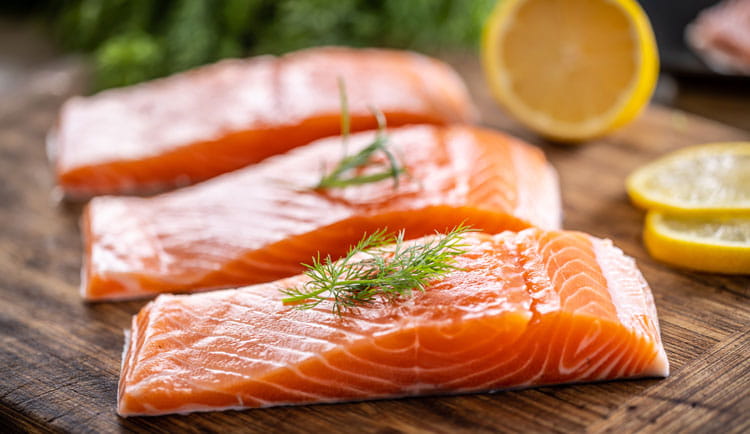
Have a 100 g piece of bangda (mackerel), sardines or salmon twice a week. Mackerel gives about 1.2 g of DHA and EPA (eicosapentaenoic acid), along with 24 g of protein.
-
Why It Helps: DHA forms part of every brain cell membrane, and fatty fish is its richest food source.
-
What Research Says: Omega-3 intake has been linked with lower blood levels of beta-amyloid, a protein that forms the plaques seen in Alzheimer's disease.
Vegetarians should also pay attention to vitamin B12 intake, as milk and curd provide relatively small amounts per serving. Healeo Brain Fuel Drops include vitamin B12 alongside herbal ingredients.
3. Berries

Have one katori (about 100 g) of jamun in season, or strawberries in winter. This gives about 14 mg of vitamin C from jamun or 59 mg from strawberries.
-
Why It Helps: Their anthocyanins, the pigments behind the deep colour, are flavonoids that reach the brain areas handling learning and memory.
-
What Research Says: A large study of nurses looked at strawberries and blueberries. Two or more weekly servings were associated with delaying memory decline by up to 2.5 years.
4. Walnuts

Have two whole walnuts (about 8 g) a day, which gives about 0.7 g of ALA.
-
Why It Helps: ALA supports cell membranes, and the polyphenols may ease inflammation. This makes walnuts a practical choice among foods to improve memory power for vegetarians.
-
What Research Says: One analysis found that people who ate more walnuts tended to score better on cognitive tests, although this does not prove that walnuts directly improve memory.
5. Eggs
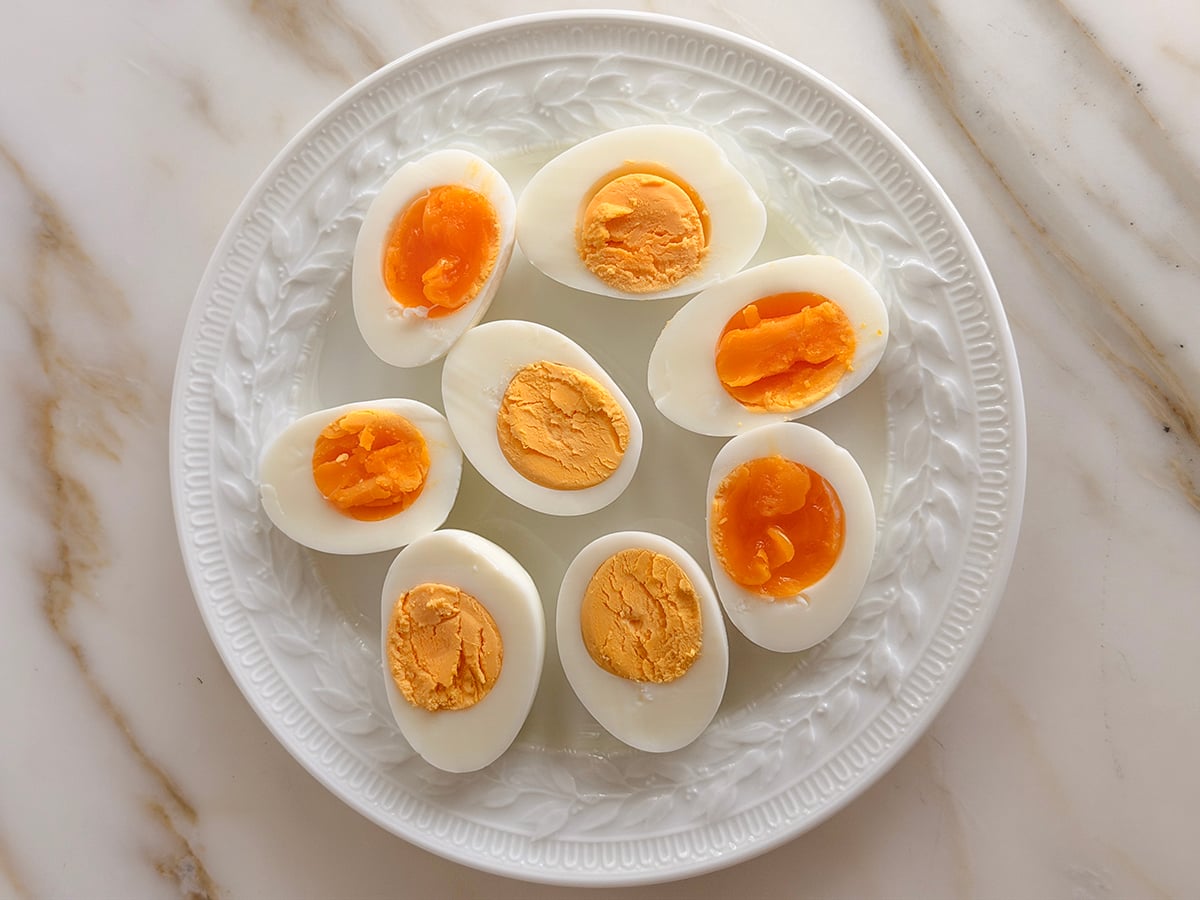
Have one egg a day, boiled, as bhurji or in an omelette. A large egg (about 50 g) gives about 147 mg of choline.
-
Why It Helps: Eggs contain choline, which helps the brain produce acetylcholine, a chemical involved in memory and learning. They also provide vitamin B12, which supports brain and nerve health.
-
What Research Says: One study linked eating eggs about once a week with slower memory decline. More research is needed to confirm whether eggs directly protect memory.
6. Beetroot

Have half a katori of grated beetroot (about 50 g) in salad or raita a few times a week. This gives about 55 mcg of folate (vitamin B9), plus natural nitrate.
-
Why It Helps: Nitrates convert into nitric oxide, which widens blood vessels and improves blood flow to the brain. Beetroot also contains vitamin B9, which supports normal brain function and nerve health.
-
What Research Says: In older adults, a high-nitrate diet increased blood flow to the frontal lobe, an area linked with planning and attention. Better blood flow alone does not prove better recall, so beetroot is a supporting choice among foods to improve memory power.
7. Dark Chocolate

Have two squares (20 g) of chocolate with at least 70% cocoa. This gives about 16 mg of caffeine and 46 mg of magnesium.
-
Why It Helps: Cocoa flavanols may support blood flow, and the small amount of caffeine lifts alertness for a short while.
-
What Research Says: Older adults who had a high-flavanol cocoa drink for three months scored better on memory tests. Ordinary chocolate holds far fewer flavanols than that drink.
8. Almonds

Have six to eight soaked almonds (about 10 g) in the morning. They give about 2.6 mg of vitamin E and 27 mg of magnesium.
-
Why It Helps: Vitamin E is an antioxidant that protects fat-rich brain tissue, and magnesium supports normal nerve function.
-
What Research Says: Nuts appear in reviews of foods that support brain function for their vitamin E content. Direct evidence for almonds is limited, so they work best as one part of a varied diet.
9. Pumpkin Seeds

Have one tablespoon (about 8 g) a day, roasted or sprinkled on poha, salad or curd. This gives about 47 mg of magnesium, 0.6 mg of zinc and 0.7 mg of iron.
-
Why It Helps: Zinc, magnesium and iron support nerve signalling, and low iron can affect concentration. A spoonful a day adds these minerals to a diet built on foods to improve memory power.
-
What Research Says: These minerals play important roles in brain function. However, no trials have tested the seeds themselves.
10. Turmeric

Use half to one teaspoon a day in dal or sabzi, with a pinch of black pepper. Turmeric powder averages about 3% curcumin, so a 3 g teaspoon holds roughly 90 mg.
-
Why It Helps: Curcumin, the active compound in turmeric, may help calm inflammation and oxidative stress, both linked with memory decline.
-
What Research Says: In an 18-month trial, adults aged 51 to 84 taking 90 mg of curcumin twice daily improved memory and attention. That trial used a specially absorbed form, and the body takes up far less curcumin from plain turmeric.
What to Drink and Avoid for Better Memory?
Now that you know what to add to your plate, let's look at what goes into your glass and what you might want to cut back on.
Drinks That Support Brain Health
3 Foods and Drinks to Limit
Foods and Drinks to Limit for Better Focus
Cut back on these to keep your mind sharp
Sugary Drinks
Cola and packaged juices spike blood sugar and leave you flat soon after.
Alcohol
Regular heavy drinking disrupts sleep and affects memory.
Fried and Refined Snacks
Maida biscuits, packaged namkeen and deep fried foods are high in refined carbohydrates, salt or unhealthy fats.
Habits That Support Memory Alongside a Healthy Diet
Food is only one part of brain health, and sleep, exercise and stress also shape how well you remember. Sleep is when the brain stores the day's learning, and most adults need seven to nine hours. Even a brisk 30-minute walk raises blood flow to the brain.
Ongoing stress makes concentration harder, and how stress affects brain health explains why. Meditation can ease that stress, even in a few quiet minutes a day. These meditation poses for brain fog are a simple place to start.
How Long Does It Take for Diet Changes to Make a Difference?
You may notice some benefits sooner than others. Drinking enough water and having caffeine can improve alertness within hours. Eating balanced meals and getting enough sleep can also help you feel more focused over the next few days.
Memory takes longer to improve, and the changes aren't always easy to notice. Research on long-term brain health often looks at changes over months or years. So, focus on eating well consistently rather than expecting certain foods to improve your memory overnight.
Do Supplements Actually Work?
Supplements help mainly when a deficiency exists, so B12, vitamin D and iron are worth testing with your doctor rather than guessing.
Label claims also deserve caution, since many products claim to be clinically tested when the evidence behind them is limited. Check the ingredients and amounts, and treat any supplement as an addition to foods to improve memory power. If you have diabetes, thyroid problems or high blood pressure, speak to your doctor first.
Support Your Daily Focus With Healeo Brain Fuel Drops
Alongside foods to improve memory power, some people also want daily support for focus. Healeo Brain Fuel Drops contain ginkgo biloba and brahmi, two herbs traditionally used for memory and mental clarity.
The drops are taken once daily, with two droppers under the tongue held for 20 seconds. Use them for at least three months alongside your meals. You can also read about one customer's experience with Brain Fuel Drops and their journey with consistent use.
Speak to your doctor first if you are pregnant or nursing, under 18, taking blood thinners or due for surgery, since ginkgo can affect clotting.
For more detail, see Healeo Brain Fuel Drops side effects. This is a dietary supplement and is not intended to diagnose, treat, cure or prevent any disease.
Conclusion
Start with the foods to improve memory power that carry the strongest evidence. Have leafy greens every day, berries in season and fatty fish twice a week, with walnuts and flaxseeds as the vegetarian swap. Eggs, almonds, pumpkin seeds and a little dark chocolate then add choline, vitamin E and key minerals to the mix.
Your glass and your routine matter just as much, so keep water close and save sugary drinks and fried snacks for the odd day. Sleep well and stay active, because no meal can make up for five hours of rest a night.
If you want extra support for focus while these changes settle in, Healeo Brain Fuel Drops can sit alongside your meals.
FAQs
1. What foods are proven to improve memory?
Leafy greens, fatty fish, berries and walnuts have the strongest human research behind them. Eggs, almonds, pumpkin seeds and beetroot also provide nutrients that support brain health. However, most research shows associations rather than proof that these foods directly improve memory.
2. Can low B12 or iron affect memory?
Yes, low vitamin B12 is linked to forgetfulness and brain fog, and it is common among vegetarians. Low iron reduces oxygen supply to the brain, which can leave you tired and unfocused. A simple blood test shows where you stand, and your doctor can guide you from there.
3. How do I boost my memory naturally?
Eat foods to improve memory power regularly, and pair them with seven to nine hours of sleep. A daily walk helps too, since exercise supports blood flow to the brain. Managing stress matters as well, because long periods of stress can affect recall.
4. How can I improve brain function in 7 days?
Regular meals, enough water, a daily walk and sensible caffeine can lift your alertness within a week. Memory itself changes far more slowly, so expect sharper focus before you notice better recall. Treat the first week as a starting point and not a result.
5. What should I drink for memory?
Plain water comes first, since dehydration can dull concentration and mental energy. Coffee and green tea both help alertness when you stay within 400 mg of caffeine a day. Sugary drinks and alcohol do the opposite, dulling focus and disturbing sleep.
6. What are the five worst foods for memory?
Packaged sweets, maida foods, deep fried snacks, processed meats and instant noodles are worth limiting. Each one can spike blood sugar, add to inflammation or crowd out better foods. Cutting back on the ones you eat most often is the easiest place to start.
7. What should a student eat before and during exams?
Start exam day with protein and a whole grain, such as eggs with roti or besan chilla with curd. During study hours, snack on fruit, almonds, walnuts, roasted chana or makhana instead of biscuits. Skip heavy fried food before an exam, since it can leave you feeling sluggish.
8. Can vegetarians get enough omega 3 for memory?
Flaxseeds and chia seeds provide ALA, which the body converts into DHA in small amounts. Algal oil gives vegetarians and vegans a direct source of DHA. Adding a spoon of ground flaxseed to curd or roti dough makes daily intake easy.
9. What is Healeo Brain Fuel Drops?
Healeo Brain Fuel Drops are a daily nootropic supplement with ginkgo biloba, brahmi, L tyrosine, L theanine and vitamins B6 and B12. Ginkgo and brahmi have a long history of traditional use for memory.
10. How do I take Healeo Brain Fuel Drops?
Shake the bottle, place two droppers under your tongue and hold them for about 20 seconds before swallowing. Take them once a day for at least three months alongside balanced meals. You can take them at any time that suits your study or work routine.
11. Are Healeo Brain Fuel Drops safe to take daily?
They are generally well tolerated when taken as directed, and they are vegan, sugar free and gluten free. They are not meant for children or for pregnant or breastfeeding women. Check with your doctor first if you take blood thinners, antidepressants or thyroid medicine.
12. How soon do Healeo Brain Fuel Drops work?
Results vary with age, lifestyle and how regularly you take them, so give the drops at least three months of daily use. Focus and clarity are usually the first changes to look for.