




What is uric acid, and should you worry if your report flags it but you feel perfectly fine? Uric acid is the waste your body makes when it breaks down purines, and most people with high levels have no symptoms for years.
Problems start only when too much builds up and forms crystals in the joints or kidneys. This blog explains the uric acid meaning, what your reading shows, why it rises and what helps.
At a Glance
|
Questions |
Answers |
|
What is uric acid? |
A waste product made when your body breaks down purines from its own cells and from food. |
|
What is the normal uric acid range for women? |
1.5 to 6.0 mg/dL, though many Indian labs use 6.0 as the upper limit. |
|
What is the normal uric acid range for men? |
2.5 to 7.0 mg/dL |
|
What causes high uric acid? |
In about 9 out of 10 cases, the kidneys clear too little of it. |
|
Does high uric acid always cause symptoms? |
No, most people with high levels have none for years. |
|
Which foods raise uric acid the most? |
Organ meat, red meat, certain seafood, beer and sugary drinks. |
|
What level should people with gout aim for? |
Below 6 mg/dL |
What Is Uric Acid?

Purines are natural compounds found in every cell of your body and in many foods. They are part of your DNA, so your body releases them every day as old cells are replaced, and certain foods add more on top. When purines break down, the waste left behind is uric acid.
Only about a third of your uric acid comes from diet. Your body makes the rest on its own, which is why cutting food alone rarely fixes a high reading. Most animals have an enzyme that breaks uric acid down further, but humans don’t, so we naturally carry more of it.
How Your Body Gets Rid of Uric Acid
About two-thirds of uric acid leaves through the kidneys, and the remaining third through the gut. The kidneys filter it from the blood and then reabsorb about 90% of what they filter, which keeps a steady amount in circulation.
Because of this, even a small shift in kidney clearance can push your reading up. That balance is what a uric acid blood test measures.
What Is a Normal Uric Acid Level?
Look at the number next to uric acid on your report. It is measured in mg/dL, and the table below shows how it compares with the standard uric acid normal range for men and women, plus the levels doctors watch most closely.
| Uric Acid Level | Male | Female | What It Means |
|---|---|---|---|
| Low | Below 2.5 mg/dL | Below 1.5 mg/dL | Rare and usually harmless |
| Normal | 2.5 to 7.0 mg/dL | 1.5 to 6.0 mg/dL | Healthy range |
| High | Above 7.0 mg/dL | Above 6.0 mg/dL | Crystals can form in the joints or kidneys, so see your doctor |
Note: Reference ranges differ slightly from lab to lab, so always go by the range printed beside your own result. Even so, a reading can sit inside the normal range and still be above 6.8 mg/dL in men, which is why doctors also look at your symptoms and history.
Why One Reading Is Not Enough
A single result is only a snapshot, because several everyday factors can raise a reading for a short time. That is why a borderline result is often repeated before any decision is made. Here is what can nudge your number up on the day:
-
Dehydration: Not drinking enough water before the test can push the number up.
-
Alcohol: Drinking in the day or two before the test can raise the result.
-
Recent Meals: Food can affect the reading, which is why labs usually ask you to fast for about four hours beforehand.
-
Hard Exercise: Strenuous exercise shortly before the test can raise levels for a while.
-
Sugary Drinks: Fructose from cola or packaged juice can lift the number.
Knowing how to check uric acid and read the result makes your next report easier to understand.
Causes For High Uric Acid
Uric acid levels can rise when the body struggles to get rid of the excess. In most people, levels rise because the kidneys do not remove enough uric acid, while in others the body simply makes more.
Overproduction: When the Body Makes More Uric Acid

-
Excess Body Weight: Carrying extra weight increases uric acid production and also makes it harder to clear.
-
Fast Cell Turnover: Conditions such as psoriasis and some blood cancers break down more cells, which releases more purines.
-
Cancer Treatment: Chemotherapy can destroy many cells at once, a rapid release of cells known as tumor lysis syndrome, which floods the blood with purines.
-
Rare Inherited Conditions: Some uncommon enzyme disorders, such as Lesch-Nyhan syndrome, make the body produce too much uric acid.
Underexcretion: When the Kidneys Clear Less

-
Dehydration: It can push readings up and raise the risk of kidney stones, especially in hot weather.
-
Medicines: Water pills for blood pressure, low dose aspirin and cyclosporine can all raise levels.
-
Health Conditions: Kidney disease and an underactive thyroid both reduce how well uric acid is cleared.
-
Crash Dieting or Fasting: A sudden drop in food intake can slow clearance for a while.
-
Family History: Genes that control how the kidneys handle uric acid run in families, so high levels and gout can be inherited.
Which Foods Should You Avoid or Limit With High Uric Acid?
Diet is the part you control every day, and the grouping below follows standard low purine diet advice.
| Group | Foods | Why It Matters |
|---|---|---|
| High purineover 200 mg |
LiverKidneyHeartSweetbreadsAnchoviesSardinesHerringMackerelMusselsScallopsGame meats
|
These foods break down into uric acid, which can raise blood uric acid levels. |
| Moderate purine100 to 200 mg |
ChickenBeefPorkSalmonTunaShrimpCrabDalChanaRajmaMushroomsSpinachCauliflower
|
Keep portions moderate, though plant foods like dal and spinach did not raise gout risk. |
| Low purineunder 100 mg |
MilkCurdCheeseEggsRiceOatsWhole wheat breadPotatoesCarrotsTomatoesCucumberApplesBananasOrangesBerriesNutsSeeds
|
Eat freely, and choose low fat dairy, which is linked with a lower gout risk. |
| Drinks |
BeerSugary drinks
|
Limit these, as alcohol and fructose raise uric acid. |
Foods are grouped by their purine content, based on Tata 1mg's purine food chart.
For more details on what foods to avoid, read our complete guide.
What Are the Symptoms of High Uric Acid?
Most people with high uric acid have no symptoms, often for years. This silent stage is called asymptomatic hyperuricaemia, and many people only find it through a routine blood test.
Problems begin when crystals build up in a joint or in the kidneys. When symptoms do appear, they tend to come on suddenly and show up in three main ways.
Gout

Gout is a painful form of arthritis that usually affects one joint at a time. It happens when uric acid crystals settle inside a joint and the body reacts with sudden inflammation.
The classic sign is sudden, severe pain in a joint, usually the big toe, with hot, swollen and red skin over it. An attack often begins at night and can make even the weight of a bedsheet hurt.
Kidney Stones

Kidney stones are hard deposits that form inside the kidneys when waste in the urine clumps together. Uric acid stones form when there is too much uric acid in the urine, especially when the urine is very acidic.
As a stone moves, it can cause sharp pain in the back or side and sometimes blood in the urine. Drinking enough water is one of the simplest ways to lower the risk of these stones.
Tophi
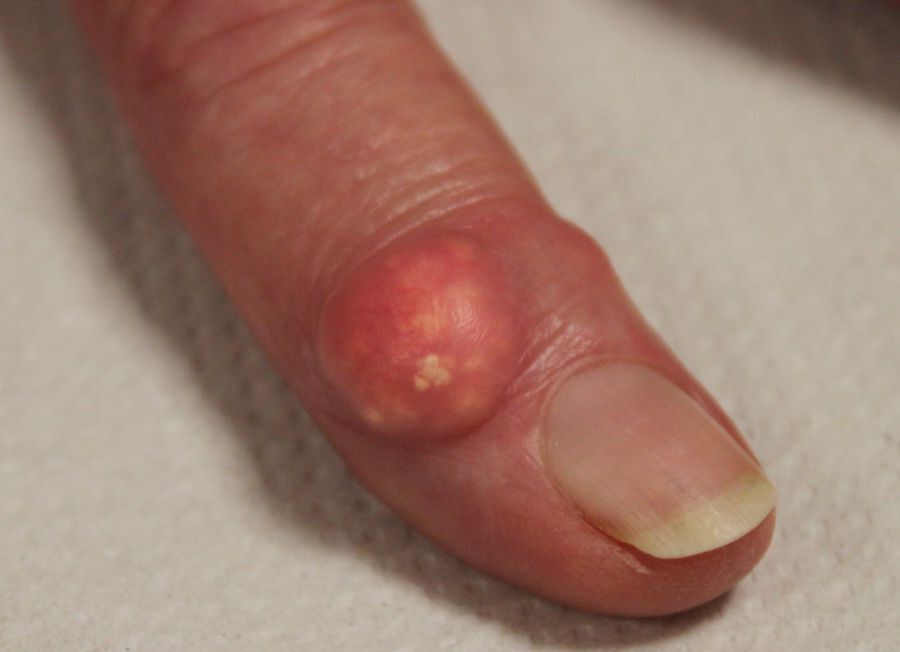
Tophi are hard, chalky lumps of uric acid crystals that collect under the skin, usually around the joints, fingers, elbows or ears. They form slowly when high levels go untreated for many years.
The classic sign is a firm lump that is usually painless unless it becomes inflamed. Because tophi point to long-standing gout, they are worth showing to a doctor.
Does High Uric Acid Cause Heart Disease?
High uric acid is linked with heart disease, but that does not prove it directly causes heart attacks or strokes. It often occurs alongside other health conditions, such as high blood pressure, metabolic syndrome and kidney disease, which can also increase the risk of heart disease.
Researchers think it may affect blood vessel function, but they are still working out how much uric acid itself drives these problems. Two large UK studies from 2022 help put this link in context, one in people with gout and one in people without it.
-
Gout Flares and Heart Risk: A study of more than 62,000 people found that heart attacks and strokes were nearly twice as likely in the 60 days after a gout flare. Still, the extra chance of a heart attack or stroke was small, at about 6 in every 1,000 people over those 60 days.
-
Lowering Uric Acid With Medicine: The ALL-HEART trial studied 5,721 adults over 60 who had heart disease but not gout. It found that allopurinol, a medicine used to lower uric acid, did not help prevent heart attacks, strokes or deaths caused by heart problems.
Neither study shows that a high uric acid number on its own damages the heart. For heart health, the usual advice still applies: manage other risk factors, such as blood pressure, cholesterol, weight and blood sugar, and, if you have gout, ask your doctor how to prevent flares.
How Can You Lower Uric Acid Naturally?
Steady habits bring levels down over weeks rather than days, and the changes below have the clearest support.
-
Drink Enough Water: Plenty of fluids helps you avoid dehydration, a common gout trigger, though people with kidney or heart conditions should follow their doctor’s fluid advice.
-
Cut Back on Alcohol: Have several alcohol-free days each week, and keep beer in particular to occasional use.
-
Swap Sugary Drinks: Replace cola and packaged juice with water or buttermilk, since men who had two or more sugary soft drinks a day had an 85% higher gout risk.
-
Enjoy Coffee in Moderation: In a 12-year study of men, the risk of gout fell as coffee intake rose, though ask your doctor how much is right for you.
-
Add Cherries in Season: Eating cherries was linked with a 35% lower risk of gout attacks in people with gout.
-
Include Vitamin C Foods: Amla, guava and oranges can help, and vitamin C supplements lowered uric acid modestly in trials, though they are not a replacement for gout treatment.
-
Lose Weight Slowly: Losing weight may lower uric acid and reduce gout attacks, though steady loss is safer than a crash diet.
-
Review Your Medicines: Water pills and low dose aspirin can raise uric acid, so ask your doctor before changing any tablets.
Lifestyle changes help, but they may not be enough for people with gout or repeated attacks. For them, doctors may prescribe medicines such as allopurinol or febuxostat to lower levels.
Some home remedies, such as drinking lemon water, consuming apple cider vinegar and soaking your feet in salt water, are commonly used to manage uric acid levels.
To know what research says about home remedies to control uric acid, click here.
Daily Support With Healeo Uric Acid Cleanse Drops

Alongside these diet and lifestyle changes, some people choose a herbal supplement as part of their daily routine. Healeo Uric Acid Cleanse Drops combine cherry, celery seed, nettle leaf, dandelion root, ginger and turmeric. In one study, people with gout who ate cherries had fewer attacks, while the other herbs have a long history of traditional use.
The drops are not a replacement for medicines your doctor prescribes. Speak to your doctor first if you take water pills, kidney medicines or anything prescribed for uric acid, or if you are pregnant or breastfeeding. This is a dietary supplement and is not intended to diagnose, treat, cure or prevent any disease.
Conclusion
Uric acid is a normal waste product, but levels that stay high can raise the risk of gout and kidney stones. So if your report flags a high reading but you feel fine, there is usually no need to panic. It is a reason to drink more water, improve your diet and ask your doctor when to retest.
FAQs
1. What is uric acid in simple words?
Uric acid is a waste product your body makes when it breaks down purines. Purines come from your own cells as they renew and from foods such as meat and seafood.
Most of it leaves through your urine, and it only causes trouble when levels build up.
2. What is the main cause of high uric acid?
In most people, the kidneys clear too little uric acid rather than the body making too much. Dehydration, alcohol, some blood pressure medicines and kidney problems all add to this.
Diet plays a part too, though usually a smaller one than people expect.
3. Is uric acid the same as gout?
No, uric acid is a normal substance in your blood, while gout is a painful condition it can cause. Gout develops when high levels form crystals inside a joint.
Many people with high uric acid never get gout, though their risk is higher.
4. How can I reduce uric acid naturally?
Drink enough water, cut back on alcohol and sugary drinks, and lose any extra weight slowly. Coffee, cherries, low fat dairy and vitamin C rich fruit can stay in your diet.
These steps help many people, though those with gout often need medicine as well.
5. Is dal bad for uric acid?
No, plant foods such as dal, rajma and palak have not been linked with gout the way meat and seafood have.
Dal is also a key protein source in Indian meals, so cutting it can leave you low on protein. Keep portions regular and pair it with vegetables and curd.
6. What is a dangerous uric acid level?
Levels above about 6.8 mg/dL are a main driver of gout, and the risk rises the higher your reading goes. People already living with gout are usually advised to keep levels below 6 mg/dL.
A doctor will also weigh your symptoms and kidney health before deciding on treatment.
7. Can women have high uric acid?
Yes, though it is less common before menopause, since oestrogen has a protective effect. After menopause, levels in women often rise closer to those seen in men.
Weight gain, some blood pressure medicines and thyroid problems can raise levels at any age.
8. Does lemon water reduce uric acid?
Lemon water helps mainly because it increases how much fluid you drink through the day. There is no strong evidence that lemon itself lowers uric acid in any meaningful way.
Plain water in sufficient quantity does exactly the same job.
9. Can high uric acid be cured permanently?
It is controlled rather than cured, in much the same way blood pressure is managed. Diet, water, weight and medicines together can hold levels in range for years.
Stopping treatment on your own usually brings the levels back up again.
10. What should I eat for breakfast with high uric acid?
Poha, idli, besan chilla, oats or curd with fruit all work well in a regular Indian kitchen. Add a glass of water and skip the sugary drink beside it.
Avoid heavy fried items and processed meat such as sausage or salami.
11. What are Healeo Uric Acid Cleanse Drops?
Healeo Uric Acid Cleanse Drops are a daily herbal supplement in liquid form, made to support healthy uric acid levels alongside diet and water.
The blend includes cherry, celery seed, nettle leaf, dandelion root, ginger and turmeric. Each 50 ml bottle holds 25 servings for daily use.
12. How do I take Healeo Uric Acid Cleanse Drops?
Shake the bottle well before each use. Take 2 full droppers (2 ml) and put them under your tongue. Hold for 20 seconds, then swallow.
Don’t mix the drops into water. Take them once a day after a meal, or as your healthcare professional advises. For best results, use them every day for at least 3 months, and drink 2 to 3 litres of water a day while you’re on them.