




Choosing fruits for weight loss doesn’t mean giving up mangoes, bananas or other fruits you enjoy.
What matters more is how much you eat and how much fruit fits into your daily meals, especially when it replaces higher-calorie snacks.
In this guide, you’ll discover ten fruits that are easy to buy in India, along with their nutritional values and practical tips.
You’ll also learn which fruits to enjoy more often and the recommended portions for each.
At a Glance
|
Questions |
Quick Answers |
|
Which fruit is best for losing weight? |
Guava, because it provides plenty of fibre for its calories. |
|
Which fruit has the least sugar? |
Strawberries, followed by watermelon. |
|
How much fruit should I eat daily? |
Two small bowls of fruit a day can be part of a balanced diet. |
|
Can I eat fruit at night? |
Yes, the portion and your overall diet matter more than the time. |
|
Do I need to stop eating mangoes and bananas? |
No, you can enjoy both while keeping portions in mind. |
How Can Fruit Help With Weight Loss?
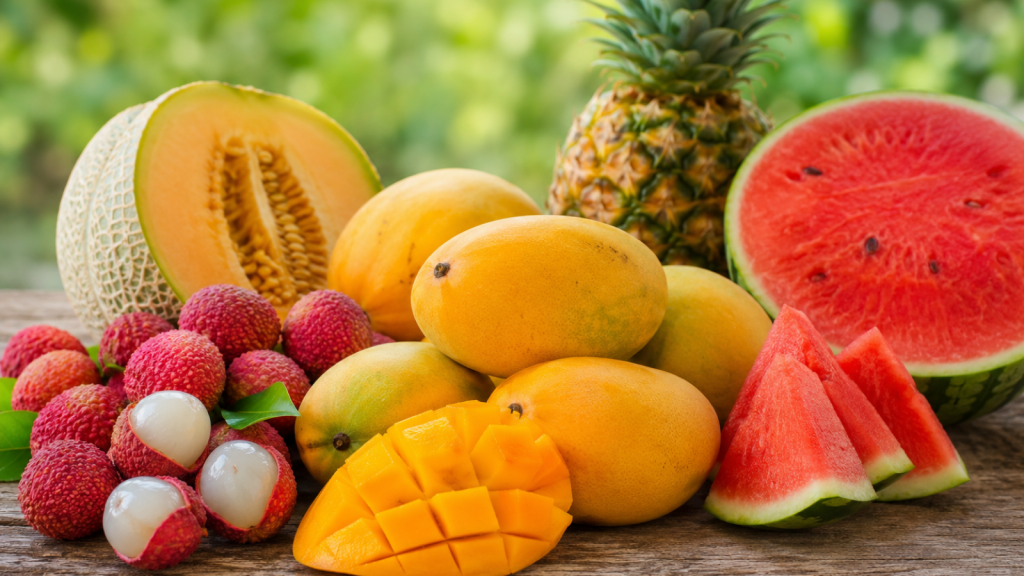
Fruits for weight loss can help you feel full without adding too many calories to your meals. Their water and fibre content makes them a good choice for everyday snacks.
Health guidelines recommend eating at least 400 g of fruit and vegetables daily as part of a healthy diet. Including a variety of fruits can help you get essential vitamins, minerals and fibre.
To make this work for weight loss, try replacing high-calorie snacks like biscuits with fresh fruit. Pairing fruit with curd, paneer or nuts can also make your snack more filling.
Which Are the Best Fruits for Weight Loss?
You don't need expensive or imported fruits for weight loss, since many local fruits provide fibre and water without many calories.
The table compares the nutritional values of all ten fruits per 100 g. Each section below explains their benefits and suggested portions.

Note: Values are per 100 g of raw fruit, taken from the USDA FoodData Central database. Actual figures may vary with the fruit's variety, ripeness and where it is grown.
1. Guava

Guava is a useful choice for weight loss because it provides plenty of fibre for its calories. That fibre slows digestion, so you stay full for longer between meals.
-
Per 100 g: 68 calories, 5.4 g fibre and 8.9 g sugar.
-
Best Time: Around 4 pm, instead of namkeen or biscuits.
-
Portion: One medium guava, eaten with the skin.
2. Papaya
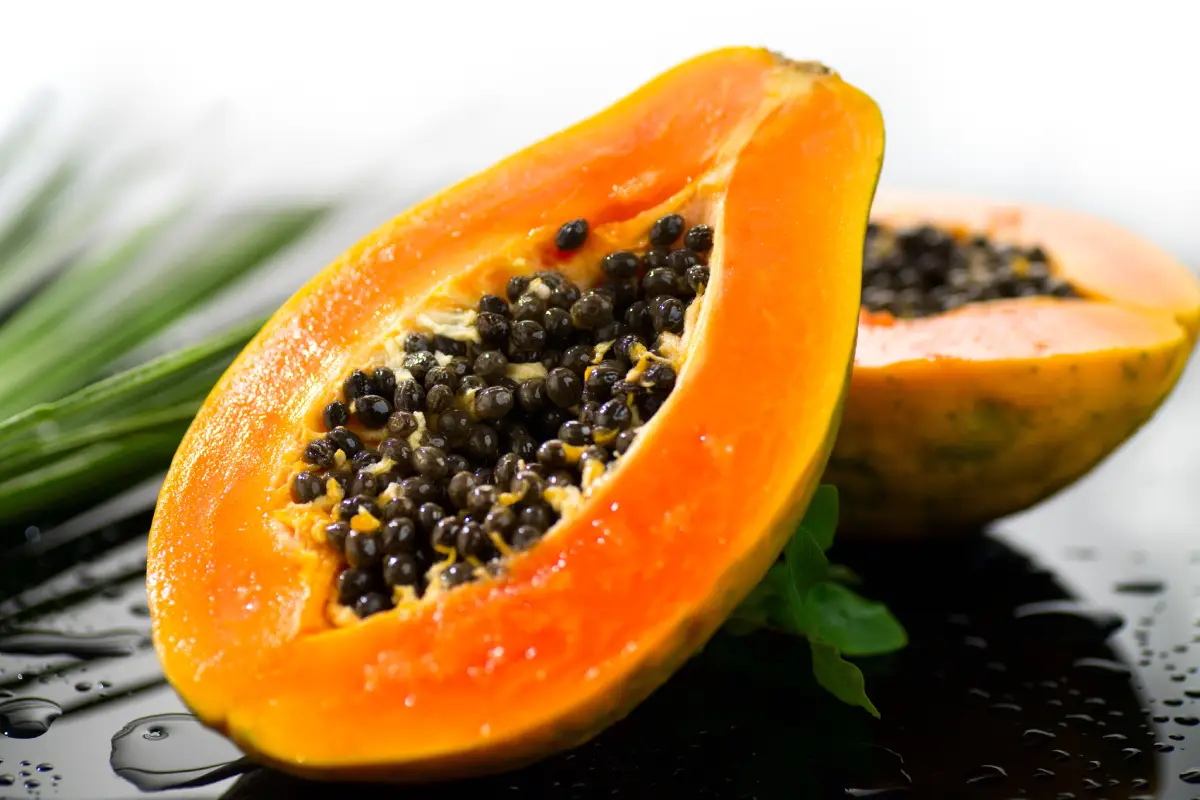
Papaya is one of the easiest fruits to include in a weight-loss diet, and its natural sweetness can replace sweetened cereal at breakfast. Its water and fibre content also support digestive health.
-
Per 100 g: 43 calories, 1.7 g fibre and 7.8 g sugar.
-
Best Time: At breakfast or as a midmorning snack.
-
Portion: One katori, plain or with curd.
3. Watermelon

Among fruits for weight loss, watermelon is a refreshing, low-calorie option, with water making up about 91% of its weight. In one small study, adults who ate watermelon instead of cookies reported greater fullness and experienced modest weight loss.
-
Per 100 g: 30 calories, 0.4 g fibre and 6.2 g sugar.
-
Best Time: Between meals, especially on hot afternoons.
-
Portion: One or two katoris, freshly cut.
4. Grapefruit

Among citrus fruits for weight loss, grapefruit stands out for its high water content and low calories. Half a grapefruit before a meal may help you feel less hungry, so you eat less.
-
Per 100 g: 42 calories, 1.6 g fibre and 6.9 g sugar.
-
Best Time: Before lunch, unless you take medicines that interact with grapefruit.
-
Portion: Half a medium grapefruit, about one small katori.
5. Strawberry
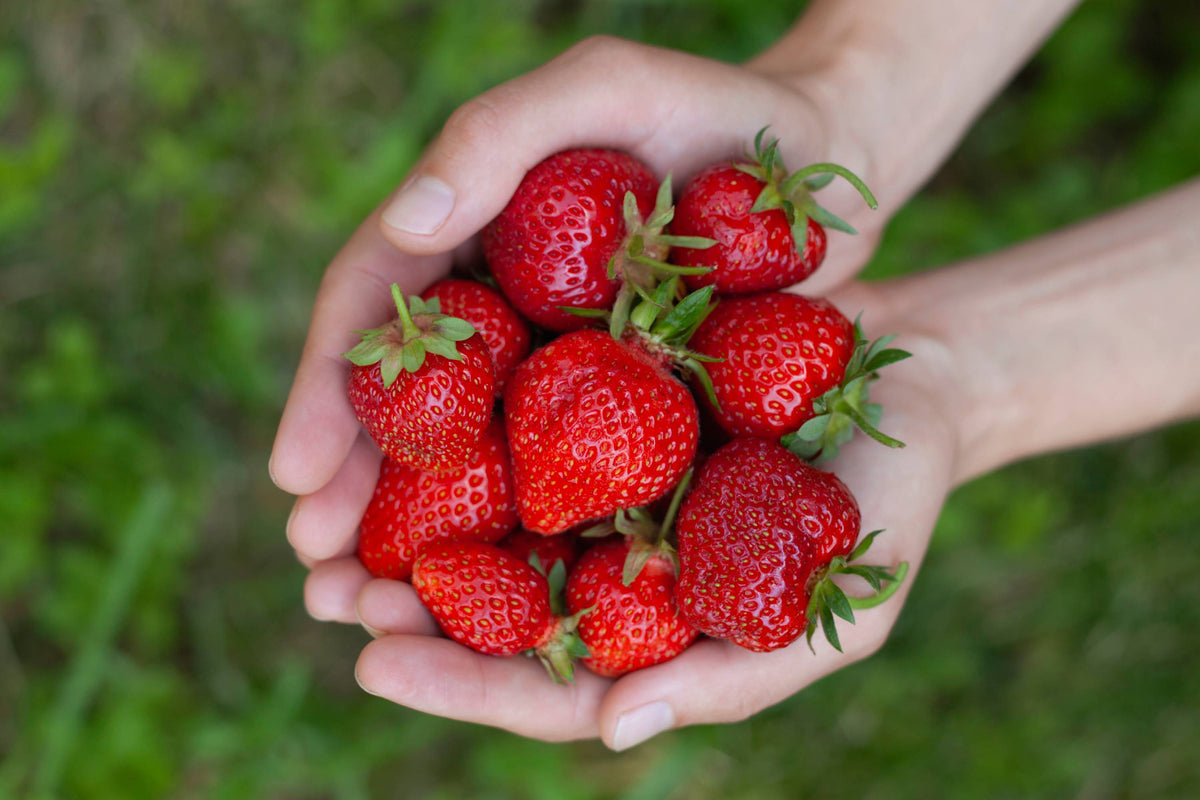
Strawberries have the least sugar of all the fruits for weight loss here, making them a smart dessert swap. In one small study, a strawberry drink with a carb-heavy breakfast softened the insulin rise.
-
Per 100 g: 32 calories, 2 g fibre and 4.9 g sugar.
-
Best Time: As an evening snack or after dinner.
-
Portion: One small bowl, without cream or sugar.
6. Orange

Oranges are among the most popular fruits for weight loss because eating the segments whole keeps the fibre that juice loses. Peeling and chewing also slow you down, giving fullness time to register.
-
Per 100 g: 47 calories, 2.4 g fibre and 9.4 g sugar.
-
Best Time: Mid-morning or alongside your breakfast.
-
Portion: One medium orange, as whole segments.
7. Pineapple

Pineapple is sweet and tangy enough to replace mithai after a meal, cutting added sugar without giving up dessert. A couple of fresh rings carry far fewer calories than most Indian sweets.
-
Per 100 g: 50 calories, 1.4 g fibre and 9.9 g sugar.
-
Best Time: After lunch or dinner, unless it causes acidity.
-
Portion: Two fresh rings, not tinned in syrup.
8. Apple
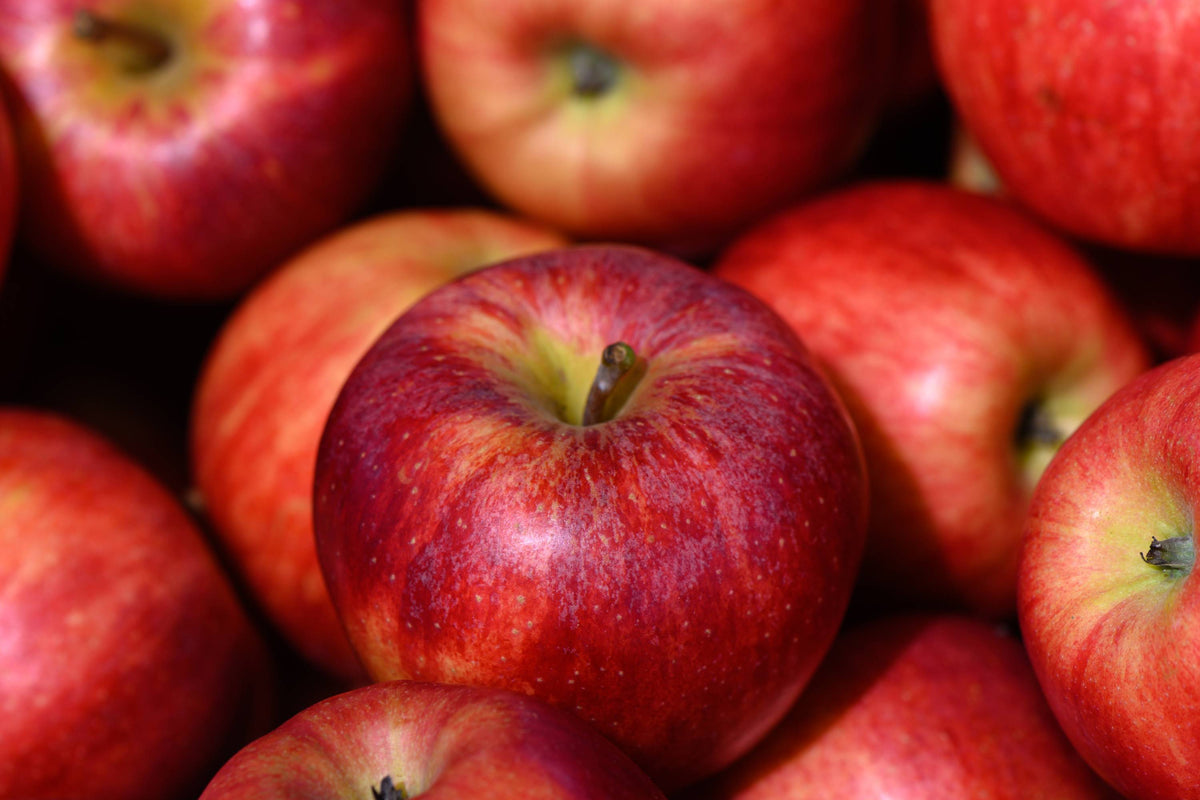
Apple contains fibre, which slows digestion and helps you feel full for longer. This can reduce hunger between meals and help you manage your daily calorie intake.
-
Per 100 g: 52 calories, 2.4 g fibre and 10.4 g sugar.
-
Best Time: Around 11 am or 15 minutes before lunch.
-
Portion: One apple, with a few almonds.
9. Pear

Pear is one of the more fibre-rich fruits for weight loss, with much of that fibre found in the skin. This fibre keeps you full through the long gap between lunch and dinner.
-
Per 100 g: 57 calories, 3.1 g fibre and 9.8 g sugar.
-
Best Time: As an afternoon snack between meals.
-
Portion: One ripe pear, eaten with the skin.
10. Pomegranate

Pomegranate seeds bring fibre and natural sweetness, and picking and chewing them helps you eat more slowly. It is higher in calories than most fruits here, so keep an eye on your portion.
-
Per 100 g: 83 calories, 4 g fibre and 13.7 g sugar.
-
Best Time: At breakfast or after a workout.
-
Portion: Half a katori, plain or in curd.
You can also read about 7 fruits that may support your weight loss journey for more ideas.
How Can You Fit Fruit Into an Indian Diet?
The easiest way to eat more fruits for weight loss is to slot them into the meals and snack times you already have. Here’s one simple way to spread them across the day.
|
Time |
What to Have |
|
Breakfast |
One katori of papaya, plain or with curd |
|
Mid-morning |
One apple, with a few almonds |
|
Afternoon |
A katori of watermelon on hot days |
|
Evening |
One guava instead of namkeen or biscuits |
|
After dinner |
Two pineapple rings instead of mithai |
Note: Have these fruits alongside proper meals, not in place of them, and adjust portions to your routine.
5 Fruits to Limit for Weight Loss

You don't have to avoid any fruit completely, but some are easier to overeat than others, especially when they are dried or served in large portions.
-
Banana: One medium banana fits a balanced diet, especially as a snack before exercise when you need quick energy. It is more calorie dense than most fresh fruits, so pair it with curd instead of eating two or three.
-
Mango: Enjoy a few slices of fresh mango after a meal rather than a big bowl of sweetened aamras or mango shake. Ripe mango is naturally high in sugar, so treat it as a seasonal treat.
-
Chikoo: Chikoo is soft and very sweet, which makes it easy to eat several in one sitting. Stick to one small chikoo, and pair it with a few nuts for a more balanced snack.
-
Grapes: Serve grapes in a small bowl instead of eating straight from the bunch. They are among the sweetest fresh fruits and need little chewing, so handfuls disappear before you feel full.
-
Dates: A couple of dates can satisfy a sweet craving and make a better choice than mithai. As a dried fruit, they are much richer in sugar, so count them out rather than eating from the box.
Are Nuts and Dried Fruit Good for Weight Loss?
Yes, nuts and dried fruit can be good for weight loss, as long as you keep the portions small.
Both are calorie dense, so they work best as a measured snack alongside fresh fruits for weight loss rather than in place of them.
Nuts also add healthy fats and some protein that help keep you full, so a small handful goes a long way.

-
Almonds: Around 6 to 8 almonds make a filling snack.
-
Walnuts: Two whole walnuts add healthy fats and some protein.
-
Dried Fruit: Choose plain raisins, figs or dates and keep them to about 30 g per portion.
Who Should Be Careful?
Most people can enjoy fruit as part of a balanced diet. However, a few health conditions change which fruits suit you and how much you should eat.
-
Diabetes: Fruit can still be part of your diet, but watch portions and ask your doctor which fruits suit your blood glucose.
-
Kidney Disease: Bananas, oranges, pomegranate and dates are high in potassium, which weak kidneys may struggle to clear from the blood.
-
Medicines: Grapefruit and its juice can interact with some common medicines, so check with your doctor first.
Swap Your Sweetened Chai for Healeo Fat Burner Coffee
It’s also worth looking at what you drink each day, as a few cups of sweetened chai or coffee can add a lot of sugar.

Switching to an unsweetened cup helps, and Healeo Fat Burner Coffee makes that swap easier. It is a plant-based coffee with no added sugar, dairy or gluten, designed to support a weight management routine.
Mix one 10 g scoop in 200 ml of hot water, and pair it with balanced meals, regular activity and good sleep.
Avoid it during pregnancy or breastfeeding or if you are sensitive to caffeine, and check with your doctor first if you take medicines. It is a dietary supplement, not intended to diagnose, treat, cure or prevent any disease.
Conclusion
The best fruits for weight loss are the ones you enjoy and can eat in sensible portions every day. Guava, papaya, watermelon, oranges and apples make easy daily snacks, while mangoes, bananas and chikoo suit smaller servings.
Start by swapping one daily snack for a fruit, then build up to two or three portions. Choose whole fruit over juice, and fit it into balanced meals like those in this Indian diet chart for weight loss.
Lasting weight loss comes from habits you can keep. Small, steady swaps like these are far easier to stick with than cutting out the foods you love.
FAQs
1. Which fruit is best for losing weight?
Guava is a good choice if you want more fibre without too many calories. 100g provides around 5.4 g of fibre and 68 calories.
Apples, pears and papaya are also worth including, depending on what you enjoy and what is available locally.
2. Which fruits help you lose weight faster?
No fruit can make weight loss happen faster on its own. Fruits such as watermelon, strawberries and papaya are relatively low in calories, so they can be useful snacks.
What matters most is how they fit into your meals and daily calorie intake.
3. What are the five fruits to avoid for weight loss?
The five fruits people most often limit for weight loss are bananas, mangoes, chikoo, grapes and dates. They are higher in natural sugar or easy to overeat, but you don’t need to avoid them completely.
Enjoy them in small, measured portions, especially dates, which carry more calories than fresh fruit.
4. Can I eat fruits at night for weight loss?
Yes, you can eat fruit at night. The time itself doesn't determine whether you gain weight. If you're hungry after dinner, choose a portion that feels comfortable.
If eating close to bedtime gives you acidity or bloating, have your fruit earlier instead.
5. How many fruits should I eat in a day?
Two to three portions can be a useful starting point for many adults, although needs vary with age, activity and overall diet.
One medium fruit or a small bowl of chopped fruit can count as a portion. Include different varieties across the week.
6. Which fruit has the least sugar?
Among the fruits for weight loss compared in this article, strawberries have the least sugar, at around 4.9 g per 100 g. Watermelon follows at 6.2 g.
These figures refer to naturally occurring sugar, and the amount can vary with the fruit’s variety and ripeness.
7. Can I lose weight by eating only fruits for seven days?
Eating only fruit for a week isn't a balanced approach. Fruit alone won't provide enough protein, vitamin B12 or several other nutrients your body needs.
Include fruit with meals containing dal, beans, eggs, dairy or other protein sources, along with vegetables and whole grains.
8. Are dry fruits good for weight loss?
Yes, nuts and dried fruits can be part of your diet. Almonds and walnuts provide fats and some protein, while raisins and dates offer natural sweetness.
Since these foods are concentrated in calories, portion them into a small bowl instead of eating straight from the packet.
9. Is fruit juice good for weight loss?
Whole fruit is usually a better everyday choice than juice. It keeps its fibre and takes longer to eat, while juice is easy to drink quickly. If you enjoy juice or smoothies, keep the combined total to 150 ml a day.
10. Can people with diabetes eat fruits for weight loss?
Yes, many people with diabetes can include fruit in their diet. Fibre rich fruits like guava, apple and pear, eaten in measured portions, are often good options.
Pairing fruit with nuts or curd can also help. Check with your doctor or dietitian about the fruits and portions that suit you.
11. Why should I choose Healeo Fat Burner Coffee?
Healeo Fat Burner Coffee is a plant-based coffee with no added sugar, dairy or gluten. It is designed to support your weight management routine by helping you feel fuller, supporting metabolism and helping manage cravings.
It can also provide an energy boost to help you stay active throughout the day. Easy to prepare, it fits into your daily routine alongside balanced meals and regular physical activity.
12. How do I take Healeo Fat Burner Coffee?
Mix one 10g scoop in 200 ml of hot water, as directed on the label. Keep your total caffeine intake in mind if you also drink tea or coffee.
Avoid it during pregnancy or breastfeeding. Check with your doctor first if you take medicines or have a health condition.


