



The foods to avoid with fatty liver are often the ones we eat regularly, including sweets, fried snacks and sugary drinks.
Gradual changes can help you build healthier eating habits without giving up every food you enjoy.
Fatty liver develops when too much fat builds up in liver cells. Its most common form, metabolic dysfunction-associated steatotic liver disease (MASLD), was previously called non-alcoholic fatty liver disease (NAFLD).
It often causes no symptoms in the early stages, so many people discover it through a routine scan or blood test. This guide covers eight foods and drinks to limit, why they matter and what you can choose instead.
At a Glance
|
Questions |
Quick Answers |
|
Which food should I cut back on first? |
Sugary drinks and packaged juice. |
|
How much sugar should I have in a day? |
Under 50 g of added sugar, ideally under 25 g. |
|
Can I eat rice with fatty liver? |
Yes, in a moderate portion with dal and sabzi. |
|
Which fruit should I limit? |
Limit fruit juices and dried fruits. |
|
Is coffee good for fatty liver? |
Black coffee without sugar may support liver health. |
How Does Diet Help Manage Fatty Liver?
Diet plays an important role in managing fatty liver because the condition can improve as body weight comes down, even with modest weight loss. Losing 3 to 5 per cent of body weight can reduce liver fat, and 7 to 10 per cent may ease inflammation too.
Cutting back on the foods to avoid with fatty liver supports that goal. Reducing added sugar is a practical early change, as it rarely means changing your main meals.
WHO recommends keeping free sugar under 10 per cent of daily energy, and ideally below 5 per cent, or about six teaspoons a day.
Regular walks and other physical activity can also help reduce liver fat, even without major weight loss.
You can also read about other ways to reduce fatty liver and discuss suitable changes with your healthcare professional.
What Are the Top 9 Foods to Avoid With Fatty Liver?
The main foods to avoid with fatty liver are high in added sugar, refined flour, alcohol, unhealthy fats or salt. Their impact depends on your overall diet and portions.
1. Sugary Drinks and Packaged Juices![]()
Cola, packaged mango drinks and sweetened iced tea are easy to sip through the day without noticing how much they add up.
-
Reason to Avoid: Sugary drinks top most lists of foods to avoid with fatty liver, delivering a large dose of sugar with almost no fibre. The liver converts excess fructose into fat, which gradually collects inside liver cells.
-
Healthier Swap: Choose water, chaas or nimbu pani without added sugar. Add mint, cucumber or lemon to water if you prefer a little flavour.
2. Indian Sweets, Cakes and Bakery Biscuits
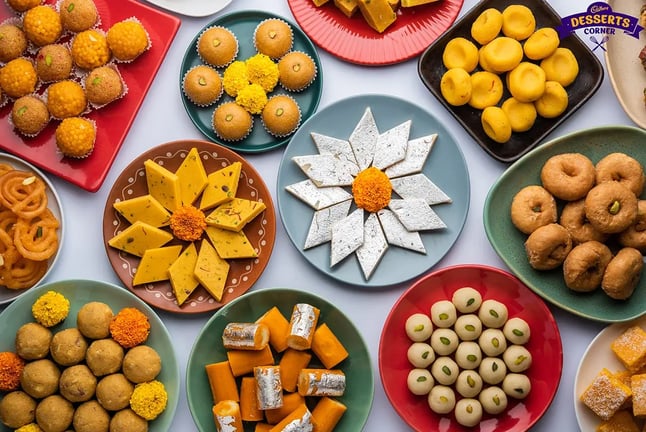
After drinks, sweets are the next big source of added sugar, showing up at festivals, celebrations and evening tea.
-
Reason to Avoid: Gulab jamun, jalebi and cream biscuits pack sugar, refined flour and fat into small portions, so calories climb quickly. The Indian dietary guidelines advise restricting foods high in sugar and fat.
-
Healthier Swap: Save sweets for occasional treats rather than everyday snacks. When a craving hits, have whole fruit or a small bowl of unsweetened yoghurt with fruit.
3. Maida and Other Refined Flour Foods
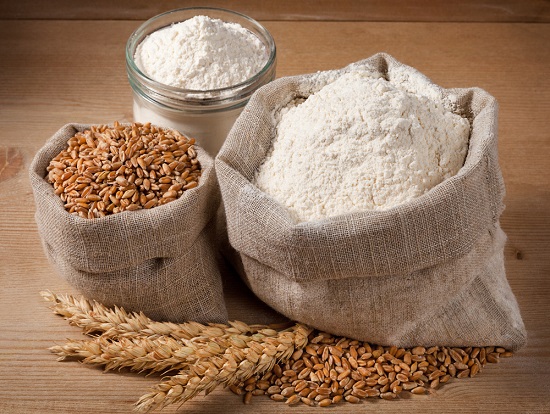
Beyond sweets and biscuits, maida is also found in everyday foods like white bread, pav, naan, rusk and noodles.
-
Reason to Avoid: Maida is low in fibre and can cause rapid blood sugar spikes. Regularly eating high-GI foods may also contribute to liver fat buildup over time.
-
Healthier Swap: Pick whole grain bread over white bread more often. At meals, try whole wheat roti such as ragi and barley in place of naan and pav.
4. Deep Fried Snacks

Samosas, pakodas, vadas, chips and bhujia are familiar tea-time favourites in many Indian homes.
-
Reason to Avoid: Frequent intake can add excess calories to your diet. Animal studies have linked repeatedly heated oil to liver changes, although these findings cannot be directly applied to humans.
-
Healthier Swap: Snack on roasted chana, makhana or boiled corn, or bake and air-fry snacks at home.
5. Fast Food and Takeaway Meals

Fried and refined foods come together in pizza, burgers and late-night delivery orders, now a common part of city life.
-
Reason to Avoid: These meals are often high in refined carbs, fat and salt, but low in vegetables. Getting a fifth or more of your daily calories from fast food is associated with higher liver fat.
-
Healthier Swap: Choose homemade meals more often. When ordering in, opt for dal, grilled dishes or roti with sabzi instead of burgers and fried foods.
6. Packaged Namkeen and Instant Noodles

Namkeen, instant noodles and frozen snacks are quick to grab, which makes them a regular habit for many people.
-
Reason to Avoid: Packed with salt, refined flour and palm oil, they are among the foods to avoid with fatty liver when eaten often. Research on ultra-processed diets points to a higher risk of developing the condition.
-
Healthier Swap: Keep plain nuts or sprouts chaat available for quick snacks. For a convenient meal, make vegetable daliya or millet khichdi instead of instant noodles.
7. Alcoholic Drinks
:max_bytes(150000):strip_icc():format(webp)/Science-Beer-Wine-Spirits-Drinkers-One-Fared-Better-FT-DGTL0426-c35b04850eb64523bac69d01e67f0ea3.jpg)
Alongside these foods, drinks like beer, wine, whisky and toddy often appear at parties, where a drink or two can quietly become a habit.
-
Reason to Avoid: Regular alcohol consumption can cause alcohol-related fatty liver disease (AFLD) by disrupting how the liver processes fat. This can lead to fat accumulation.
-
Healthier Swap: Ask your doctor whether you should avoid alcohol completely, as advice depends on your liver condition. At social events, order soda water with lime and mint.
8. Red and Processed Meats
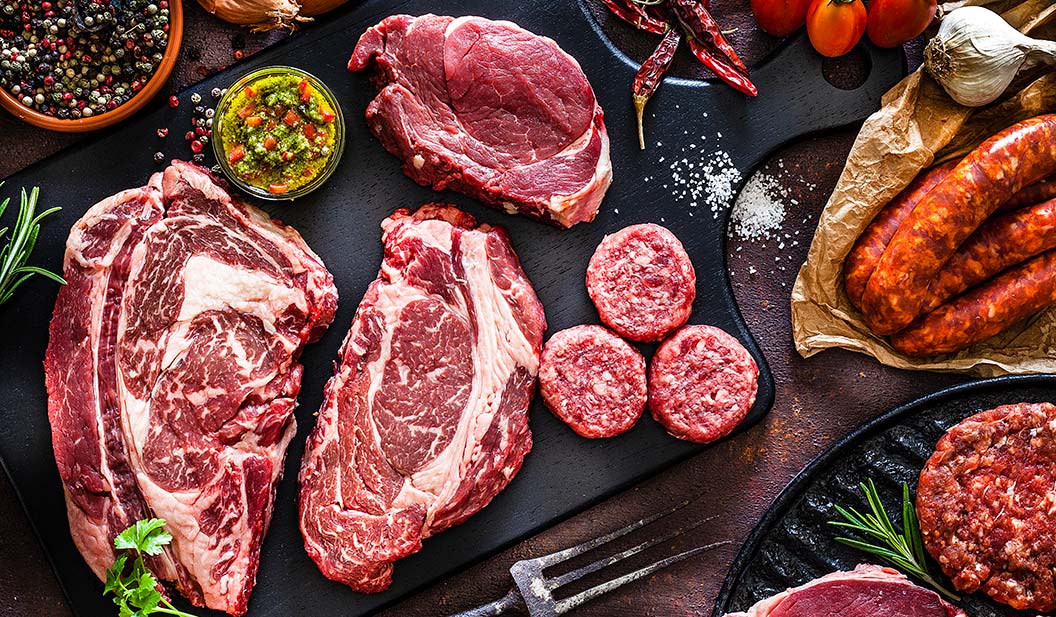
These celebrations often come with mutton, sausages, salami and nuggets, especially at weekends.
-
Reason to Avoid: Fatty red meat is high in saturated fat, while processed meats add salt and preservatives. Regular heavy intake is associated with fatty liver and insulin resistance, though an occasional serving is not the main concern.
-
Healthier Swap: Include more dal, rajma, eggs and fish in your meals. When eating meat, choose leaner cuts and cook them with moderate amounts of oil.
9. Fruit Juice and Dried Fruit
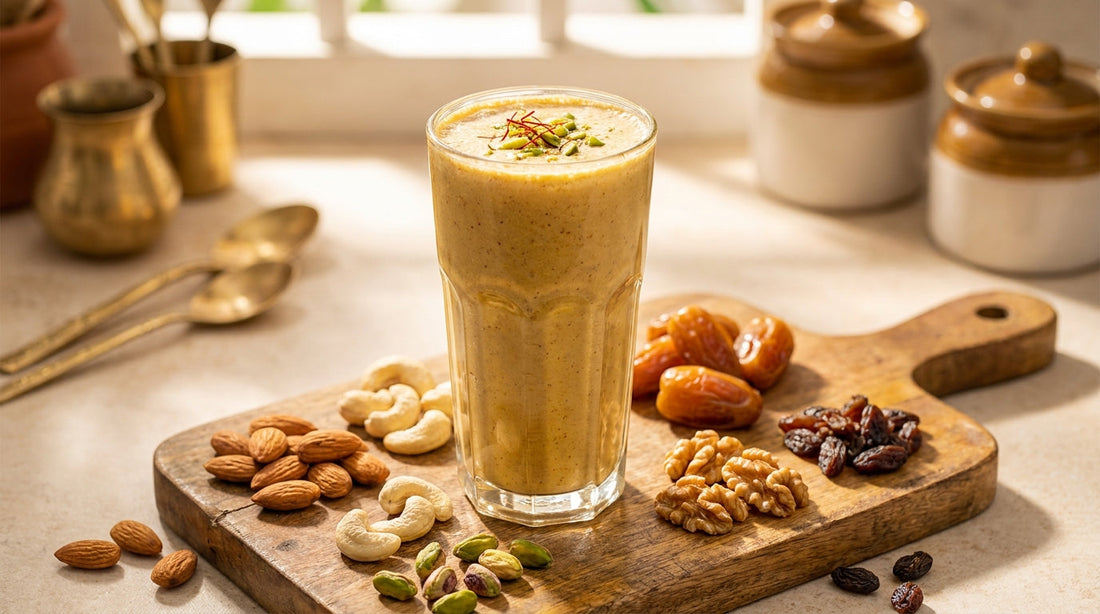
Even fruit, usually a healthy choice, can add more sugar than you expect in some forms.
-
Reason to Avoid: A glass of juice, even 100% fruit juice, contains much more sugar than a single piece of fruit and very little of its fibre. Dates, raisins and figs are compact and sweet, so in large portions they are among the foods to avoid with fatty liver.
-
Healthier Swap: Eat whole fruit instead of juice, and keep dried fruit to two or three pieces at a time. Have fruits like mango, chikoo and custard apple in small portions.
What Can You Eat Instead?
You can replace most of the foods to avoid with fatty liver using simple Indian options that are already in your kitchen.
The table below pairs each common habit with a lighter choice, from your morning chai to your dinner plate.
|
Instead of |
Eat This |
|
Sugar with chai |
Chai without sugar, or half the usual |
|
Cold coffee or sweetened coffee |
Black coffee, or coffee with half the sugar |
|
Sweet lassi or flavoured milk |
Plain toned milk or unsweetened lassi |
|
Puri or paratha for breakfast |
Plain dosa, ragi dosa or moong dal chilla |
|
Fried rice or biryani |
Vegetable pulao or rice with dal and sabzi |
|
Extra butter on roti |
Plain phulka with dal or sabzi |
You don’t have to replace all the foods to avoid with fatty liver at once, so start with one swap a week.
Start with these simple food swaps alongside a proper 21 day fatty liver diet plan to build healthier eating habits into your daily routine.
Supporting Liver Health With Healeo Liver Forte
Limiting the foods to avoid with fatty liver is an important first step towards better liver health.
Alongside a balanced diet and regular activity, Healeo Liver Forte supports the liver's natural functions, healthy bile flow and protection against oxidative stress.
It also supports normal metabolic function, which is relevant because fatty liver is often associated with weight gain and high blood sugar.
If you are pregnant, breastfeeding, taking regular medication or have a liver condition, consult your doctor before use.
Liver Forte is a dietary supplement, not a substitute for medical care, and is not intended to diagnose, treat, cure or prevent any disease.
Conclusion
Among the foods to avoid with fatty liver, sugary drinks, sweets and refined flour are usually the easiest to cut back on first.
Small, steady changes like these add up over time, and Healeo Liver Forte can offer extra support alongside them. With regular checkups and your doctor’s guidance, these habits can go a long way in keeping your liver healthy.
FAQs
1. What is the number 1 food that causes fatty liver?
No single food causes fatty liver, as it develops from your overall diet, body weight, activity and metabolic health.
Sugary drinks are often the best place to start, because cutting them lowers added sugar without changing your meals.
2. What foods and drinks should you avoid with fatty liver?
The main ones are sugary drinks, sweets, maida-based foods, deep-fried snacks, fast food, packaged snacks, alcohol and processed meats.
You can lower your intake gradually by replacing one habit at a time with a simpler home-cooked option.
3. Can I eat rice with fatty liver?
Yes, you can eat rice in moderation with dal, curd and vegetables, and brown rice or millets can add more fibre than white rice.
Rice is not among the foods to avoid with fatty liver, so portion size matters more than cutting it out.
4. Which atta is best for fatty liver?
Whole wheat atta is a practical everyday option. Mixing in bajra, jowar, ragi or oats can add variety and fibre.
Limit maida and refined flour foods, and check that packaged multigrain atta lists whole grains among its main ingredients.
5. Which dal should I avoid for fatty liver?
You generally do not need to avoid a particular dal. Pulses provide protein and fibre, which can help keep you full.
Pay attention to how you prepare them: use a moderate amount of oil or ghee for tadka, and limit fried dal snacks.
6. Can I eat ghee with fatty liver?
Small amounts of ghee may fit into your overall diet, depending on your health and dietary needs. When considering foods to avoid with fatty liver, focus on limiting excess saturated fat rather than eliminating ghee completely.
Avoid adding too much ghee to roti or rice, and limit vanaspati, margarine and bakery fats.
7. What is the best breakfast for fatty liver?
Vegetable poha, upma, besan chilla, idli with sambar or oats with curd can all work. Add a protein source, such as eggs, curd or sprouts, to help you stay satisfied until lunch.
Limit breakfasts built around white bread with jam or sugary cereal.
8. Are rolled oats good for fatty liver?
Yes, plain rolled oats are a good choice for people with fatty liver. They contain soluble fibre, which helps you feel full for longer and may help manage cholesterol levels.
Choosing oats instead of sugary cereals can also help reduce added sugar in your diet. Cook them with water or toned milk and add nuts or fresh fruit. If you choose instant oats, check the label for added sugar and flavourings.
9. Is it OK to eat eggs with fatty liver?
Yes, you can eat eggs if you have fatty liver. Eggs provide protein, which helps keep you full and makes them a good choice for breakfast or lunch. Boil or poach them, or use a little oil when cooking.
Sausages, salami and nuggets are more processed options, so it's better to eat them less often.
10. What time should I have dinner with fatty liver?
Try to have dinner around 7-8 pm, or at least 2-3 hours before bedtime. Eating at a regular time and avoiding heavy meals or frequent late-night snacking can help you maintain a balanced eating routine.
Keep your dinner portions sensible and choose meals with vegetables, protein and whole grains. If you have specific medical or dietary needs, ask your healthcare professional for personalised advice.
11. What does Healeo Liver Forte contain?
Healeo Liver Forte combines 17 ingredients, including milk thistle with 80% silymarin, dandelion, kutaki, stinging nettle, garlic and curcumin.
It also contains glutathione, NAC, vitamins C and E, zinc and selenium. Together, these ingredients make up the product's liver-support formula. You can find the complete ingredient list on the Liver Forte product page.
12. How do I take Healeo Liver Forte?
Take one tablet twice daily after meals for at least three months as directed on the label, keeping a 90 minute gap from other medicines.
If you have liver disease or take regular medicines, consult your doctor before using the supplement. It is not a substitute for medical treatment.