




Looking for effective home remedies to control uric acid? You are not alone in searching for practical solutions.
Swollen joints that flare up without warning can be worrying.
A sharp, burning pain in the feet or knees may appear suddenly.
Recurring kidney stones can also raise concerns about your uric acid levels.
These problems are not always random. Elevated uric acid levels may contribute to gout and kidney stones.
The good news is that simple home remedies to control uric acid may support healthier levels naturally.
Diet, hydration, and everyday lifestyle habits can all play an important role.
In this blog, we explain what uric acid is and why its levels may rise.
We also explore practical, evidence-based home remedies to control uric acid naturally.
You will learn what to eat, what to avoid, and when to seek medical help.
At a Glance
|
Questions |
Quick Answer |
|
What is uric acid? |
A waste product formed when the body breaks down purines from food and cells |
|
Normal uric acid range |
3.5 to 7.2 mg/dL for men, 2.6 to 6.0 mg/dL for women |
|
Main triggers |
High-purine foods, dehydration, alcohol, obesity, certain medications |
|
Best home remedies |
Water, lemon juice, apple cider vinegar, cherries, turmeric, low purine diet |
|
When to see a doctor |
Recurring gout attacks, joint damage, kidney stones, levels above 9 mg/dL |
What Is Uric Acid, and Why Does It Matter?
Uric acid is a natural waste product that forms when the body breaks down purines.
Purines are compounds found in certain foods like red meat, seafood, and lentils, as well as in the body's own cells.
Most uric acid dissolves in the blood, passes through the kidneys, and leaves the body through urine.
The problem starts when the body produces too much of it or the kidneys cannot flush it out fast enough.

[Source: Horizon Prime Hospital]
When it builds up, uric acid forms sharp, needle-like crystals that settle in the joints and soft tissues, causing intense pain, inflammation, and swelling.
In India, rising obesity rates, high purine diets, and low water intake have made elevated uric acid a widely missed metabolic issue.
What Are the Main Causes of High Uric Acid?
High uric acid is almost always linked to diet, lifestyle, or an underlying health condition. Understanding the cause is the first step toward managing it effectively.

The most common triggers include:
-
High purine foods: Red meat, organ meats, shellfish, and certain dals like masoor and rajma
-
Alcohol: Beer especially, as it both raises purine levels and slows uric acid excretion
-
Dehydration: Reduces the kidney's ability to flush uric acid out efficiently
-
Obesity: Excess body fat increases uric acid production and reduces excretion
-
Fructose: High intake of sugary drinks and packaged foods raises uric acid levels significantly
-
Certain medications: Diuretics and low-dose aspirin can interfere with uric acid clearance
-
Kidney issues: Reduced kidney function means less uric acid is filtered out
What Are the Symptoms of High Uric Acid?
Elevated uric acid often goes unnoticed until it causes a gout attack or kidney stone. By that point, levels have usually been high for a while.
Common signs to watch for:
-
Sudden, severe joint pain, most often in the big toe, ankle, or knee
-
Redness, warmth, and swelling around the affected joint
-
Joint stiffness that is worse in the morning
-
Recurring kidney stones
-
Fatigue and general discomfort without a clear cause
-
Tenderness in joints even without visible swelling
If any of these sound familiar, a serum uric acid blood test is the right first step.
Read more about the Signs of High Uric Acid and how to get rid of them naturally!
Home Remedies to Control Uric Acid: 9 Methods That Work
The home remedies to control uric acid below are the ones worth your time. Some target the uric acid itself; others ease the joint pain it causes.
None of them work overnight, but used together over a few weeks, they make a real difference to both your levels and how you feel.
1. Drink More Water Throughout the Day

The simplest and most overlooked home remedy to control uric acid is adequate hydration.
Water helps the kidneys flush uric acid out of the bloodstream more efficiently.
Aim for at least 8 to 10 glasses a day. Warm water works slightly better than cold for kidney function. (Source: National Kidney Foundation)
2. Lemon Water in the Morning

[Source: Fitterfly]
Lemon juice raises urine pH, which makes it easier for the kidneys to clear uric acid.
A study of gout and hyperuricemia patients drinking the juice of two lemons in two litres of water daily found serum urate dropped over six weeks.
Squeeze half a lemon into a glass of warm water and drink it first thing in the morning on an empty stomach.
3. Apple Cider Vinegar with Warm Water

[Source: WebMD]
Apple cider vinegar has mild alkalising and detoxifying properties that support uric acid excretion through the kidneys.
Mix one teaspoon in a glass of warm water and drink it once daily.
Do not exceed this amount, as excess ACV can affect tooth enamel and potassium levels.
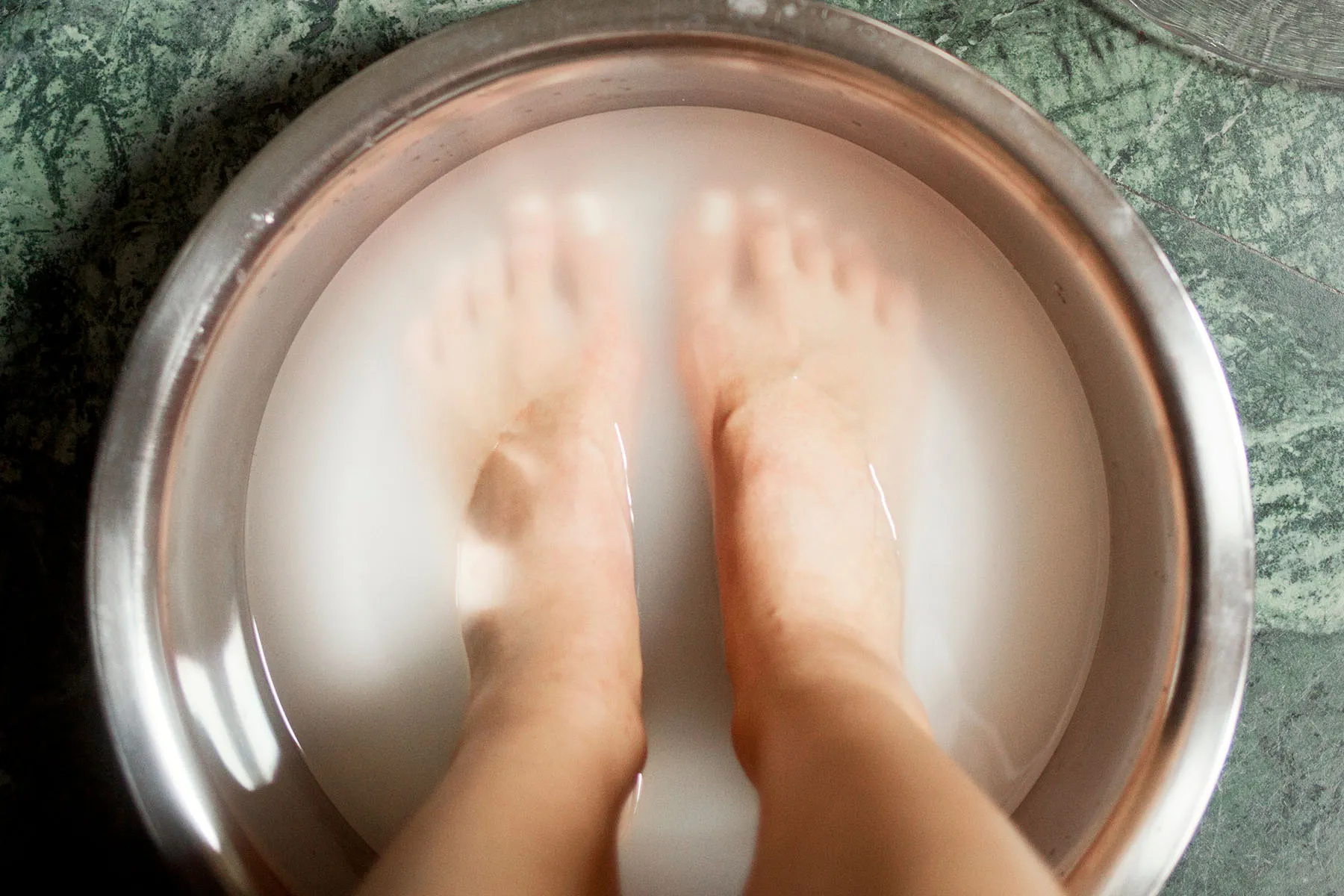
4. Soak Feet in Epsom Salt Water
[Source: WebMD]
Epsom salt contains magnesium sulphate, which helps draw out inflammation and reduce joint swelling when absorbed through the skin.
Add two tablespoons to a tub of warm water and soak the affected area for 20 minutes, three to four times a week.
It does not lower uric acid in the blood directly but makes the day-to-day joint pain significantly more manageable. (Source: Arthritis Foundation)
5. Turmeric and Ginger Tea
:max_bytes(150000):strip_icc()/AR-242148-Ginger-Turmeric-Herbal-Tea-4x3-827f4b208340471eae703606d123806a.jpg)
Both turmeric and ginger are powerful anti-inflammatory foods that help reduce joint swelling and pain caused by uric acid crystal deposits.
Curcumin in turmeric directly inhibits the inflammatory pathways triggered by uric acid.
A warm drink of turmeric and ginger in water or milk, taken daily, is one of the most culturally rooted home remedies to control uric acid in the Indian context.
6. Celery Seeds Water

[Source: Healthline]
Celery seeds are a traditional remedy for gout that have gained growing clinical interest.
They contain compounds called phthalides that improve kidney filtration and help the body excrete uric acid more effectively.
Boiling a teaspoon of celery seeds in water and drinking it as a tea once daily is a straightforward way to use this remedy. (Source: Journal of Ethnopharmacology)
7. Reduce High-Purine Foods

[Source: Healthkart]
No home remedy works well if the diet continues to overload the body with purines.
Cutting back on red meat, organ meats, shellfish, and alcohol is one of the most impactful home remedies to control uric acid levels long-term.
Replacing these with low-purine alternatives like eggs, dairy, most vegetables, and whole grains brings visible results within a few weeks.
8. Dandelion Root Tea

[Source: Cleveland Clinic Health Essentials]
Dandelion root has traditionally been used as a kidney tonic and natural diuretic.
It helps the kidneys process and excrete excess uric acid more efficiently without the side effects of pharmaceutical diuretics.
One to two cups of dandelion root tea daily is a gentle, sustainable addition to a uric acid management routine.
9. Nettle Leaf Tea

[Source: Healthline]
Nettle leaf is a natural anti-inflammatory herb that also supports kidney function and uric acid clearance.
It has been used in Ayurvedic and European herbal medicine for joint pain and gout for centuries.
Drinking nettle leaf tea once or twice daily is a simple, low-effort home remedy to control uric acid and reduce associated joint inflammation. (Source: PubMed)
What Foods Should Be Avoided for High Uric Acid?
Certain foods directly spike uric acid levels and should be limited or avoided entirely. Getting this right makes every other home remedy more effective.
Foods to limit or avoid:
-
Red meat, especially lamb and pork
-
Organ meats like liver, kidney, and brain
-
Shellfish and certain fish like sardines, mackerel, and anchovies
-
Beer and spirits
-
Sugary drinks and packaged fruit juices high in fructose
-
High purine dals like masoor, rajma, and chana in excess
-
Refined carbohydrates and fried snacks
Replacing these with alkaline, low-purine foods like cucumbers, bottle gourd, coconut water, buttermilk, and fresh fruits makes a significant difference in managing uric acid naturally.
What Tests Should You Get to Check Uric Acid Levels?
A simple blood test is all it takes to know where uric acid levels stand.
Most doctors recommend getting tested if joint pain, swelling, or kidney stones are recurring without a clear explanation.

The key tests to ask for:
-
Serum Uric Acid Test: The primary blood test that measures uric acid levels in the bloodstream. Results above 7.2 mg/dL in men and 6.0 mg/dL in women are considered elevated. (Source: Mayo Clinic)
-
24-Hour Urine Uric Acid Test: Measures how much uric acid the kidneys are excreting over a full day. Helps identify whether the problem is overproduction or underexcretion.
-
Kidney Function Test (KFT): Since the kidneys are responsible for clearing uric acid, checking creatinine and eGFR alongside uric acid gives a more complete picture of what is happening.
-
Complete Blood Count (CBC): Often done alongside uric acid tests to rule out other causes of joint inflammation or fatigue.
-
Joint Fluid Test: If a gout attack is suspected, a doctor may draw fluid from the affected joint to look for uric acid crystals directly.
For most people, the serum uric acid test alone is enough to start with.
It is inexpensive, widely available at any diagnostic lab in India, and gives a clear answer within a day.
When Should Someone See a Doctor?
Most cases of mildly elevated uric acid respond well to home remedies and dietary changes.
But certain signs mean it is time to consult a doctor rather than self-manage:
-
Uric acid levels consistently above 9 mg/dL
-
Recurring gout attacks more than twice a year
-
Visible joint deformity or damage
-
Kidney stones forming repeatedly
-
Swelling and pain that does not improve with home remedies within two weeks
-
Signs of kidney problems like reduced urination or swelling in the legs
Early medical intervention prevents long-term joint and kidney damage.
How Does Healeo Uric Acid Cleanse Drops Help With High Uric Acid?
Home remedies to control uric acid work well for most people when applied consistently.
But for someone dealing with chronic inflammation, repeated flare-ups, or a body that simply needs more targeted support, natural supplementation can fill the gap.

Healeo Uric Acid Cleanse Drops is built around ingredients that directly support uric acid management.
Cherry Extract and Celery Seed Extract, two of the most researched natural compounds for reducing uric acid, are both present in meaningful amounts.
Dandelion Root and Nettle Leaf support kidney filtration and uric acid excretion.
Turmeric and Ginger address the joint inflammation that high uric acid causes, completing a formula built entirely around uric acid clearance and the pain that comes with it.
Conclusion
Managing uric acid does not require complicated protocols or expensive interventions.
Home remedies to control uric acid, when applied consistently, address both the cause and the symptoms at the same time.
Staying hydrated, eating a low purine diet, using anti-inflammatory herbs like turmeric and ginger, and supporting kidney function with remedies like celery seed and dandelion root all work together to keep uric acid levels in a healthy range.
Home remedies to control uric acid are not a quick fix.
They are a sustainable approach to metabolic health that the body responds to well over time.
Start with two or three changes, stay consistent, and the results will follow.
FAQs:
1. What is the fastest home remedy to control uric acid?
Drinking lemon water first thing in the morning and staying well hydrated through the day are the quickest ways to start lowering uric acid naturally.
Results become noticeable within one to two weeks of consistency.
2. Can drinking water alone reduce uric acid levels?
Yes. Adequate hydration helps the kidneys flush excess uric acid out of the blood more efficiently.
Aim for at least 8 to 10 glasses of warm water daily for best results. (Source: National Kidney Foundation)
3. Is lemon good or bad for uric acid?
Lemon is good for uric acid. It creates an alkaline environment in the body that neutralises uric acid and supports its excretion through urine.
Warm lemon water on an empty stomach works best. (Source: PubMed)
4. Which Indian foods should be avoided for high uric acid?
Organ meats, red meat, shellfish, rajma, masoor dal in large quantities, alcohol, and sugary packaged drinks are the main triggers.
Replacing these with cucumber, bottle gourd, buttermilk, and coconut water helps significantly.
5. Can turmeric help reduce uric acid?
Yes. Curcumin in turmeric reduces the joint inflammation caused by uric acid crystal deposits.
It does not directly lower uric acid levels but significantly reduces the pain and swelling associated with high levels.
6. How long does it take for home remedies to lower uric acid?
Most people notice improvement in joint discomfort within two to three weeks of consistent dietary changes and home remedies.
A measurable drop in blood uric acid levels typically takes four to six weeks.
7. Is apple cider vinegar effective for uric acid?
Apple cider vinegar has mild alkalising properties that support uric acid excretion.
One teaspoon in warm water daily is the recommended amount.
Exceeding this can cause digestive discomfort and affect tooth enamel.
8. Are cherries good for gout and uric acid?
Yes. Cherries contain anthocyanins that actively reduce uric acid levels and lower joint inflammation.
Regular consumption of fresh cherries or cherry extract has been shown to reduce gout attack frequency. (Source: Arthritis and Rheumatology)
9. Can high uric acid cause kidney stones?
Yes. When uric acid levels remain elevated for a prolonged period, uric acid crystals can accumulate in the kidneys and form kidney stones.
Staying hydrated and managing uric acid through diet significantly reduces this risk.
10. What is a normal uric acid level?
Normal uric acid levels are 3.5 to 7.2 mg/dL for men and 2.6 to 6.0 mg/dL for women.
Levels consistently above these ranges require dietary changes, home remedies, or medical treatment depending on severity. (Source: Mayo Clinic)