



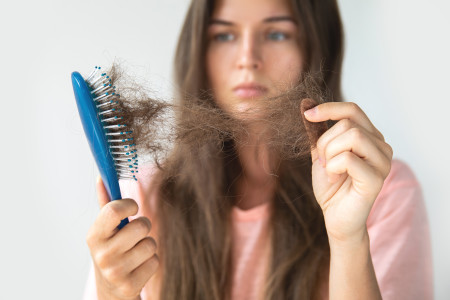
Foods for hair fall can play an important role in supporting healthy hair growth and reducing nutrition-related shedding.
Every hair you find on your pillow is trying to tell you something. While it is easy to blame genetics, your diet often has a much bigger role in your hair health than most people realise.
Your hair follicles are some of the hardest-working cells in your body. To grow strong, healthy hair, they need a constant supply of protein, iron, zinc, vitamins, and healthy fats.
The catch is that hair is not a priority when your body is low on nutrients. Your body naturally sends those nutrients to essential organs first, leaving your hair with whatever is left.
Over time, that shows up as increased shedding, slower regrowth, thinner strands, and hair that feels weaker than it used to.
Understanding which foods for hair fall actually help is more useful than any quick fix or expensive treatment.
The good news is that nutrition-related hair loss can often be improved.
In this guide you will find the foods that support healthier, stronger hair, the everyday foods that may be making shedding worse, and a practical three-day eating plan to put it all together.
At a Glance
|
Question |
Quick Answer |
|
Can food really reduce hair fall? |
Yes. A diet built around the right foods for hair fall supports healthier regrowth when shedding is linked to nutritional deficiencies. |
|
Which nutrient is most important for hair? |
Protein and iron are the most important, followed by zinc, biotin, vitamin D, and vitamin C. |
|
What foods should I eat first? |
Include eggs, spinach, pumpkin seeds, lentils, nuts, and fatty fish regularly in your meals. |
|
How long does it take to see results? |
Hair grows slowly, so it usually takes 8 to 12 weeks of consistent healthy eating to notice reduced shedding. |
|
Does stress cause hair fall? |
Yes, chronic stress pushes follicles into the shedding phase and worsens nutritional deficiencies. |
The Real Reason Hair Falls Before Its Time
Hair fall does not happen overnight. The hair you lose today often reflects your diet, stress levels, and lifestyle habits from two to three months ago because hair grows in cycles.
Rapid weight loss, crash diets, or severely restricting calories makes this worse by reducing your intake of essential nutrients and placing additional stress on the body.
Poor eating habits, chronic stress, and lack of sleep can further disrupt the hair growth cycle.
Addressing all three together produces faster and more lasting results than changing diet alone.
Essential Nutrients for Strong and Healthy Hair
Your hair follicles need the right nutrients every day to grow strong strands and complete a healthy growth cycle.
If your body does not get enough of these, hair growth slows down and shedding increases.
Here is what your hair actually needs and why each one matters, and which foods for hair fall deliver them most effectively.
Protein: Builds the StrandHair is made primarily of keratin, and getting enough protein each day is essential for maintaining strong strands.
Low protein intake means weaker keratin production. Hair turns dry, brittle, and prone to snapping.
Iron: Carries the OxygenIron ferries oxygen to your hair follicles, helping support healthy hair growth.
Low iron levels are one of the most common nutritional causes of hair loss, particularly in women with heavy menstrual periods. Source: Journal of Korean Medical Science
Zinc: Keeps Follicles RepairedZinc supports oil glands and tissue repair around each follicle.
Research consistently finds lower zinc levels in people experiencing hair loss compared to those who are not. Source: Annals of Dermatology
Biotin: Fuels Keratin ProductionBiotin works directly inside the keratin-building process.
True deficiency is rare, but when it happens, hair thins fast. Brittle nails often appear alongside it.
If you are not deficient, supplementing biotin offers limited benefit beyond what food already provides.
Vitamin D: Wakes Up the FollicleVitamin D receptors sit inside your hair follicles and help trigger the active growth phase of each hair cycle.
Deficiency is closely tied to sudden, diffuse shedding. Source: Skin Pharmacology and Physiology
Vitamin C: Unlocks Iron From FoodVitamin C supports collagen production and boosts iron absorption from plant foods.
Pairing spinach with a squeeze of lemon is one of the simplest and most effective habits you can build around foods for hair fall.
Omega-3: Calms an Irritated ScalpOmega-3 fats reduce scalp dryness and inflammation.
A calmer scalp means fewer triggers for unnecessary shedding. Source: Journal of Cosmetic Dermatology
How DHT Affects Hair Fall?
Not all hair loss is caused by nutrient deficiencies. In many men and women, DHT (dihydrotestosterone) plays a major role.
DHT is a hormone derived from testosterone that gradually shrinks hair follicles in people who are genetically sensitive to it.
As the follicles become smaller, hair grows back finer and shorter until growth may stop altogether, leading to androgenetic alopecia or pattern hair loss. Source: International Journal of Trichology
While a healthy diet cannot prevent this genetic process, nutrients like zinc and antioxidant-rich foods support overall follicle health and may slow the progression.
If you notice a receding hairline, thinning at the crown, or a widening part, consult a dermatologist for an accurate diagnosis and treatment plan.
12 Best Foods for Hair Fall
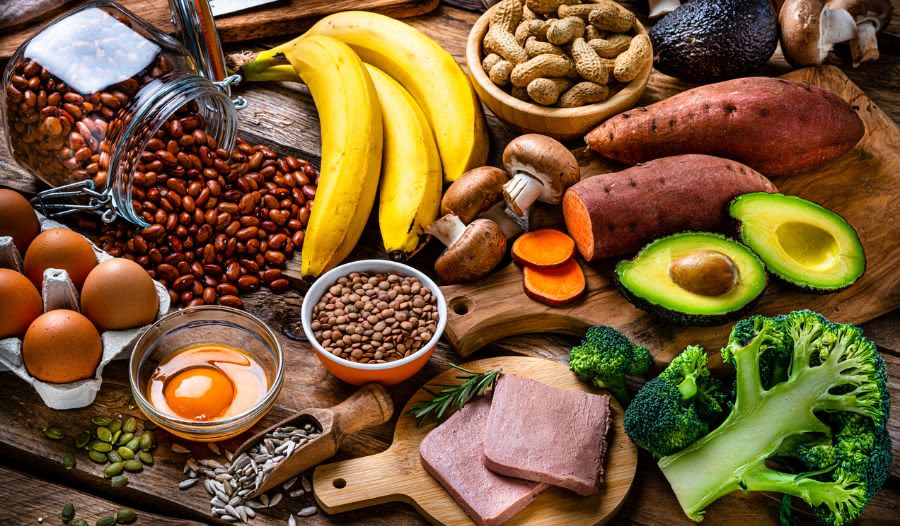
No single food can stop hair fall on its own.
But consistently eating a variety of nutrient-rich foods gives your follicles the building blocks they need for healthy growth, stronger strands, and less breakage over time.
Here are the 12 best foods for hair fall that deliver the most nutritional value for your scalp and follicles.
-
Eggs: A complete protein source with all the amino acids needed for keratin production, plus a natural source of biotin.
Two eggs a day, boiled or in a bhurji, cover a meaningful share of your daily protein and biotin needs.
-
Spinach: Provides non-heme iron, folate, and vitamin A.
A cup of cooked palak with a squeeze of lemon significantly improves iron absorption, since vitamin C helps convert non-heme iron into a form your body can use.
-
Lentils: An everyday staple that delivers plant protein, iron, and zinc in one bowl.
Pairing dal with rice or roti and a side of vegetables rounds out the amino acid profile for better absorption.
-
Fatty Fish: Salmon and sardines supply omega-3s, complete protein, and vitamin D together.
Two servings a week is enough to support scalp circulation and reduce inflammation-related shedding.
-
Pumpkin Seeds: A small handful of about one tablespoon gives a concentrated dose of zinc, which supports oil gland function and tissue repair around each follicle.
Roast and snack on them through the week for easy, consistent intake.
-
Berries: Strawberries, blueberries, and amla are rich in vitamin C, which protects follicles from oxidative stress and supports collagen production.
A cup as a mid-morning snack works well alongside iron-rich meals to boost absorption.
-
Sweet Potatoes: Beta-carotene converts to vitamin A in the body, which helps regulate healthy scalp oil production.
One medium sweet potato a few times a week, roasted or boiled, is an easy way to build this in.
-
Amla: Contains more vitamin C than most citrus fruits and is a longstanding Ayurvedic staple for hair health.
A small amla or a tablespoon of amla juice daily, especially alongside iron-rich meals, supports both iron absorption and antioxidant protection.
For a deeper look at how amla supports hair specifically, read amla juice for hair fall.
-
Nuts: Almonds and walnuts bring zinc, B vitamins, and healthy fats together.
A small handful of six to eight almonds or two to three walnuts daily is enough. More is not necessarily better given their calorie density.
-
Curd: A simple everyday source of protein and biotin that also supports gut health, which indirectly affects nutrient absorption.
A 150 to 200g bowl at lunch or dinner is an easy habit to sustain long term.
-
Sweet Peppers: Gram for gram, they carry more vitamin C than oranges, making them a strong ally for iron absorption when paired with dal or spinach.
Adding them raw to salads preserves more of the vitamin C than cooking does.
-
Sesame Seeds: A kitchen staple in Indian cooking, sesame seeds are rich in zinc, copper, and healthy fats that support follicle strength.
A teaspoon sprinkled over salads, chutneys, or stirred into til laddoos makes it an easy daily addition.
Foods Quietly Working Against Your Hair
Knowing which foods for hair fall help is only half the picture.
Some foods increase inflammation, reduce nutrient absorption, or create hormonal conditions that make shedding worse over time.
Making a few simple swaps is often more effective than adding supplements.
|
Food to Limit |
Why It May Affect Hair |
Better Choice |
|
Sugary foods and soft drinks |
May increase insulin levels, affecting hormones linked to hair thinning |
Fresh fruit, coconut water |
|
Refined carbs like maida, white bread, pastries |
Low in nutrients and cause blood sugar spikes |
Whole wheat, brown rice, oats |
|
Processed snacks like chips and packaged foods |
High in unhealthy fats and low in essential nutrients |
Home-cooked meals, nuts, roasted seeds |
|
Excess alcohol |
Reduces nutrient absorption and increases dehydration |
Coconut water, herbal tea, fresh lime water |
|
Crash diets |
Lead to nutrient deficiencies and trigger increased shedding. |
Gradual, balanced calorie reduction with adequate protein |
|
Excessive chai or coffee, more than three cups daily |
Tannins reduce iron absorption from meals. |
Limit to two cups daily; avoid drinking immediately after iron-rich meals. |
3-Day Eating Plan Built Around Foods for Hair Fall
This three-day rotation is built around the most effective foods for hair fall and covers the key nutrients your follicles need.
Consistency across variety matters more than any single perfect meal.

Note: These are general portion guides for a healthy adult. Adjust based on your individual calorie and protein needs, especially if you are active or have specific health conditions.
If you have iron deficiency anaemia, thyroid dysfunction, or PCOS, consult a healthcare professional before making significant dietary changes.
How to Support Your Hair Naturally?
Healthy hair depends on more than just the foods on your plate.
A few consistent daily habits create the right environment for stronger hair alongside a good diet.
-
Prioritise Scalp Health: A healthy scalp creates the right environment for strong hair growth.
Wash your hair regularly to remove excess oil and buildup, and gently massage your scalp for a few minutes to support circulation.
-
Manage Stress: Long-term stress pushes more hair follicles into the shedding phase.
Quality sleep, regular movement, and relaxation practices like deep breathing or meditation all help reduce this effect over time.
-
Avoid Rapid Weight Loss: Losing weight too quickly deprives your hair of essential nutrients and accelerates shedding.
Gradual, balanced weight loss while maintaining adequate protein, iron, zinc, and healthy fat intake is the safer approach.
-
Stay Consistent: Healthy hair does not grow overnight. Follow a balanced diet and maintain healthy habits for at least 8 to 12 weeks before judging results.
Hair growth cycles are slow, and improvements happening beneath the surface take time to become visible.

How Hair Health Coffee Fits Into Your Routine?
Consistency matters more than perfection, and on days when a full nutrient-rich meal is not realistic, targeted nutritional support can help fill the gap.
Healeo Hair Health Coffee combines pumpkin seed extract and stinging nettle, ingredients that support the DHT pathway associated with hair thinning.
Grape seed extract provides antioxidants that protect follicles from oxidative stress, while vitamin C supports collagen production and iron absorption.
Biotin contributes to keratin formation, and hyaluronic acid helps maintain a hydrated, healthy scalp.
In an internal pilot study, participants using Healeo Hair Health Coffee for three months reported noticeable improvements in hair growth, reduced breakage, and better scalp circulation.
One cup daily in the morning, alongside a balanced diet, is the most effective way to use it. It works alongside your eating habits, not instead of them.
Conclusion
Healthy hair is not built by one food, one supplement, or one overnight fix.
Eating the right foods for hair fall consistently over 8 to 12 weeks creates a foundation that no supplement can replicate on its own.
Eating foods rich in protein, iron, zinc, vitamins, and healthy fats builds that foundation from the inside.
Limiting processed foods, refined carbs, crash diets, and excessive chai removes the obstacles working against it from the other direction.
If you are looking for added daily support, Healeo Hair Health Coffee can complement your routine without replacing wholesome meals.
Stay consistent for 8 to 12 weeks. If hair fall is sudden, patchy, or persistent despite dietary changes, consult a healthcare professional to rule out an underlying cause.
FAQs
1. What is the single best food for hair fall?
Choosing the right foods for hair fall starts with eggs, spinach, and pumpkin seeds together.
Eggs provide complete protein and biotin, spinach delivers iron and folate, and pumpkin seeds add zinc.
No single food does it all, but these three together cover most of what a shedding scalp actually needs.
2. Can iron-deficient hair fall be reversed through food?
Often yes, especially in mild cases. Iron-rich foods paired consistently with vitamin C usually correct ferritin levels within a few months.
Severe deficiency may need supplements under medical guidance. A blood test helps confirm exactly how significant the gap is before you start.
3. What is Healeo Hair Health Coffee, and how does it help?
It is a flavoured coffee blend built around hair-supportive ingredients like pumpkin seed extract, stinging nettle, and biotin.
It works alongside your regular diet, not instead of it. One daily cup supports scalp health, follicle strength, and hair affected by DHT-related thinning, fitting easily into a morning routine without adding a complicated step.
4. Can thyroid problems cause hair fall?
Yes, both an underactive and overactive thyroid can disrupt the hair growth cycle and cause diffuse shedding.
If your hair fall is sudden or comes with fatigue, weight changes, or irregular periods, a thyroid function test is worth discussing with your doctor to rule out an underlying cause.
5. Is hair fall during pregnancy or postpartum normal?
Yes. Hormonal shifts during and after pregnancy often push more follicles into the shedding phase at once, a pattern called postpartum telogen effluvium.
It is usually temporary and improves within 6 to 12 months as hormone levels stabilise, though a nutrient-rich diet supports faster recovery.
6. Does hard water cause hair fall?
Hard water does not directly cause hair loss, but its mineral buildup leaves hair feeling dry, rough, and more prone to breakage, which often looks like increased shedding.
Using a clarifying shampoo occasionally and rinsing with filtered water can reduce this effect over time.
7. How much protein do I need daily to reduce hair fall?
Most adults need roughly 0.8 to 1 gram of protein per kilogram of body weight. Spreading this across meals works better than one large protein-heavy dinner.
Eggs, lentils, curd, and fish are the easiest everyday ways to consistently reach that target.
8. Does sugar worsen hair fall?
Yes, largely through its effect on insulin.
Frequent intake of sugary foods and drinks may contribute to blood sugar and insulin spikes, which can influence hormones associated with hair thinning.
Cutting back on sugary drinks and refined carbs is one of the simplest high-impact changes you can make.
9. Can men use Hair Health Coffee too?
Yes. The formula targets DHT-linked thinning and scalp circulation, concerns common to both men and women.
Whether your hair fall comes from stress, diet gaps, or early pattern thinning, no adjustment is needed for either routine or lifestyle.
10. How long should I follow a hair fall diet before judging results?
Give it at least 8 to 12 weeks before drawing conclusions.
Hair growth cycles are slow, and today's shedding often reflects choices made months ago.
Most people who abandon dietary changes do so right before they would have started seeing results.
11. Can biotin supplements help if I am not deficient?
If you are not deficient, extra biotin is unlikely to add meaningful benefit beyond what a balanced diet already provides.
True biotin deficiency is rare in healthy adults, and food sources like eggs, curd, and nuts are usually enough to meet daily needs naturally.
12. When should I see a doctor instead of just changing my diet?
See a doctor if hair fall is sudden, patchy, or paired with fatigue, unexplained weight changes, or irregular periods.
A blood test checking ferritin, vitamin D, and thyroid function will pinpoint the actual gap and make any dietary or supplemental approach far more targeted and effective.