



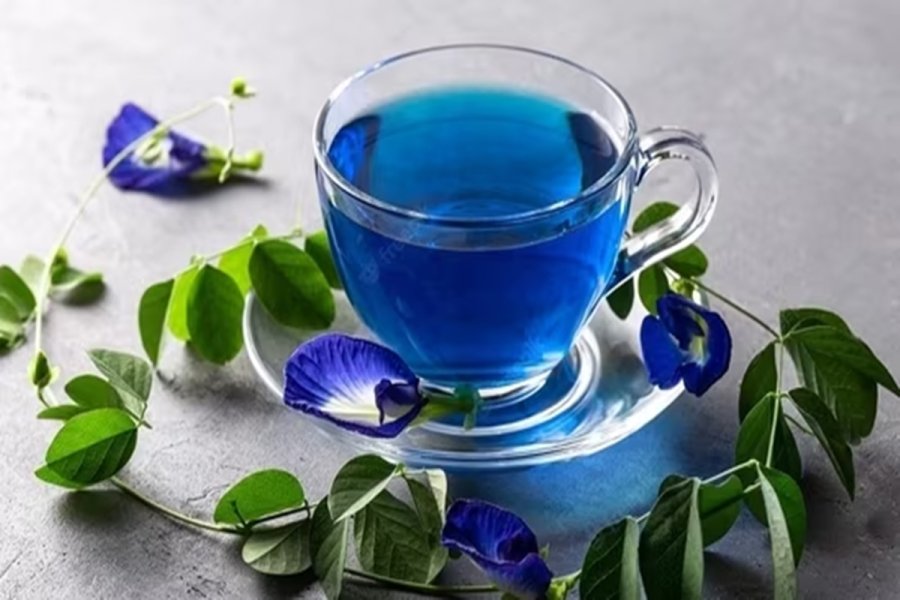
Blue tea, made from dried butterfly pea flowers (scientifically called Clitoria ternatea), has been used in Ayurvedic medicine and across Southeast Asia for centuries.
In India it is known as Aparajitha and has long been consumed as a medicinal herbal drink for everything from stress to weight management.
Now it is trending again, and this time there is emerging research to back up some of the traditional claims. (Source)
It turns blue when you brew it and turns purple when you add lemon. That colour trick is what got most people curious about blue tea.
But the reason people keep drinking it has nothing to do with the colour.
This guide covers what blue tea is, what it genuinely does, how to make it properly, and what to keep in mind before making it part of a daily routine.
At a Glance
|
Factor |
Detail |
|
Made from |
Dried butterfly pea flowers, Clitoria ternatea |
|
Caffeine content |
Zero, completely caffeine-free |
|
Calories |
Zero per cup, unsweetened |
|
Active compounds |
Anthocyanins, ternatins, kaempferol, p-coumaric acid |
|
Primary benefits |
Antioxidant protection, blood sugar support, cognitive function, skin health |
|
Best time to drink |
After meals or as an evening wind-down drink |
|
Colour change |
Blue in neutral pH, purple or pink with lemon or lime |
What Is Blue Tea?
Blue tea is brewed from the flowers of the butterfly pea plant.
The vivid blue colour comes from a high concentration of anthocyanins, the same antioxidant pigments found in blueberries and other blue and purple fruits and vegetables. (source)
What makes it genuinely interesting from a health perspective is not the colour but what those anthocyanins do inside the body.
These antioxidants help neutralise harmful free radicals, protecting cells from damage and supporting overall health, with potential benefits for skin, immunity, and longevity. (source)
As an herbal tea, butterfly pea flowers have long been used in Ayurvedic medicine as a memory enhancer, antistressor, antidepressant, and sedative agent.
The modern wellness world is now catching up with what traditional medicine knew for centuries. (source)
What Are the Benefits of Blue Tea?
Does blue tea actually have proven health benefits?
The honest answer is that research is promising but still emerging.
Most studies have been conducted on animals or in cell cultures. Large-scale human clinical trials are limited.
That said, the active compounds in blue tea have well-established biological mechanisms, and several benefits are supported by credible early evidence.
Rich in Antioxidants
Research has highlighted several potential properties associated with the butterfly pea plant, including antioxidant, anti-inflammatory, and antidiabetic effects observed in animal and in vitro studies. (source)
The primary antioxidants are anthocyanins and ternatins, the pigments responsible for the blue colour.
Some in vitro studies suggest that ternatins may be anti-inflammatory and inhibit the growth of cancer cells, though more human research is needed.
Beyond terpenoids, blue tea also contains p-coumaric acid, which research suggests may help protect against oxidative stress, inflammation, and bacteria, and delphinidin-3,5-glucoside, which may stimulate immune function.
Supports Blood Sugar Control
This is one of the most practically relevant benefits for Indian consumers, given the high prevalence of insulin resistance and Type 2 diabetes in the country.
Blue tea has the ability to control the absorption of glucose and may help prevent Type 2 diabetes and effectively fight the metabolic effects of elevated blood sugar.
The antidiabetic effect is attributed to the flavonoids in butterfly pea flowers, which appear to influence how the gut absorbs glucose after a meal.
Drinking blue tea after meals, rather than on an empty stomach, is the most practical way to use this benefit.
It gives the active compounds the right context to slow down post-meal glucose absorption before a blood sugar spike builds.
Supports Cognitive Function
Research indicates that extracts from butterfly pea flowers can increase acetylcholine levels in the brain, a neurotransmitter associated with memory and learning. (source)
Traditional use in Thailand and India has long associated the plant with enhanced memory and cognitive function.
Early preclinical studies suggest it may help support acetylcholine activity in the brain, a neurotransmitter closely associated with learning and memory.
While large-scale human trials are still limited, the early findings are promising. (source)
For students, professionals, and anyone dealing with mental fatigue, blue tea offers a caffeine-free option that supports alertness without the jitteriness or afternoon crash that comes with coffee or regular tea.
Know how stress affects brain health!
Anti-Inflammatory Effects
Chronic low-grade inflammation sits behind most of the lifestyle diseases common in urban India, from fatty liver to joint pain to cardiovascular disease.
Butterfly pea flower helps reduce inflammation naturally, making it beneficial for conditions like arthritis, bloating, or general discomfort. (source)
The anti-inflammatory action comes primarily from the anthocyanin compounds, which reduce inflammatory signalling pathways at the cellular level.
This is the same mechanism that makes blueberries and other anthocyanin-rich foods consistently linked to reduced disease risk in long-term population studies.
Supports Skin and Hair Health
According to a 2021 study, butterfly pea extract may increase skin hydration by 70% one hour after topical application.
A 2024 study found that applying a 20% Clitoria ternatea shampoo helped reduce dandruff severity with minimal side effects. (source)
When consumed as a tea, the antioxidant compounds work from the inside out, reducing lipid peroxidation (oxidative damage to cell membranes), which accelerates skin ageing and hair follicle damage.
Research also suggests that butterfly pea extract may help promote hair growth and prevent hair loss. (source)
Supports Heart Health
Animal studies suggest that butterfly pea flower extract may lower blood pressure through its vasorelaxation properties, meaning it helps widen blood vessels to enhance blood flow.
It also has antithrombotic effects, meaning it may prevent the formation of blood clots, a risk factor for stroke.
Calming and Stress-Reducing
Known for its calming effects, butterfly pea flower tea can help relieve anxiety and promote mental relaxation. It is a natural, caffeine-free way to unwind after a stressful day or before bedtime. (source)
Unlike chamomile, which many people find too mild, blue tea has a slightly earthy, woody flavour that feels substantial enough to replace evening chai without the sleep-disrupting caffeine that comes with it.

How to Make Blue Tea?
Making blue tea properly takes three minutes, and the results depend almost entirely on water temperature and steeping time.
Basic Blue Tea
- 1 teaspoon (approximately 4 grams) of dried butterfly pea flowers
- 1 cup (240ml) of hot water at 85 to 90 degrees Celsius
- Steep for 3 to 5 minutes
- Strain and drink as is
Do not use boiling water. Temperatures above 95 degrees can degrade the anthocyanin compounds and reduce the intensity of both colour and benefit.
Blue Tea with Lemon (Colour-Changing Version)
Brew as above, then squeeze in fresh lemon juice or add a lemon slice after straining.
Watch the tea shift from deep blue to violet or pink as the acid changes the pH.
This version also tastes better for most people, and the added Vitamin C from the lemon has its own health benefits.
Iced Blue Tea
Brew double strength, 2 teaspoons per cup, then let it cool to room temperature.
Pour over ice cubes. Add lemon or coconut water if desired. This version is particularly popular in South Indian summers and travels well in a bottle.
Does Blue Tea Help with Weight Loss?

Blue tea has gained considerable traction in the weight loss community.
It acts as a detoxifying agent, has antioxidant properties, and is a natural diuretic.
Its ability to regulate blood glucose levels also directly supports weight management by reducing the blood sugar spikes that trigger fat storage. (source)
The most honest answer is that blue tea supports weight loss indirectly rather than directly.
It does not burn fat on its own. What it does is reduce post-meal blood sugar spikes, support gut health, reduce inflammation, and provide a zero-calorie replacement for sweetened chai and packaged drinks that are actively contributing to weight gain.
Replacing two cups of sweetened chai with two cups of blue tea daily eliminates approximately 60 to 100 calories and a meaningful amount of added sugar, which adds up to real metabolic change over weeks and months.
Blue Tea Side Effects: What to Watch For?
Blue tea is well tolerated by most people. There are some anecdotal reports of side effects like nausea, abdominal pain, and diarrhoea following consumption of butterfly pea flower, but there is no strong research to support these effects at normal doses. (source)
The main precautions worth noting:
Pregnant and breastfeeding women should avoid blue tea until more human safety data is available.
People on blood thinners or antidepressants should consult a doctor before consuming them regularly, as some compounds in butterfly pea flower may interact with these medications.
Overconsumption of any herbal tea can cause digestive discomfort. Two to three cups per day is a reasonable daily amount for most healthy adults.
How to Build a Complete Herbal Wellness Routine With Blue Tea?
Blue tea works best as part of a consistent herbal routine rather than as a standalone drink.
Its benefits, blood sugar support after meals, antioxidant protection, and evening calm are cumulative and build over weeks of daily use.
The gap blue tea does not address is the morning window. Blue tea is caffeine-free and calming, which makes it ideal for afternoons and evenings.
But the morning is when the body needs a different kind of support: something that activates the liver's detoxification pathways after an overnight fast, supports bile production, and reduces the inflammatory load before the first meal of the day.

Healeo Liver Detox Coffee is built for exactly that morning role.
While blue tea is your post-meal and evening drink, Healeo Liver Detox Coffee works best 20 minutes before breakfast, when the liver is most metabolically active and most responsive to hepatoprotective compounds.
It contains Milk Thistle (Silymarin), which stabilises liver cell membranes and has shown measurable reductions in liver enzyme levels across multiple clinical studies.
It also contains Dandelion Root, which stimulates bile production and activates the liver's natural detox enzyme pathways.
Chicory Root, a natural prebiotic that feeds the gut bacteria directly connected to liver and metabolic health.
Both drinks are herbal. Both are free from artificial additives. Both work at different times of day for different physiological purposes.
The routine looks like this in practice:
|
Time |
Drink |
Purpose |
|
Morning, 20 min before breakfast |
Healeo Liver Detox Coffee |
Activates liver detox pathways, supports bile production |
|
After lunch |
Blue tea, plain or with lemon |
Slows post-meal glucose absorption, antioxidant support |
|
Evening |
Blue tea, plain |
Calming wind-down, replaces sweetened chai, zero caffeine |
No overlap. No redundancy. One handles the morning metabolic window. The other handles the rest of the day.
Conclusion
Blue tea earns its place in a daily wellness routine not because of the colour trick, but because of what the butterfly pea flower genuinely delivers: antioxidant protection, blood sugar support after meals, cognitive support without caffeine, and a calming effect that makes it a real alternative to evening chai.
The key to getting results from blue tea is consistency and correct use.
After meals rather than on an empty stomach. Without added sugar. Two to three cups a day. Brewed at the right temperature to preserve the active anthocyanin compounds.
It is not a weight loss miracle. Nothing is.
But as part of a clean daily routine, blue tea is one of the easiest upgrades most people can make: zero caffeine, zero calories, and a colour that makes it genuinely enjoyable to drink every day.
FAQs
1. What is blue tea made from?
Blue tea is made from dried flowers of the butterfly pea plant, scientifically called Clitoria ternatea.
The flowers are steeped in hot water to produce a deep blue herbal infusion with no caffeine and no calories.
2. Does blue tea have caffeine?
No. Blue tea is completely caffeine-free.
This makes it a good option for people who are caffeine-sensitive, want an evening drink that does not affect sleep, or are already consuming coffee and do not want additional stimulant load.
3. When is the best time to drink blue tea?
After meals is the most beneficial time, as it helps slow post-meal glucose absorption and reduces blood sugar spikes.
It also works well as an evening replacement for sweetened chai, supporting relaxation without caffeine before sleep.
4. Does blue tea help with weight loss?
Directly, no. Indirectly, yes. Blue tea supports weight loss by regulating blood sugar, reducing inflammation, acting as a mild natural diuretic, and replacing high-sugar drinks in the daily routine.
It is a support tool, not a fat-burning supplement on its own.
5. Why does blue tea change colour?
The blue colour comes from anthocyanins, which are pH-sensitive pigments.
When acid is added, like lemon juice or lime, the pH drops and the anthocyanins shift from blue to violet or pink.
The same compound that causes the colour change is also responsible for most of the health benefits.
6. How many cups of blue tea can I drink per day?
Two to three cups per day is a reasonable amount for most healthy adults.
Drinking more than this is unlikely to cause harm but offers no additional benefit and may cause mild digestive discomfort in sensitive individuals.
7. Can diabetics drink blue tea?
Yes. Blue tea's effect on post-meal glucose absorption makes it potentially beneficial for people managing blood sugar.
However, anyone on diabetes medication should monitor their levels when introducing blue tea regularly, as it may enhance the effect of blood sugar-lowering treatments.
8. Is blue tea safe during pregnancy?
9. Can blue tea be consumed cold?
Yes. Iced blue tea brewed double strength and poured over ice is one of the most popular ways to consume it, particularly in warm climates.
Adding lemon makes it even more refreshing and triggers the colour-changing effect visually.
10. Does blue tea interact with medications?
Some compounds in butterfly pea flower may interact with blood thinners and antidepressants.
Anyone on prescription medication should check with their doctor before making blue tea a regular part of their routine.
11. Where can I buy blue tea in India?
Dried butterfly pea flowers are available online through Amazon India, Flipkart, and several wellness brands, including Blue Tea India.
They are also available in some organic and health food stores in major cities. Look for sun-dried, single-origin flowers without additives or artificial colour.
12. Is blue tea the same as butterfly pea flower tea?
Yes. Blue tea and butterfly pea flower tea refer to the same drink.
The name 'blue tea' comes from the colour of the brewed infusion. Other names include aparajitha tea, blue pea tea, and Clitoria ternatea tea, all referring to the same plant and the same drink.