



Hair fall is one of those problems that sneaks up on you. One day there are a few extra strands on the pillow.
The next, you are staring at a comb full of hair and wondering where things went wrong.
If you have been searching for a natural solution, you have probably already come across amla.
And specifically, amla juice for hair fall has become one of the most talked-about remedies in Indian wellness circles.
But does it actually work, or is it just another piece of folk wisdom with no science behind it?
The short answer: it works. But the how and why matter just as much as the remedy itself.
In this blog, we will break down exactly how amla juice helps with hair fall, how much to drink, when to expect results, and some easy amla-based recipes you can start using right away.
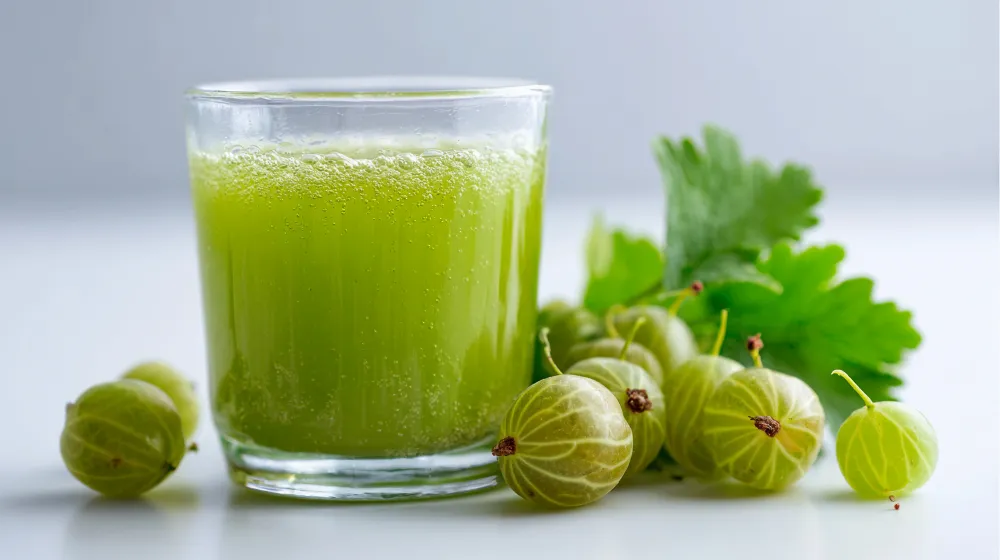
[Source: Apollo 247]
At a Glance:
|
What You Want to Know |
Quick Answer |
|
Does amla juice help hair fall? |
Yes, through collagen support, DHT inhibition, and iron absorption |
|
How much to drink daily? |
20 to 30 ml diluted in water, on an empty stomach |
|
When to expect results? |
6 to 8 weeks for reduced shedding, 3 to 4 months for new growth |
|
Best time to drink it? |
Early morning, before food or tea |
|
Can it be applied topically too? |
Yes, both internal and topical use are beneficial |
|
Safe for daily use? |
Yes, for most healthy adults |
What Makes Amla So Powerful for Hair Health?
Amla, or Indian gooseberry, is not just another fruit.
It is one of the most nutrient-dense foods on the planet, and its connection to hair health is backed by both Ayurvedic tradition and modern research.
A single serving of amla contains more Vitamin C than many citrus fruits combined.
Vitamin C is essential for collagen synthesis, and collagen is a structural protein that literally holds your hair follicles in place.
Without enough of it, follicles weaken and hair breaks before it even gets a chance to grow. (Source: NCBI: Vitamin C and Collagen Biosynthesis)
Beyond Vitamin C, amla is rich in tannins, flavonoids, and antioxidants that protect the scalp from oxidative stress, which is one of the lesser-known but very real drivers of premature hair thinning and weak hair roots.
How Does Amla Actually Reduce Hair Thinning and Shedding?
Amla juice for hair fall works through several mechanisms at once, which is why it tends to outperform single-nutrient supplements.

Here is what it does at the root level:
-
Strengthens the hair shaft: The high Vitamin C content boosts collagen, which makes each strand structurally stronger and less prone to breaking.
-
Nourishes the scalp: Amla has natural anti-inflammatory properties that reduce scalp irritation, a common cause of excessive shedding.
-
Blocks DHT naturally: Research suggests amla may help inhibit 5-alpha reductase, the enzyme responsible for converting testosterone into DHT, the hormone linked to androgenetic hair loss. (Source: Journal of Ethnopharmacology)
-
Improves iron absorption: Amla juice significantly boosts non-heme iron absorption from food, which is critical because iron deficiency is one of the top causes of hair fall in Indian women. (Source: NCBI: Iron Deficiency and Hair Loss)
-
Protects follicles from free radical damage: Antioxidants in amla shield follicle cells from environmental stress, pollution, and UV exposure. (Source: NCBI: Oxidative Stress and Hair Loss)
Is Drinking Amla Juice Better Than Applying It?
[Source: OMJOOS]
Both approaches work, but they target different things.
Applying amla juice or amla oil to the scalp directly nourishes the follicles from the outside and can reduce dandruff, scalp dryness, and flaking.
It works faster for surface-level issues.
Drinking amla juice for hair fall works from the inside. It supports iron absorption, collagen production, hormonal balance, and oxidative defense at the cellular level.
This is deeper, slower, and more sustainable.
A quick note on amla oil versus amla juice: amla oil is typically amla extract infused in a carrier oil like coconut or sesame.
It is excellent for scalp massage, improving blood circulation, and coating the hair shaft to reduce breakage.
Amla juice applied topically, on the other hand, delivers more direct antioxidant and astringent action to the scalp.
Both are valid, but oil is generally more practical for topical use given its staying power.
For best results, combining both methods gives you inside-out coverage.
But if you had to choose one, drinking it consistently over time tends to produce more lasting improvements in hair density and scalp health.
How to Make Amla Juice for Hair Fall at Home?
Fresh amla juice takes less than five minutes to prepare and is far more potent than most packaged options. Here is a simple four-step process:
-
Wash and deseed: Rinse 4 to 5 fresh amla fruits thoroughly and remove the seeds
-
Blend: Add the amla pieces to a blender with 2 to 3 tablespoons of water and blend until smooth
-
Strain: Pass the pulp through a fine mesh strainer or muslin cloth to extract the juice
-
Dilute and drink: Mix 20 to 30 ml of the extracted juice in a glass of room temperature water and consume immediately
Freshly made amla juice retains the highest concentration of Vitamin C and bioactive compounds.
Avoid storing it for more than 24 hours as oxidation reduces its potency quickly.
Fresh Amla Juice vs Packaged Amla Juice vs Amla Powder: Which Is Best for Hair Fall?
Each form has its place depending on convenience, budget, and how serious the hair fall concern is.
|
Form |
Nutrient Potency |
Convenience |
Best For |
|
Fresh Amla Juice |
Highest |
Low, requires preparation |
Best results, daily use |
|
Packaged Amla Juice |
Moderate, varies by brand |
High, ready to drink |
Consistent daily intake on the go |
|
Amla Powder |
Moderate |
Medium, can be mixed in water or food |
Versatile, also usable in hair masks |
If results matter more than convenience, fresh juice wins every time.
If consistency is the challenge, a good quality packaged juice or powder used daily will still outperform fresh juice used occasionally.
How Much Amla Juice Should You Drink Daily for Hair Fall?
Most practitioners recommend 20 to 30 ml of fresh amla juice diluted in water, consumed on an empty stomach in the morning.
This is enough to get a therapeutic dose of Vitamin C and antioxidants without overloading the system.
A few practical tips:
-
Drink it first thing in the morning before chai or coffee
-
Mix with a pinch of black salt or ginger if the sourness is too intense
-
Do not heat it, heat destroys the Vitamin C
-
Opt for cold-pressed, preservative-free amla juice over packaged varieties whenever possible
-
Give it at least 8 to 12 weeks before expecting visible results
Consistency matters far more than quantity here. A small dose every day beats a large dose twice a week.
Find out if weight loss causes hair loss.
How Long Before You See a Difference in Hair Fall?
Hair has a slow hair growth cycle.
The anagen phase can last two to six years, but visible results from nutritional changes typically show up after two to three months of consistent use.
(Source: NCBI: Hair Follicle Growth Cycle)

Here is a rough timeline:
-
Weeks 1 to 4: Scalp inflammation may reduce, oil balance may improve
-
Weeks 4 to 8: Hair shedding may slow down noticeably
-
Weeks 8 to 16: New hair growth may become visible, strand thickness may improve
Patience is non-negotiable. Amla juice for hair fall is not a quick fix.
It is a slow, steady repair of the internal environment that your hair roots and scalp depend on.
Can Amla Help With PCOS-Linked Hair Loss?
Yes, and this is particularly relevant for many Indian women between the ages of 20 and 40.
PCOS-related hormonal hair loss is driven by elevated androgens, particularly DHT.
As mentioned earlier, amla may help reduce 5-alpha reductase activity, which indirectly lowers DHT levels.
This makes amla juice for hair fall a meaningful addition to a PCOS management plan.
Additionally, amla has shown some ability to support blood sugar regulation.
This matters because insulin resistance is a core feature of PCOS and can worsen hormonal imbalance. (Source: International Journal of Food Sciences and Nutrition)
That said, amla is a supportive remedy, not a standalone treatment.
It works best alongside a low-glycemic diet, regular movement, and guidance from a healthcare provider.
Read the blog if you want to know more about PCOD Indian Diet Chart!
Can Amla Juice Cause Any Side Effects?
For most people, amla juice is very well tolerated. However, a few cautions are worth knowing.
-
Amla is highly acidic. Drinking it undiluted on an empty stomach can cause acidity or heartburn in people who are prone to it. Always dilute it.
-
Because it enhances iron absorption, people with haemochromatosis (iron overload) should be cautious.
-
Amla can have mild blood-thinning properties. If you are on anticoagulant medication, consult your doctor before making it a daily habit.
In general, 20 to 30 ml diluted in water is a safe, sustainable dose for healthy adults.
Indian Foods and Recipes That Boost Amla's Effect on Hair Fall
The right food pairings can significantly amplify what amla does for hair health.
These five recipes bring together ingredients that work in sync with amla's nutrients for stronger, healthier hair.
1. Amla Methi Morning Shot: Blend 20 ml amla juice with overnight-soaked methi seeds and a pinch of black salt.
Methi supplies iron and protein while amla boosts their absorption.
2. Amla Aloe Cooler: Mix 20 ml amla juice with 15 ml aloe vera juice and a squeeze of lemon in cold water.
Together they support scalp hydration and reduce inflammation from the inside.
3. Amla Spinach Smoothie: Blend a handful of palak with 20 ml amla juice, half a banana, and water.
The Vitamin C in amla significantly improves iron absorption from spinach, making this a powerful hair-nourishing drink.
4. Amla Sesame Ladoo: Mix dried amla powder with roasted til, jaggery, and ghee, and roll into small laddoos.
A traditional snack that delivers zinc, calcium, and amla in one bite.
5. Amla Coconut Water Drink: Stir 20 ml amla juice into fresh coconut water with a pinch of jeera.
Coconut water supports scalp circulation while amla handles the antioxidant load. (Source: NCBI: Zinc and Hair Loss)
Know more about the benefits of coconut water for digestion and gut health!
Combining Amla Juice With Other Hair Health Rituals
While amla juice works beautifully from the inside, hair health is multi-dimensional.
Nutrition, scalp circulation, hormonal balance, and stress all play a role.
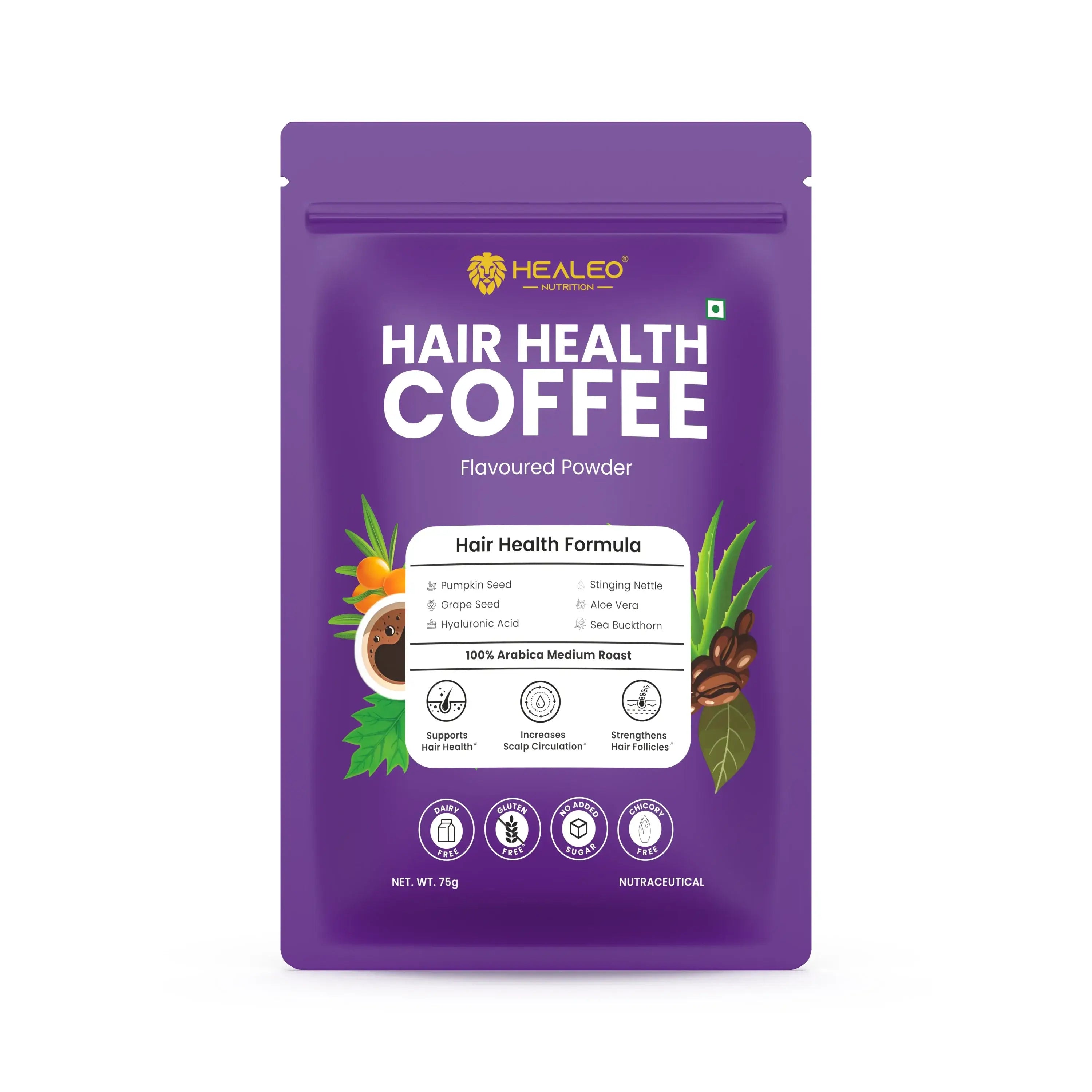
This is where Healeo Hair Health Coffee fits in naturally.
It is a flavoured coffee powder built around ingredients that target hair health at the root level.
-
Pumpkin Seed Extract: Shown to help block DHT, the hormone most associated with hair thinning and follicle miniaturisation
-
Grape Seed Extract: Packed with proanthocyanidins that stimulate hair follicle growth and protect the scalp from oxidative damage
-
Biotin: One of the most well-researched nutrients for hair growth, it plays a direct role in keratin production
-
Hyaluronic Acid: Keeps the scalp hydrated at a cellular level, creating a healthier environment for hair follicles to thrive
Conclusion
Amla juice for hair fall is one of the most well-supported natural remedies available in Indian kitchens.
It works because it addresses the actual root causes of hair thinning: weak collagen, poor iron absorption, scalp inflammation, and oxidative stress.
The key is using it correctly, consistently, and as part of a broader nutrient-rich lifestyle.
It will not work overnight. But given three to four months of sincere daily use, the results tend to speak for themselves.
Pair it with good food, minimal heat styling, and a stress-aware daily rhythm, and the foundation for stronger hair becomes far more stable.
FAQs:
1. Can amla juice stop hair fall completely?
Amla juice for hair fall can significantly reduce shedding caused by nutritional deficiencies and scalp inflammation. It cannot reverse genetic hair loss entirely on its own.
2. Is it better to drink amla juice or apply it to the scalp?
Drinking it addresses internal root causes, while topical use nourishes the scalp externally. Combining both methods gives the most comprehensive results.
3. How quickly does amla juice work for hair fall?
Most people notice reduced shedding within 6 to 8 weeks. Visible new growth usually takes 3 to 4 months of consistent daily use.
4. Can I mix amla juice with other juices for hair fall?
Yes. Mixing amla juice with aloe vera juice or bottle gourd juice is a popular combination for hair and scalp health in Ayurvedic practice.
5. Is amla juice safe to drink every day?
Yes, 20 to 30 ml diluted in water daily is considered safe for most healthy adults. Those with acidity or on blood-thinning medications should consult a doctor first.
6. Does amla juice help with postpartum hair fall?
Amla juice for postpartum hair fall can help by replenishing Vitamin C and supporting iron absorption, both of which drop significantly after childbirth.
7. Which is better for hair fall: amla juice or amla powder?
Amla juice offers faster nutrient absorption. Amla powder can be used in both food and hair masks. For internal use targeting hair fall, juice is generally preferred.
8. Can men use amla juice for hair fall too?
Absolutely. Amla juice is equally effective for hair fall in men, particularly for DHT-linked thinning where its potential 5-alpha reductase inhibiting properties may help.
9. Does amla juice work for hair fall caused by thyroid issues?
Amla supports overall nutritional status but does not directly treat thyroid dysfunction. It can be a helpful complementary addition alongside prescribed thyroid medication.
10. Should amla juice be taken with warm or cold water?
Cold or room temperature water is preferred. Heat destroys the Vitamin C in amla, reducing its effectiveness for hair fall and other benefits.
11. Can Healeo's Hair Health Coffee help reduce hair fall?
Yes, it contains ingredients like pumpkin seed extract, biotin, and grape seed extract that support follicle strength and scalp health when used consistently alongside a balanced diet.