



Living with PCOD means your body processes food differently from someone without it.
Hormonal imbalances affect how your cells respond to insulin, how fast your metabolism runs, and where your body stores fat, which is usually around the belly and hips.
The frustrating part is that standard weight loss advice often does not work as well for women with PCOD because the root cause is hormonal, not just caloric.
A well-planned PCOD diet chart for weight loss targets the actual problem: insulin resistance, excess androgens, chronic inflammation, and a sluggish metabolism.
When you eat the right foods in the right way, your body gets a consistent signal to balance hormones rather than fight them.
At a Glance
|
Topic |
Key Takeaway |
|
Why PCOD causes weight gain |
Insulin resistance, androgens, inflammation |
|
What to eat |
Low GI foods, anti-inflammatory choices, key nutrients |
|
What to avoid |
High sugar, refined carbs, common triggers |
|
Meal timing |
Why when you eat matters as much as what |
|
Sample diet chart |
Full day Indian meal plan |
|
Lifestyle add-ons |
Sleep, movement, and stress tips |
|
Smart functional choices |
Ingredients that support metabolism |
|
FAQs |
10 common PCOD diet questions answered |
Why Does PCOD Make Weight Loss So Hard?
PCOD, or polycystic ovarian disease, is primarily a hormonal condition. When your cells stop responding properly to insulin, your pancreas compensates by producing more of it.
High insulin levels then signal the ovaries to produce more androgens (male hormones like testosterone), which disrupts ovulation and makes fat loss, especially belly fat, significantly harder.

On top of that, many women with PCOD experience elevated cortisol (the stress hormone), low-grade chronic inflammation, and disrupted hunger hormones like leptin and ghrelin.
This creates a cycle where you feel hungrier, store fat more easily, and burn calories more slowly than someone without PCOD.
This is exactly why a generic calorie-cutting approach rarely works. A targeted PCOD diet chart for weight loss works by addressing the hormonal environment first, and weight loss follows as a result.
(Source: NCBI, Insulin Resistance in PCOD)
What Should a PCOD Diet Chart for Weight Loss Include?
The foundation of any good PCOD diet chart for weight loss rests on three principles: stabilise blood sugar, reduce inflammation, and support hormone balance through nutrition.
Every meal should have a mix of protein, fibre, and healthy fat so your blood sugar rises slowly and stays steady rather than spiking and crashing.

Foods to Prioritise
1. Complex Carbohydrates (low GI)
These digest slowly, keeping blood sugar stable and insulin levels in check.
-
Brown rice, millets like jowar, bajra, and ragi
-
Oats, quinoa, sweet potato
-
Whole wheat or multigrain roti in controlled portions
2. Lean Proteins
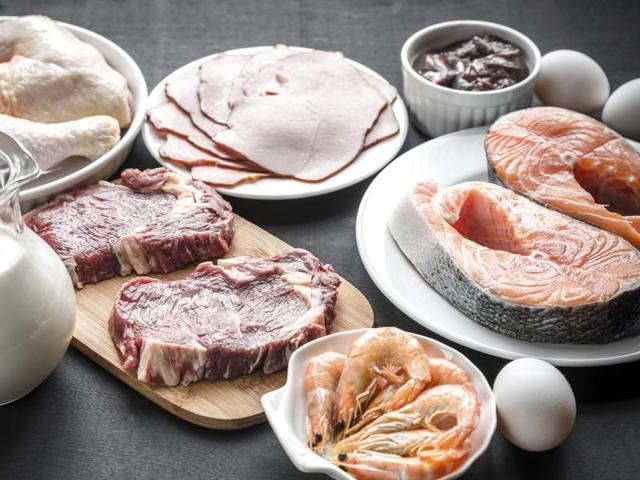
Protein keeps you full, preserves muscle mass, and has a minimal effect on blood sugar.
-
Eggs, paneer, tofu, tempeh
-
Legumes: moong dal, chana, rajma, lentils
-
Grilled chicken, fish (especially fatty fish like salmon or mackerel)
3. Healthy Fats
Good fats are not the enemy. They support hormone production, reduce inflammation, and slow digestion.
-
Avocado, walnuts, almonds, chia seeds
-
Flaxseeds and pumpkin seeds (rich in omega-3 and zinc)
-
Cold-pressed oils like coconut, olive, or mustard oil
4. Anti-Inflammatory Foods
Chronic inflammation makes PCOD worse. These foods help cool it down.
-
Turmeric, ginger, garlic
-
Berries, pomegranate, citrus fruits
-
Leafy greens: spinach, methi, kale, moringa
5. High-Fibre Vegetables

Fibre slows glucose absorption and feeds healthy gut bacteria, which in turn supports hormonal metabolism.
-
Broccoli, cauliflower, bottle gourd, ridge gourd
-
Cucumber, zucchini, bell peppers, tomatoes
One ingredient worth highlighting is flaxseeds. They contain lignans, plant compounds that have been shown to help reduce excess androgen activity in the body.
Adding one to two tablespoons to your meals daily is a simple, evidence-backed habit. (Source: NCBI, Flaxseed and Hormonal Balance)
What Foods Should You Avoid on a PCOD Diet?
Avoiding the wrong foods is just as important as eating the right ones.
The goal is to prevent blood sugar spikes, reduce inflammation, and avoid anything that worsens hormonal imbalance.
-
Refined Carbohydrates: White bread, maida rotis, biscuits, and pasta. These break down almost as fast as sugar and cause sharp insulin spikes.
-
Sugary Foods and Drinks: Packaged juices, sodas, mithai, and ice cream. Even "healthy" options like energy bars often have hidden sugars, so check labels.
-
Dairy (for some women): Full-fat milk and processed cheese can trigger androgen production in some women with PCOD. Try cutting it for 4 weeks and switch to almond, oat, or soy milk to observe any change.
-
Trans Fats and Fried Foods: Samosas, namkeen, and anything fried in reused oil increase inflammation and worsen insulin resistance.
-
Alcohol: Stresses the liver, which is responsible for clearing excess hormones, and disrupts sleep, both of which aggravate PCOD. (Source: Harvard T.H. Chan School of Public Health, Glycaemic Index)
Does Meal Timing Matter for PCOD Weight Loss?
Yes, significantly. Your body's insulin sensitivity is naturally higher in the morning and lower at night.
This means the same meal eaten at 8 am has a much smaller impact on your blood sugar than the same meal eaten at 9 pm.
Practical Meal Timing Tips
-
Do Not Skip Breakfast: A protein-rich breakfast within an hour of waking up sets a stable metabolic tone for the day and prevents the blood sugar rollercoaster that leads to cravings later.
-
Eat Your Biggest Meal at Lunch: between 12 pm and 2 pm, when insulin sensitivity is at its peak.
-
Keep Dinner Light and Early: Ideally before 7:30 to 8 pm. Heavy meals close to bedtime raise insulin at the worst possible time.
-
Eat Meals After certain Time: Space meals 3 to 4 hours apart to avoid constant insulin stimulation throughout the day.
-
Try a 12-hour Overnight Fast: Simply finishing dinner by 8 pm and having breakfast by 8 am gives your body 12 hours of metabolic rest without extreme fasting. (Source: Cell Metabolism, Circadian Rhythms and Metabolism)
What Does a Sample PCOD Diet Chart for Weight Loss Look Like?
This PCOD diet chart for weight loss is built around Indian foods that are easy to source, practical to cook, and culturally familiar. It balances all three macronutrients at every meal.
|
Time |
Meal |
What to Eat |
|
6:30 AM |
Early morning |
Warm water with jeera or overnight-soaked methi seeds |
|
8:00 AM |
Breakfast |
Moong dal cheela with mint chutney, or vegetable oats with seeds |
|
11:00 AM |
Mid-morning snack |
A handful of mixed nuts or 1 low-GI fruit (guava, apple, or pear) |
|
1:00 PM |
Lunch |
1 cup brown rice or 2 bajra rotis, sabzi with greens, dal, cucumber salad |
|
4:00 PM |
Evening snack |
Green tea with roasted chana or a small portion of seeds and nuts |
|
7:30 PM |
Dinner |
Light: soup with sabzi, or 1 roti with palak paneer or tofu stir-fry |
|
Post-dinner |
Wind down |
Turmeric milk, chamomile tea, or warm water with cinnamon |
This sample day comes in at roughly 1,400 to 1,600 calories, with a reasonable macronutrient split of around 40% carbs, 30% protein, and 30% fat, which is well-suited to a PCOD diet chart for weight loss focused on hormonal balance.
Is Low Carb or Keto Good for PCOD?
Reducing refined carbohydrates is one of the most evidence-supported interventions for PCOD. However, full ketogenic diets are not ideal or sustainable for everyone.
A moderate low-carb approach targeting 100 to 130 grams of carbohydrates per day from whole food sources has shown better outcomes for insulin resistance, menstrual regularity, and gradual weight loss in women with PCOD.
The goal is not to eliminate carbs but to choose the right kind and keep portions reasonable.
(Source: Journal of the Academy of Nutrition and Dietetics, Low-Carb and PCOD)
How Does Exercise Support a PCOD Diet for Weight Loss?
Diet alone can take you far, but exercise acts as a powerful amplifier.
Physical activity improves insulin sensitivity, lowers testosterone levels, reduces cortisol, and helps build lean muscle, which burns more calories at rest.
Best Exercise Types for PCOD
-
Strength Training: 3 times a week. Building muscle is one of the most effective long-term strategies to improve insulin sensitivity and metabolism in PCOD.
-
Brisk Walking: Even 30 minutes daily has been shown to reduce fasting insulin and improve mood.
-
Yoga: Particularly effective for stress and cortisol management. Poses like supta baddha konasana, supported bridge, and legs-up-the-wall are especially beneficial.
-
Low-Intensity Steady-State Cardio: Cycling, swimming, or dancing. These are sustainable and do not spike cortisol.
One thing to avoid: excessive high-intensity exercise every single day. Overdoing it raises cortisol, which can make PCOD symptoms worse and stall weight loss.
(Source: NCBI, Exercise and Insulin Resistance in PCOD)
Are Sleep and Stress the Missing Piece in a PCOD Weight Loss Plan?
Even the most well-designed PCOD diet chart for weight loss will underperform if sleep and stress are not managed.
Here is why: poor sleep raises ghrelin (the hunger hormone) and lowers leptin (the fullness hormone), making you eat more the next day.
It also raises cortisol, which directly worsens insulin resistance overnight.
-
Aim for 7 to 9 hours of consistent, quality sleep
-
Keep your sleep and wake time the same even on weekends
-
Limit blue light and screen use after 9 pm
-
Try 5 to 10 minutes of deep breathing or journaling before bed to lower cortisol
-
Chronic stress from work, relationships, or anxiety keeps cortisol elevated, which feeds the PCOD cycle; addressing it is not optional, it is part of the treatment
(Source: Sleep Foundation, Sleep and Hormonal Health)
Can Healeo Fat Burner Coffee Fit Into a PCOD Diet for Weight Loss?

Your morning drink matters. Sweetened chai and flavoured coffees spike insulin first thing, which is exactly what a PCOD-friendly routine should avoid.
Healeo Fat Burner Coffee is a simple, practical swap:
-
Green Coffee Bean Extract: Supports healthy glucose metabolism and helps slow sugar absorption
-
Garcinia Cambogia: Associated with appetite regulation, useful when hormonal cravings kick in
-
L-Carnitine: Supports the body's ability to use fat as fuel, relevant when metabolism is sluggish due to hormonal imbalance
-
MCT Powder: Provides clean, slow-burning energy without spiking blood sugar
-
CLA: Associated with supporting lean body composition
-
B Vitamins (B6, B12, Niacin, Riboflavin): Essential for energy metabolism and reducing fatigue, commonly low in women with PCOD
Not a treatment, but a smarter morning habit that fits naturally into a PCOD diet chart for weight loss.
Consult your doctor before adding it, especially if you are on PCOD or thyroid medication.
Conclusion
PCOD is a hormonal condition, and food is one of the most powerful tools you have to address it.
A smart PCOD diet chart for weight loss is not about eating less; it is about eating right for your hormones.
Low-GI foods, consistent meal timing, adequate protein and fiber, anti-inflammatory ingredients, and mindful lifestyle habits all work together to create an environment in your body where weight loss can actually happen.
You do not need a perfect diet. You need a consistent one. Start with the sample meal plan, make swaps gradually, and track how your energy, cravings, and cycle respond.
Over 8 to 12 weeks, most women notice real, measurable changes when they follow a structured PCOD diet chart for weight loss and pair it with movement and better sleep.
FAQs
1. What is the best diet for PCOD weight loss?
A low-GI, high-fibre, anti-inflammatory diet rich in whole grains, lean proteins, and healthy fats works best. The focus should be on stabilising blood sugar and reducing insulin resistance.
2. How many calories should I eat on a PCOD diet?
A mild deficit of 300 to 500 calories below your maintenance level is ideal. Extreme restriction raises cortisol and worsens hormonal imbalance, which is counterproductive for PCOD.
3. Is rice bad for PCOD?
White rice in large portions raises blood sugar quickly. Switching to brown rice, millets, or quinoa in controlled portions is a smarter choice on a PCOD diet chart for weight loss.
4. Can I eat fruits on a PCOD diet?
Yes. Low-GI fruits like guava, pear, apple, and berries are safe. Avoid fruit juices and high-sugar fruits like mango and chikoo in large amounts.
5. How long does it take to lose weight with PCOD?
With consistent diet and lifestyle changes, most women see noticeable improvements in 8 to 12 weeks. Weight loss may be slower than average due to insulin resistance, but it is absolutely achievable.
6. Is intermittent fasting good for PCOD?
A gentle 12-hour overnight fast can improve insulin sensitivity without stressing your body. Extreme fasting windows are not recommended without medical supervision.
7. Which Indian foods are best for a PCOD diet chart for weight loss?
Moong dal, bajra roti, methi, palak, sprouts, flaxseeds, jeera water, turmeric, and seasonal vegetables are all excellent PCOD-friendly Indian choices.
8. Does dairy worsen PCOD?
For some women, yes. Full-fat dairy can increase androgen activity. Try reducing it for 4 weeks and switch to plant-based milk options to observe any improvement in symptoms.
9. What is the best breakfast for PCOD?
A protein-rich, low-GI breakfast such as moong dal cheela, vegetable oats, or eggs with vegetables is ideal. It prevents insulin spikes and controls hunger until lunch.
10. Can coffee be part of a PCOD diet?
Plain black coffee or green coffee in moderate amounts is acceptable. Sweetened, flavoured, or high-sugar coffee drinks are best avoided.
Functional coffees with metabolism-supporting ingredients and no added sugar make a practical daily alternative.