



PCOS has left lakhs of women struggling with unexplained weight gain, irregular periods, and fatigue, only to be sent home from the doctor’s clinic with confusing answers.
The root of the problem? A diagnosis built on the wrong name.
On May 12, 2026, everything changed. After 10 years of global research involving nearly 22,000 patients and doctors, the medical world made a massive shift.
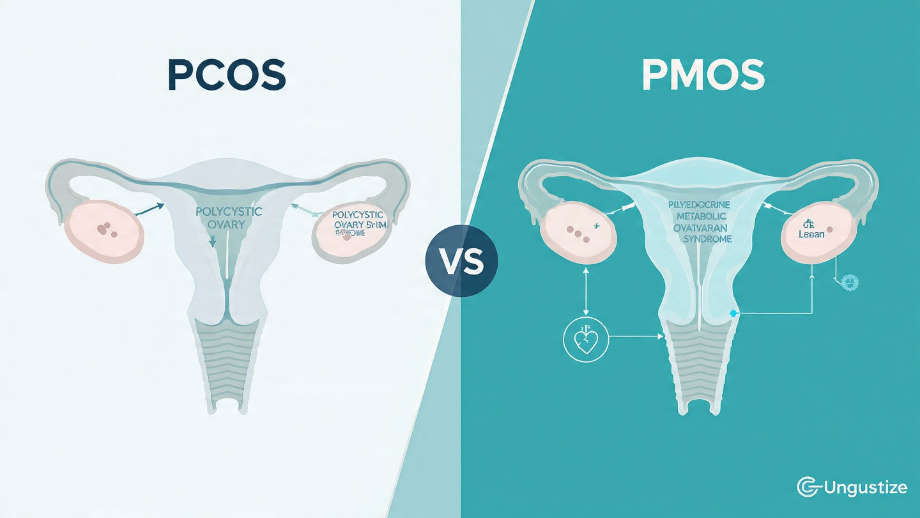
With PCOS renamed as PMOS, the condition is finally being understood for what it truly is.
[Source: Nigeria Info FM]
At a Glance:
|
Question |
Quick Answer |
|
What is PMOS? |
Polyendocrine Metabolic Ovarian Syndrome. The new official name for PCOS. |
|
When did it change? |
May 12, 2026, published in The Lancet after a 10-year global study. |
|
Is it a different disease? |
No, the condition is the same. The name now correctly calls it a hormonal and metabolic issue, not just a "cyst" problem. |
|
Does this change my diagnosis? |
Yes. Doctors will now look at your hormones and metabolism, not just your ultrasound scans. |
|
Is insulin resistance involved? |
Yes! It is the main driver behind the weight gain, belly fat, and low energy. |
The condition itself hasn't changed, but our understanding of it has.
Let's break down what PCOS, renamed as PMOS, really means for your body, your daily life, and your hormonal health as an Indian woman.
What Was PCOS, and Why the Name Change?
[Source: Cleveland Clinic]
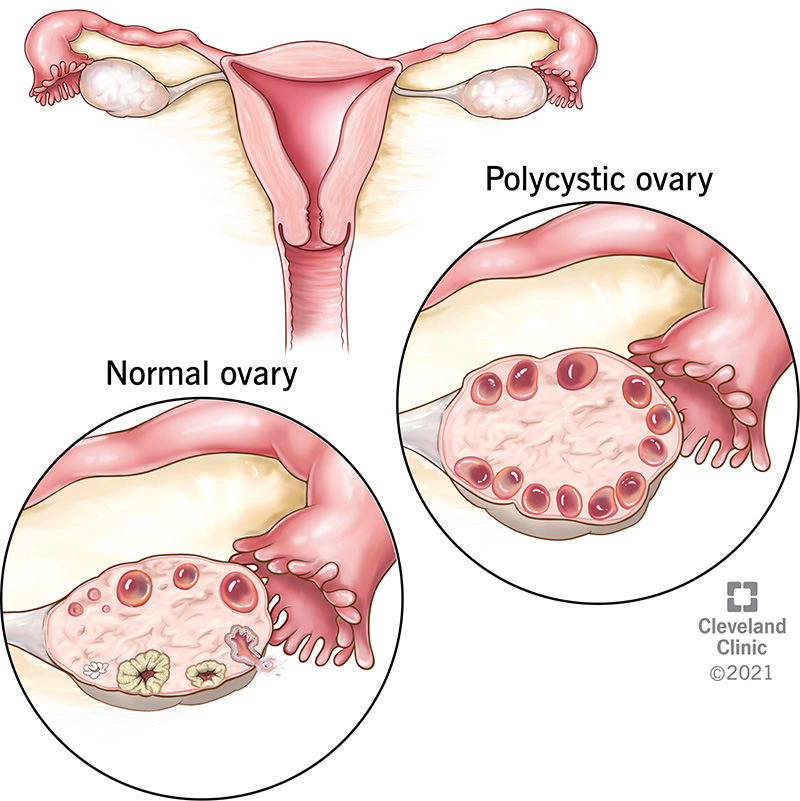
PCOS (Polycystic Ovary Syndrome) was originally named after what doctors saw on an ultrasound: small fluid-filled sacs on the ovaries, commonly called "cysts".
But there was a huge problem. Many women with PCOS never actually had cysts. On the flip side, some women had cysts but perfectly normal hormones.
Before PCOS was renamed as PMOS, doctors would often look at a clear ultrasound scan and tell a woman she was perfectly fine, even when she was struggling with severe weight gain, acne, or missing periods.
Because the old name only focused on the ovaries, doctors missed the bigger picture: the root cause was actually a full-body hormonal and metabolic issue.
This is exactly why PCOS being renamed as PMOS is such a huge relief.
It forces the medical world to look past just your reproductive system. [Source: The Lancet consensus paper]
PCOS Renamed as PMOS: What It Actually Means?
PCOS, now known as Polyendocrine Metabolic Ovarian Syndrome (PMOS), wasn't picked randomly.
Over the years, doctors misconceived it as a reproductive disorder, but since it has now been renamed PMOS, the disorder goes beyond ovaries to the whole body:
-
Polyendocrine: Multiple hormones are out of balance, not just one. This includes insulin, testosterone, cortisol, and estrogen.
-
Metabolic: It directly affects how your body processes food, stores fat, and manages blood sugar.
-
Ovarian: The ovaries are still involved, especially when it comes to irregular periods and ovulation.
-
Syndrome: It is a cluster of symptoms. Your PMOS might look completely different from your friend’s PMOS. [Source: Endocrine Society]
Know more about PMOS here!
How Will PMOS Diagnosis and Treatment Change?

After PCOS was renamed as PMOS, diagnosis goes way beyond a simple ultrasound.
What changes now?
-
Scans aren't everything: An ultrasound is no longer the ultimate deciding factor.
-
Focus on bloodwork: Doctors will now look closely at your hormonal markers (like excess male hormones) and fasting insulin levels.
-
Heart and sugar health: Checking your blood sugar, cholesterol, and blood pressure is now a mandatory part of the process.
-
Mental health matters: Anxiety and mood swings are now officially recognised as part of the syndrome, not just a "side effect".
Treatment will now aim to fix your overall metabolism and insulin levels first, rather than just treating fertility or skin issues in isolation. [Source: Healthline]
Other Factors of PCOD/PMOS: Weight, Metabolism, and the Indian Diet

What makes PMOS, formerly known as PCOS, so crucial for us is how it explains the hardest symptom to manage: weight gain.
At the core of PMOS is insulin resistance.
Think of it like a locked door. Your body produces insulin to unlock your cells and give them energy from the food you eat.
But with PMOS, the locks are jammed. Your pancreas panics and pumps out more insulin.
This extra insulin floating around tells your body to store fat (especially belly fat), makes you crave sweets, stops you from ovulating, and pushes your ovaries to make excess male hormones (androgens).
This leads to facial hair, acne, and hair fall.
For Indian women, this is tricky. Our daily diets are heavily based on refined carbs, think white rice, maida, rotis, and sweet tea.
These foods spike blood sugar rapidly, forcing the body to produce even more insulin, trapping us in a vicious cycle. [Source: National Library of Medicine]
Why Does the New Name Fight Stigma?
[Source: TheHealthSite]
The name change from PCOS to PMOS brought a huge difference.
The old name made it sound like a "fertility disease".
In Indian society, where there is already so much pressure around marriage and having kids, being diagnosed with an "ovary issue" causes immense mental stress.
Women felt like their bodies were failing them.
The new name takes the blame off the reproductive system.
It proves that PMOS is a complex metabolic condition.
You are not to blame, and your mental health struggles are valid.
Everyday Habits to Manage PMOS in Indian Women
Managing your health with PMOS is all about working with your Indian roots, not against them. The goal is to lower insulin spikes and calm inflammation.
-
Kitchen Superstars: Use methi (fenugreek) seeds, dalchini (cinnamon), and haldi (turmeric) daily. They are proven to help manage insulin and clear out hormonal waste.
-
Smart Carbs: Swap out maida and daily white rice for millets like jowar, bajra, and ragi.
-
Eat in Order: Try eating your veggies and protein (dal/paneer/chicken) before you eat your roti or rice. This flattens the sugar spike.
-
Move After Meals: A simple 20-minute walk after lunch or dinner does wonders for your insulin levels.
-
Sleep & De-stress: Poor sleep and high stress (cortisol) directly make belly fat and insulin resistance worse. Prioritise 7-8 hours of sleep.
Ultimately, PCOS being recognised as PMOS, a metabolic syndrome, is the validation millions of women were waiting for.
It is an invitation to finally treat the whole body, understand your metabolism, and take back control of your health.
Read more about a PCOD Diet Chart for women!
Conclusion
The transition to Polyendocrine Metabolic Ovarian Syndrome (PMOS) is a breakthrough that finally recognises this as a full-body metabolic disorder, not just an ovarian issue.
For Indian women, this updated classification means more accurate diagnoses and smarter everyday lifestyle shifts.
By moving the medical focus beyond fertility, it prioritizes long-term preventative care.
Understanding this shift is your first empowering step toward taking back control of your health!
FAQs
1. Is PMOS a different condition from PCOS, and why did the name change?
No, it is the exact same condition! The old name (PCOS) was highly misleading because it made it sound like a "cyst" problem.
In reality, many women with the condition never even had cysts.
The condition has officially been renamed to PMOS (Polyendocrine Metabolic Ovarian Syndrome) to correctly show that it is a full-body hormonal and metabolic issue, not just an ovary problem.
2. When did PCOS get renamed PMOS?
The rename was officially announced on May 12, 2026, through a landmark consensus paper published in The Lancet, following an 11-year global process involving nearly 22,000 stakeholders.
3. Does PCOS renamed as PMOS affect my existing diagnosis?
No existing diagnosis is invalidated. Women previously diagnosed with PCOS now have PMOS. Doctors may revise how they assess and manage the condition going forward.
4. What is insulin resistance and why does it matter in PMOS?
Insulin resistance means the body's cells respond poorly to insulin, causing the pancreas to overproduce it.
This drives fat storage, weight gain, hormonal imbalance, and increased cardiovascular risk in women with PMOS.
5. Can women who are not overweight have PCOS/PMOS?
Yes. Research shows insulin resistance is present in up to 70 percent of women with PMOS regardless of body weight.
Lean women can and do have PMOS with significant metabolic impact.
6. How does PCOS/PMOS affect weight loss?
Insulin resistance makes fat burning less efficient and promotes fat storage, especially around the abdomen.
Managing blood sugar and reducing insulin levels is key to effective, sustainable weight management with PMOS.
7. What Indian foods should women with PMOS/PCOS avoid?
Refined carbohydrates such as maida, white rice in excess, sugary beverages, and high-glycaemic snacks should be limited, as they spike blood sugar and worsen insulin resistance.
8. Will doctors start using the name PMOS immediately?
Adoption will be gradual. Clinical guidelines, medical education, and international disease classifications will be updated over time to reflect the new PMOS terminology globally.
9. Can PMOS/PCOS be managed without medication?
Yes, for many women. Lifestyle changes targeting insulin resistance, including a low-glycaemic diet, regular movement, stress management, and quality sleep, can significantly improve hormonal balance and metabolic health without medication.
10. Can PMOS cause a miscarriage?
PMOS can increase the risk of miscarriage, primarily due to hormonal imbalance and insulin resistance.
With proper management of metabolic and hormonal health, many women with PMOS go on to have healthy pregnancies.
11. Does PMOS ever go away?
PMOS does not have a cure, but symptoms can improve significantly with the right lifestyle changes.
Many women find their hormonal and metabolic markers normalise with consistent diet, exercise, and weight management.
12. Can you be in menopause and have PMOS?
Yes. PMOS does not disappear at menopause.
The metabolic and cardiovascular risks associated with the condition, including insulin resistance and elevated androgen levels, can persist and require ongoing management post-menopause.
13. Can I get pregnant if I have PMOS/PCOS?
Yes. Many women with PMOS conceive naturally or with minimal intervention.
Managing insulin resistance and supporting regular ovulation through lifestyle changes significantly improves fertility outcomes for women with PMOS.
14. Can I have PMOS/PCOS but not have any symptoms?
Yes. Some women with PMOS have no obvious symptoms but show hormonal or metabolic irregularities on blood tests.
This is why a full hormonal and metabolic workup matters, even when periods appear regular.