




After a blood report shows high uric acid, the first question most people ask is which uric acid food to avoid.
What they usually hear is one vague piece of advice: eat less protein.
That is hard to act on when your plate is dal, roti, rice, curd and meat twice a week.
High uric acid, or hyperuricemia, means there is more uric acid in your blood than your kidneys are clearing.
Your body makes uric acid when it breaks down purines, which come from your own cells and from certain foods.
When levels stay high for long, the extra uric acid can settle into joints as crystals and cause gout.
You do not have to give up protein to fix this. You have to know which foods actually push levels up and which ones people cut for no reason.
At a Glance
|
Factor |
What to know |
|
Condition |
Hyperuricemia, too much uric acid in the blood |
|
Main dietary drivers |
Purines from animal foods, alcohol, fructose |
|
Foods to cut first |
Organ meats, red meat, some seafood, packaged juice |
|
Drinks to cut |
Alcohol, soft drinks, sweetened juice |
|
Foods to add |
Vegetables, whole grains, low-fat dairy, moong dal |
|
Treatment target |
Doctors usually aim for serum urate below 6 mg/dL. |
|
Important |
Diet helps, but some people also need medicine. |
Why Does Food Raise Uric Acid?
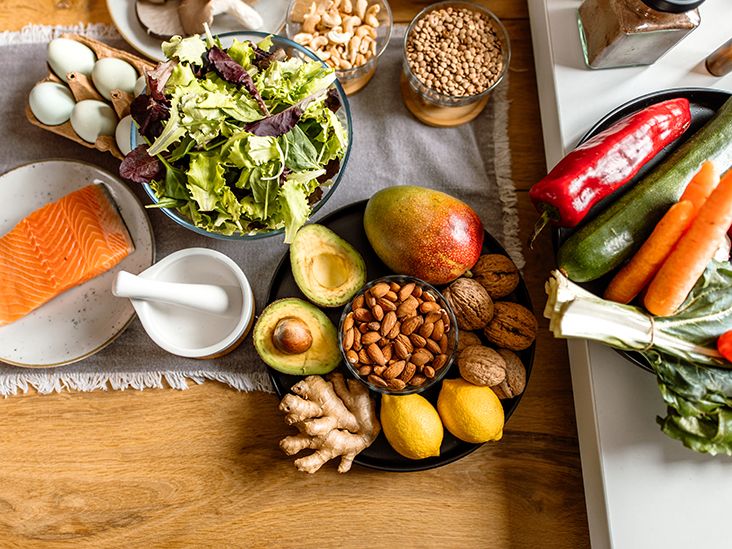
Purines break down into uric acid, so eating a lot of purine-heavy food raises how much your body has to clear. Your kidneys flush the rest out through urine.
Not all purines behave the same way, which is why the uric acid food to avoid list is shorter than most people expect.
Purines from animal foods raise uric acid much more than purines from plants, which is why spinach and dal get blamed far more often than they deserve.
Alcohol and fructose matter too, and neither works through purines at all.
Uric Acid Food to Avoid: The Full List
This is the uric acid food to avoid list that matters, with eight groups that push levels up in Indian kitchens, in order of how much they matter.
At least two of them are sitting in most fridges labelled as healthy.

1. Organ meats: Liver, kidney and brain carry more purines than any other food, and chicken liver counts as much as mutton liver.
A single serving can beat everything else you eat that day. These come off the plate fully, not in smaller portions.
2. Red meat: Mutton, beef and pork sit just below organ meats. Weekend mutton is the most common uric acid food to avoid in Indian homes.
Skinless chicken or eggs give the same protein with far fewer purines.
3. Some seafood: Sardines, anchovies, prawns, mussels and tuna sit at the heavy end, and prawns come up several times a week in coastal cities.
Once a week is a sensible ceiling if your levels are already high. Salmon in a small portion is the safer pick.
4. Alcohol: Alcohol does two things at once. It adds to uric acid production, and it slows how fast your kidneys clear it, so levels climb even from drinks with almost no purines.
Beer is the worst because it brings alcohol and yeast purines together.
5. Packaged juice and soft drinks: The problem here is fructose, not purines. In the Nurses' Health Study, fructose-rich drinks raised gout risk clearly, with orange juice matching sugary soda.
Whole fruit is different because the fibre slows everything down.
6. Biscuits and sweet packaged food: Table sugar is half fructose, so sweets feed the same pathway that juice does.
Many packaged snacks and cereals do not even taste sweet, which is why the label matters more than the taste. Look for corn syrup on it.
7. Meat gravies and stocks: A curry made with a lot of meat concentrates purines into the gravy, and the gravy is what gets poured over rice.
Keep the portion sensible instead of ladling it on. The same applies to meat stock and shorba.
8. Very large protein portions: No single meal ruins a reading. Mutton at lunch, prawns at dinner and a sweet after is what stacks up across a week.
Quick Reference Table
Spread protein through the day instead of piling it into one or two heavy meals.
|
Food |
Examples |
What to do |
|
Organ meats |
Liver, kidney, brain |
Remove fully. |
|
Red meat |
Mutton, beef, pork |
Twice a month at most |
|
High-purine seafood |
Sardines, anchovies, prawns |
Once a week at most |
|
Alcohol |
Beer, whisky, wine |
Cut back or stop. Beer is the worst. |
|
Packaged juice, soft drinks |
Mango juice, cola, sweet lassi |
Swap for water. |
|
Sweets and snacks |
Mithai, biscuits, bakery |
Occasionally only |
|
Meat gravies |
Heavy mutton and chicken curries |
Smaller portions |
|
Very large protein meals |
Meat twice in one day |
Spread it out. |
Which Vegetables Should You Avoid for Uric Acid? 
Almost none. This is the biggest myth in the uric acid food to avoid list, and it costs people the healthiest part of their plate.
Spinach, cauliflower, mushrooms, green peas and asparagus do contain purines, and every WhatsApp forward tells you to stop eating them.
Research does not back this up. Vegetables with higher purine levels have not been shown to raise gout risk, and Cleveland Clinic's low purine diet guidance tells people to eat fruits and vegetables freely for the same reason.
Keep palak and gobi in your meals. If you have kidney disease and have been told to watch potassium, ask your doctor which vegetables suit you.
Which Fruits Should You Avoid for Uric Acid?
The fruit itself is rarely the problem. Whole fruit comes with fibre that slows how fast the sugar hits your liver, and packaged juice has none of it.
Cherries are the one fruit worth adding on purpose. They have anti-inflammatory properties and may lower uric acid, and berries and citrus fruits work in the same direction.
Amla and mosambi are easy Indian versions of the same idea.
Go easy on very sweet fruits like mango, chikoo and grapes if you eat a lot of them, and skip tinned fruit in syrup. But no fruit belongs on the uric acid food avoid, like the liver or beer does.
Uric Acid Food to Eat: What to Add Instead
Cutting the uric acid food to avoid list only stops what is coming in.
The other half is the uric acid food to eat list, the things that help your kidneys push out what is already there. That comes down to water, low-fat dairy and a few easy swaps.

None of these swaps ask you to cook differently. Curd, chaas and milk are useful here too.
Low-fat dairy is one of the few foods with evidence behind it for lowering uric acid, and it works by helping your body pass uric acid out through urine.
Whole grains are worth adding as well. A 2025 study in Arthritis Care and Research found that a daily serving of whole grain breakfast cereal, or oats and oat bran twice a week, lowered gout risk.
The researchers linked it to plant compounds called lignans and how your gut bacteria process them.
Whole grains also steady your blood sugar, which helps for a separate reason. Oats were once on the caution list and no longer are.
Food is one lever. Water, weight and daily habits are the others, and our guide to home remedies to control uric acid goes through those in detail.
Drink enough water through the day so your urine stays pale. Your kidneys need volume to clear uric acid, and most people managing this are underdrinking.
Ask your doctor first if you have been told to limit fluids for a kidney or heart reason.
Is Dal Bad for Uric Acid?
Dal is the food people cut first after a high report, and usually for no reason, and the answer is no for most people.
Dal, rajma and chole contain purines, but plant purines do not raise gout risk the way meat and seafood do.
What is worth changing is variety. If heavy dal appears at every meal every day, rotate moong dal in, since it carries the least purines and is the easiest to digest.
Why the Indian Plate Makes This Harder
Most advice on uric acid food to avoid is written for Western meals, so it misses the habits that actually drive Indian numbers up.
None of them look like indulgence. They look like a normal week.
Juice is treated as medicine and given to the people least able to handle the sugar. Dal appears three times a day with no rotation.
Two or three sweet chais add up quietly. And weekly mutton stays in the routine because nobody thinks to question it.
When Diet Is Not Enough
Food does part of the job, but the uric acid food to avoid list has limits. A high reading does not always mean gout.
Some people have raised uric acid for years with no symptoms, while others get sudden joint pain or kidney stones.
See a doctor if you get sharp pain, swelling or redness in a joint, especially the big toe.
Read signs of high uric acid that cover what to watch for before it gets to that stage.
For people who need medicine, the 2020 American College of Rheumatology guideline recommends treating to a target, usually keeping serum urate below 6 mg/dL. Food alone will not always get you there.
Doctors usually reach for allopurinol or febuxostat to lower urate, along with anti-inflammatory medicine during a flare.
If you are already on one of these, keep taking it. Diet works alongside the medicine, not instead of it.
Support Your Routine With Healeo Uric Acid Cleanse Drops

Diet handles what goes in. Your kidneys still have to clear what is already in the blood. That is where daily support fits.
Healeo Uric Acid Cleanse Drops is built around six ingredients that work on both halves of the problem.
Cherry helps lower uric acid levels and supports normal kidney function, the same cherry effect covered earlier in this guide.
Celery seed increases urine output, which is how excess uric acid actually leaves the body.
Nettle leaf helps flush out excess water and toxins, and dandelion root supports liver function and daily detoxification.
Ginger and turmeric handle the other side. Both protect the kidneys from the inflammation and oxidative stress that come with high uric acid over time.
Used alongside the uric acid food to avoid the list, it works as a daily routine rather than something you reach for during a flare.
If you are on medicine, pregnant, or have kidney disease, check with your doctor before adding any supplement. Explore Healeo Uric Acid Cleanse Drops.
Conclusion
The uric acid food to avoid list is shorter than most people fear. You are not giving up protein or Indian food. You are removing four or five specific things that keep levels stuck.
Work through the uric acid food to avoid list in this order: drop organ meats, cut red meat and heavy seafood down to occasional, stop alcohol, and swap packaged juice for water.
Build the rest of the plate around vegetables, whole grains, curd and moong dal. Get a baseline test now, repeat it after two months, and let your doctor read the numbers with you.
FAQs
1. What is the number one uric acid food to avoid?
Organ meats top the list because liver, kidney and brain carry the heaviest purine load of any food. Chicken liver counts as much as mutton liver.
For Indian households, packaged juice is the one most people miss, since fructose raises uric acid without purines being involved at all.
2. Is dal bad for uric acid?
No, dal does not belong on the uric acid food to avoid list in normal portions. Plant purines do not carry the same gout risk that meat and seafood do.
One small bowl per meal is fine. Rotate moong dal in, since it carries the least purines.
3. Can I eat eggs and chicken?
Yes. Eggs are low in purines and one of the safest protein choices you have. Skinless chicken in a normal portion works too, best grilled, boiled or lightly curried.
Skip chicken liver, chicken skin and very large servings, and avoid stacking meat into two meals on the same day.
4. Is paneer safe for high uric acid?
Yes. Paneer is low in purines, and dairy protein actually helps your body clear uric acid through urine. Stick to a normal portion of about 100 grams a day.
Go easy on rich malai and cream gravies, since the fat matters more than the paneer itself.
5. Which vegetables should I avoid for uric acid?
None, for most people. Spinach, cauliflower, mushrooms, peas and asparagus contain purines but have not been shown to raise gout risk.
This is the part of the uric acid food to avoid list people get wrong most often. Keep palak and gobi on your plate.
6. Which fruits are bad for uric acid?
Whole fruit is fine, and none of it belongs on the avoid list. Packaged juice is the real problem, because fructose raises uric acid without fibre to slow it down.
Cherries, berries, citrus and amla are worth eating more of. Go easy if you eat mango or chikoo daily.
7. Can I drink tea or coffee?
Both are fine in normal amounts. The sugar in your chai matters far more than the chai itself, so keep it to one or two cups with very little sugar.
Do not treat coffee as a cure, because the evidence on it stays mixed.
8. Is beer worse than whisky for uric acid?
Yes. Beer brings alcohol and yeast purines together, which makes it the worst choice of the three. Spirits come next, and wine is the mildest in normal amounts.
All alcohol slows how fast your kidneys clear uric acid, so cutting back helps whatever you drink.
9. How much water should I drink with high uric acid?
Drink enough through the day that your urine stays pale, which usually works out to two to three litres for most adults. Your kidneys need volume to flush uric acid out.
Ask your doctor first if you have been told to limit fluids for a kidney or heart reason.
10. Are rice and roti allowed?
Yes, both are low in purines, and neither belongs on the uric acid food to avoid list. What helps is variety, so rotate jowar, bajra, brown rice or oats a few times a week.
Whole grains steady blood sugar, and a 2025 study linked them to lower gout risk.
11. How fast will my levels come down?
There is no fixed timeline, since your reading depends on kidney function, weight, medicines and genetics as much as food.
Most people repeat the test after about two months. Diet changes usually show up first in how often flares happen, not in an overnight drop.
12. Do I need medicine if my uric acid is high?
Not everyone does. People with repeated gout attacks, kidney stones, kidney disease or very high readings usually do.
The 2020 ACR guideline supports treating those patients to a target below 6 mg/dL. Ask your doctor rather than deciding on your own, and never stop medicine you are already on.