



Protein rich food for hair growth is the single most important dietary change anyone dealing with hair fall can make.
Most people quickly blame stress, genetics, or their shampoo for thinning strands.
The real answer is often much simpler and much closer to the kitchen than most people expect.
Board certified dermatologist Dr. Asmi Berry told Prevention that hair health is built from the nutrients a person regularly eats.
She explained that proteins, vitamins, and minerals support keratin production, follicle strength, and overall scalp health.
This guide explains why protein matters, how much you actually need each day, and the best Indian sources of protein rich food for hair growth.
It also shows how to build a daily eating habit that gives your follicles what they truly need to grow.
At a Glance
|
Factor |
Detail |
|
Why protein matters for hair |
Hair is made of keratin, a protein. Low intake slows growth and increases shedding. |
|
Daily protein target |
0.8 to 1g per kg of body weight |
|
Best Indian protein sources for hair |
Eggs, moong dal, paneer, curd, chicken breast, pumpkin seeds, soya |
|
Other key nutrients for hair |
Iron, biotin, zinc, vitamin C, omega 3 fatty acids |
|
How long to see results? |
8 to 12 weeks of consistent dietary changes |
|
Biggest Indian diet gap |
Insufficient protein at breakfast and dinner |
Why Is Protein So Important for Hair Growth?
Hair follicles are largely made of protein, which is why diet plays such a direct role.
Eating enough protein rich food for hair growth supports strong strands, since a lack of protein may eventually cause hair loss.
Nutritionist Nmami Agarwal explains this process clearly, covered by NDTV. She notes that hair is mostly keratin, a protein built from amino acids sourced through diet.
When the body lacks protein, it prioritises essential functions first, leaving hair growth on hold.
This weakens hair follicles over time, slowing growth and eventually triggering shedding a few months later.
She also notes that hair can become noticeably brittle under these conditions.
Biotin plays an important role in producing keratin, which is why biotin supplements are often marketed for hair growth.
As nutritionist Lovneet Batra notes, "Your diet plays a crucial role in promoting healthy hair. Lacking the right nutrients can slow down hair growth or even lead to hair loss."
The nutrients that matter most alongside protein are iron, zinc, biotin, vitamins A, C, D, and E, and omega-3 fatty acids. But protein is the foundation on which all of them work.
How Much Protein Do You Need for Hair Growth?
Most adults need somewhere between 0.8 and 1 gram of protein per kilogram of body weight daily.
For anyone looking to include protein rich food for hair growth, meeting this daily target is important. A 60kg person, that works out to roughly 48 to 60 grams of protein per day.
Most Indians fall well short of this target, particularly at breakfast, where chai and biscuits or plain poha offer no real protein source.
Spreading protein intake evenly across three meals, rather than concentrating it entirely at lunch, produces noticeably better results for hair and general health.
Top Protein Rich Food for Hair Growth: Indian Sources
Which Indian foods actually provide the most protein for supporting healthy hair growth?
The list below covers some of the most practical and widely available protein rich food for hair growth found in a typical Indian kitchen.
Eggs
:max_bytes(150000):strip_icc():format(webp)/Health-GettyImages-1488661512-2fa3cb1069bf49f78e466f40994b7b9c.jpg)
Eggs remain the most complete and bioavailable protein source that is widely available.
They provide protein and biotin, two essential nutrients for hair growth, along with useful amounts of zinc and selenium.
How to use: Eat two eggs daily at breakfast, prepared in any way without excessive oil.
Moong Dal

Moong dal is arguably the most hair-friendly dal found in the Indian kitchen today. It provides plant protein, iron, folate, and zinc together in a single simple bowl.
It is also the easiest dal to digest, which makes its nutrients more bioavailable than heavier options like rajma or chana.
How to use: Include moong dal at lunch, or serve it as a light dinner soup with a squeeze of lemon.
Paneer
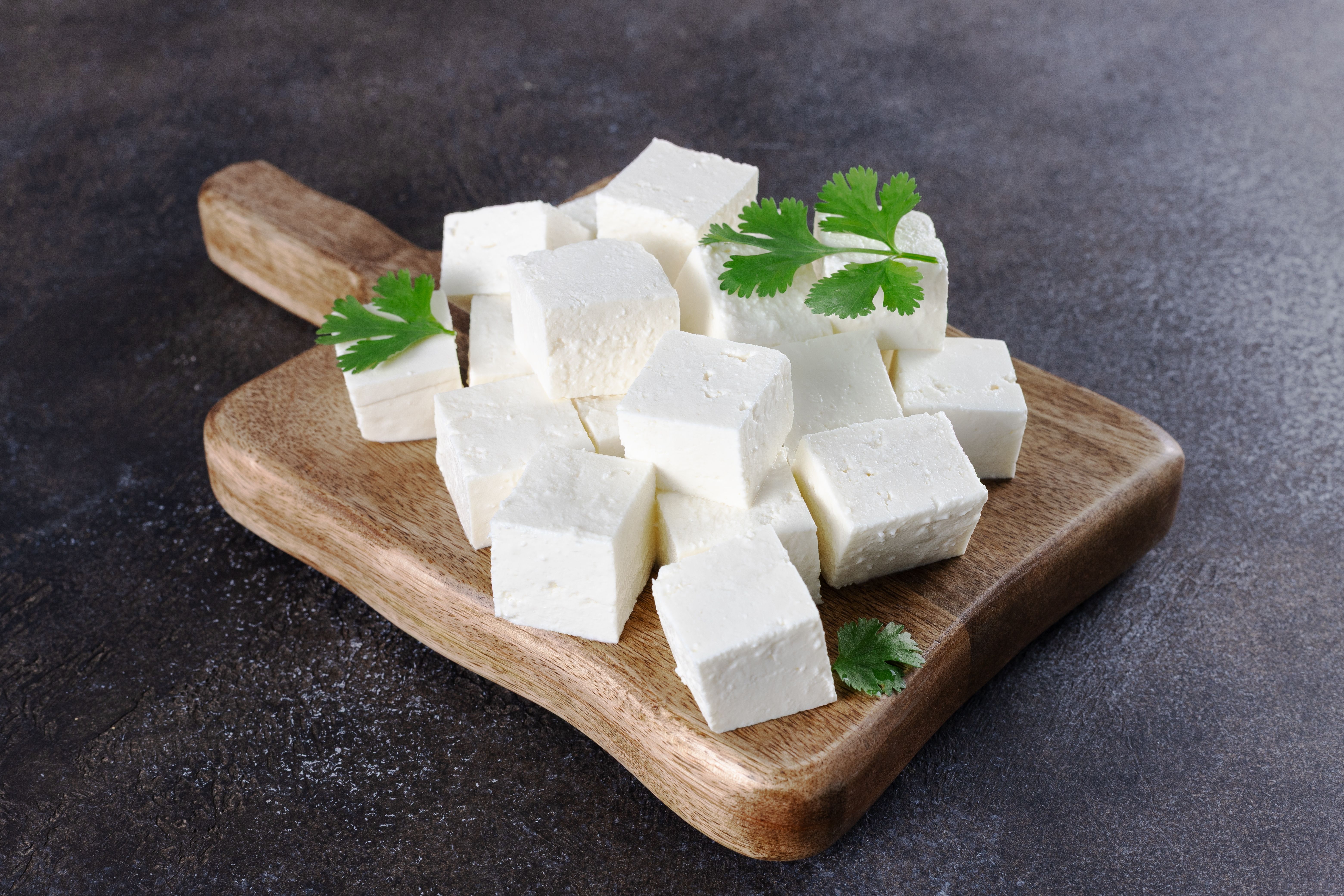
Paneer is a genuinely protein rich food for hair growth that fits naturally into vegetarian Indian cooking.
Every 100 grams of paneer provides approximately 18 to 20 grams of protein, making it one of the highest protein vegetarian options available.
How to use: Eat 75 to 100 grams of grilled or lightly cooked paneer at lunch, three to four times a week.
Curd and Greek Yoghurt

Curd is a genuinely useful, though modest, protein source within most Indian diets.
It also provides probiotics that improve gut health and support better nutrient absorption overall.
A healthy gut absorbs nutrients more efficiently, including the iron and zinc that hair follicles depend on daily.
How to use: Add a bowl of plain curd at lunch daily, with a pinch of jeera and black salt for digestion.
Chicken Breast
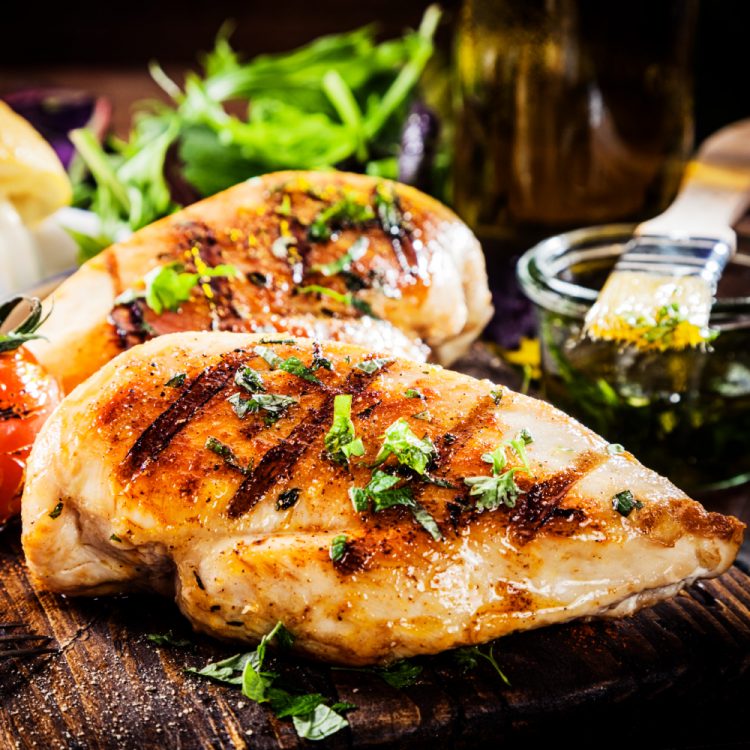
For non-vegetarians, skinless chicken breast is one of the most efficient sources of protein rich food for hair growth available.
Since hair is primarily made of keratin, including lean meats, eggs, dairy, legumes, and tofu in the diet supplies the necessary building blocks for strong strands.
How to use: Include grilled or baked chicken at dinner, roughly two to three times a week.
Soya Chunks and Tofu

Soya is genuinely the highest protein plant-based food available across Indian kitchens today.
A randomised, double-blind, placebo-controlled study published in Dermatology Practical and Conceptual found that a spermidine-based supplement prolonged the anagen phase, the active growth stage of a hair follicle, across 100 participants over 90 days.
How to use: Add soya chunks to a curry or dry sabzi twice a week, or stir-fry tofu as a paneer alternative.
Pumpkin Seeds

Pumpkin seeds are a concentrated source of zinc, protein, and iron packed into a small portion.
Zinc deficiency remains one of the most commonly overlooked contributors to hair fall among Indian patients, especially women with irregular diets.
How to use: Add one tablespoon of roasted pumpkin seeds as a daily mid-morning snack.
Walnuts and Almonds

Nuts deliver a useful combination of protein, healthy fats, zinc, and vitamin E for follicle health.
Walnuts specifically provide omega 3 fatty acids that help reduce scalp inflammation, a quieter driver of hair fall most people overlook.
How to use: Eat five to six almonds and two walnuts daily as a snack, soaking the almonds overnight if possible.
Spinach and Leafy Greens
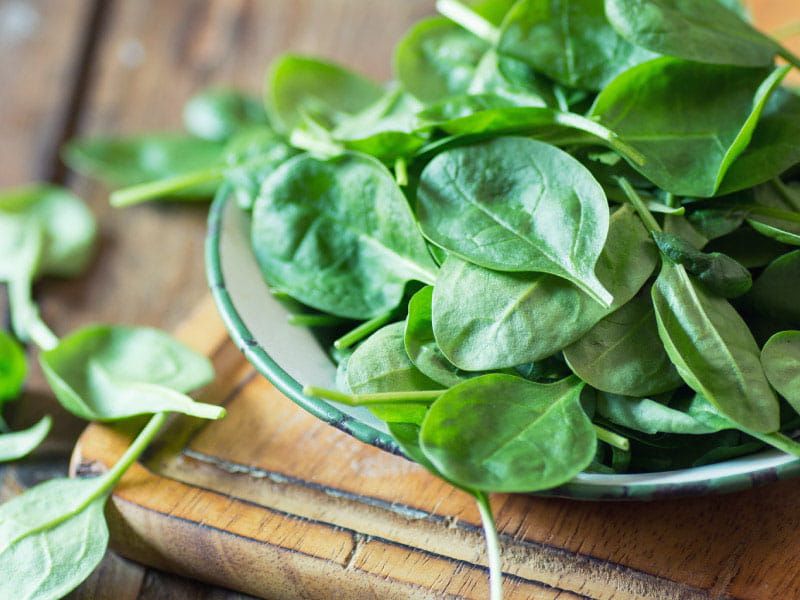
Palak does not provide much protein on its own, but it still earns its place on this list.
Its real value lies in supplying iron and folate, both essential for healthy red blood cell production.
Iron helps red blood cells carry oxygen throughout the body, and iron deficiency may itself cause hair loss.
How to use: Add palak sabzi, palak dal, or a handful of raw palak in soups three to four times weekly.
The Protein Gap in the Average Indian Diet
Most Indians eat their heaviest protein meal at lunch, typically in the form of dal and roti.
Breakfast is usually chai and toast, or poha with essentially no protein source.
Dinner tends to be light sabzi paired with just one or two rotis.
This pattern means hair follicles spend both morning and evening in a relative protein deficit.
Since follicles are among the most metabolically active cells in the entire body, this gap genuinely matters.
The fix here is fairly straightforward and does not require a complete diet overhaul.
Add protein to breakfast every single day, and make sure dinner includes at least one solid protein source.
This one change alone can make a meaningful difference to hair quality within roughly 8 to 12 weeks.
Other Nutrients That Work Alongside Protein
Protein rich food for hair growth works best when it is paired with the other nutrients follicles genuinely depend on.
Each nutrient listed below plays a distinct role, and skipping any single one limits how much protein alone can achieve.
|
Nutrient |
What It Does |
Best Indian Sources |
|
Iron |
Delivers oxygen to follicles |
Palak, moong dal, rajma, eggs |
|
Zinc |
Supports follicle repair and oil production |
Pumpkin seeds, sesame seeds, paneer |
|
Biotin |
Fuels keratin production |
Eggs, curd, almonds, sweet potato |
|
Vitamin C |
Boosts iron absorption, supports collagen |
Amla, lemon, sweet pepper, guava |
|
Omega 3 fatty acids |
Reduces scalp inflammation |
Walnuts, flax seeds, fatty fish |
|
Vitamin D |
Activates hair follicle growth phase |
Fatty fish, eggs, sunlight exposure |
Healeo Hair Health Coffee: Daily Support for Protein-Fed Follicles

Getting enough protein rich food for hair growth through diet alone takes planning and daily consistency.
On days when a fully nutrient-rich meal is not realistic, a targeted daily supplement can help fill that gap.
Healeo Hair Health Coffee is built around specific nutrients that dietary protein alone cannot fully address on its own.
It combines Pumpkin Seed Extract and Stinging Nettle, which support the DHT pathway linked to hair thinning and follicle miniaturisation.
Grape Seed Extract provides antioxidants that help protect follicles from ongoing oxidative stress.
Biotin contributes directly to keratin formation, while Hyaluronic Acid helps maintain a hydrated, healthy scalp environment.
Healeo ran its own pilot study described on the product page, involving 300 participants over three months.
One cup daily in the morning, alongside a protein rich breakfast, is the most effective way to use it. It is designed to work with your diet, not to replace it entirely.
Conclusion
Protein rich food for hair growth is not actually a complicated concept once you understand it.
Hair is fundamentally built from protein, so when the body does not get enough, hair suffers first. It is also usually the last thing most people think to fix through diet.
The most practical changes involve adding eggs or curd to breakfast every single day.
Rotate between moong dal, paneer, soya, and chicken for lunch and dinner throughout the week.
Snack on pumpkin seeds and soaked almonds through the day to round out your intake.
Give it a full 8 to 12 weeks of consistency before judging the results you see.
Hair grows slowly, so the improvements happening beneath the surface take real time to appear.
Eventually, though, those improvements do become clearly visible in the mirror.
FAQs
1. Which is the best protein rich food for hair growth in India?
Eggs are the most complete and bioavailable protein source for supporting hair growth.
Two eggs daily provide keratin-building amino acids, biotin, zinc, and selenium in one serving.
For vegetarians, moong dal, paneer, and curd together cover most of the protein and micronutrient requirements needed for healthy follicle function.
2. How does protein help with hair growth?
Hair is primarily made of keratin, which is itself a structural protein. When dietary protein is insufficient, the body diverts amino acids away from nonessential functions like hair production.
This slows growth, weakens strands, and increases shedding over time.
Adequate daily protein intake restores the building blocks follicles need to complete healthy growth cycles.
3. How much protein do I need daily for hair growth?
The general recommendation is 0.8 to 1 gram of protein per kilogram of body weight. For a 60kg person, that works out to roughly 48 to 60 grams daily.
Spreading this across three meals, particularly by adding protein to breakfast, produces noticeably better results than one large meal.
4. Can low protein cause hair fall?
Yes, protein deficiency is a well-documented and fairly common cause of hair loss.
When the body does not get enough dietary protein, it shifts amino acids away from hair production toward more urgent functions.
The result is increased shedding, slower regrowth, thinner strands, and hair that breaks more easily than usual.
5. Is paneer good for hair growth?
Yes, paneer provides approximately 18 to 20 grams of protein per 100 grams, alongside calcium and B vitamins.
It is one of the most practical high-protein foods available to vegetarian Indians.
Grilled or lightly cooked paneer, eaten three to four times a week, contributes meaningfully toward daily protein targets.
6. Which dal is best for hair growth?
Moong dal is generally the best choice among all commonly available dals. It provides plant protein, iron, zinc, and folate, all of which directly support follicle function.
It is also the easiest dal to digest, which improves nutrient absorption compared with heavier options.
Pairing it with lemon juice significantly boosts how much iron your body actually absorbs.
7. Are eggs the best food for hair growth?
Eggs are genuinely among the most complete hair growth foods currently available in any kitchen.
They provide complete protein, biotin for keratin production, zinc for follicle repair, and selenium for antioxidant protection.
Two eggs daily cover a meaningful share of the nutrients required for healthy hair growth without complex meal planning.
8. What happens if I eat protein rich food every day for hair?
Most people notice reduced shedding within roughly 4 to 6 weeks of consistent effort. Visible improvements in hair quality typically follow within 8 to 12 weeks of consistent high-protein eating.
Results depend heavily on starting nutritional status, with existing deficiencies often improving fastest.
Genetic or hormonal hair loss tends to respond more slowly, though changes are still often meaningful.
9. What is Healeo Hair Health Coffee, and how is it different from regular protein-rich foods?
Healeo Hair Health Coffee is a daily supplement designed to work alongside protein rich food for hair growth, not replace it.
While eggs, paneer, and moong dal supply the amino acids hair needs, Healeo Hair Health Coffee targets areas diet alone often misses, including the DHT pathway linked to follicle thinning, oxidative stress, and scalp hydration.
10. Can I drink Healeo Hair Health Coffee even if I already eat a high-protein diet?
Yes. A high-protein diet builds the raw material hair needs, but it does not directly address DHT-related thinning, scalp oxidative stress, or hydration, which is where Healeo is designed to help.
The two are meant to work together, with one cup taken daily in the morning alongside a protein-rich breakfast, rather than one replacing the other.
11. How long does it take to see results with Healeo Hair Health Coffee?
Healeo ran its own pilot study involving 300 participants over three months, in line with the same 8-12 week window generally expected for dietary and nutrient-based hair changes.
As with any nutrition-based approach, results depend on individual factors like starting hair health, consistency, and overall diet quality.
12. Is Healeo Hair Health Coffee safe to take daily?
For most healthy adults, one cup daily is considered the standard use.
However, anyone who is pregnant, breastfeeding, managing a medical condition, or currently taking medication should check with a doctor before adding any new supplement, including Healeo Hair Health Coffee to their routine.