




A diet chart for heart patients is one of the most important tools available for managing heart disease effectively over time, yet it's often the piece missing from medical advice.
Most people leave the cardiologist's office with a long list of foods to avoid and very little practical guidance on what to actually eat every day.
This guide focuses on real Indian meals like dal, sabzi, roti, and rice, structured into a diet chart for heart patients that directly supports heart health, manages blood pressure, and keeps cholesterol levels in check.
Every recommendation below is meant to work with how Indian households actually cook and eat, not against it.
Alongside this diet chart, small daily habits can meaningfully add to your heart's long-term health.
For a broader set of habits that support this same goal, read these tips to prevent heart disease and live longer.
At a Glance
|
Factor |
Detail |
|
Most important dietary goal |
Reduce saturated fat, sodium, and added sugar |
|
Best Indian foods for heart health |
Oats, moong dal, palak, amla, walnuts, flax seeds |
|
Foods to avoid completely |
Vanaspati, maida, packaged juice, red meat, excess salt |
|
Recommended diet pattern |
Mediterranean style adapted to Indian ingredients |
|
Daily sodium limit |
Under 2,300 mg per day |
|
Daily water intake |
2.5 to 3 litres |
|
How long before dietary impact |
8 to 12 weeks of consistent changes |
Why Diet Matters So Much for Heart Patients?

A cardiac diet reduces cardiovascular risk through heart-healthy, anti-inflammatory eating, per this Medical News Today overview.
It matters especially for Indian patients, since South Asians develop heart disease at younger ages and have lower BMIs than Western populations.
Diet directly shapes the three biggest risk factors, blood pressure, cholesterol, and inflammation, making a solid diet chart for heart patients one of the most effective non-drug tools available.
For quick daily habits alongside these dietary changes, see Healeo's 10 expert tips for a healthier heart.
What Should a Diet Chart for Heart Patients Include?
A cardiac diet isn't about giving up flavour or eating bland food forever. It's about shifting the balance of what fills your plate each day.
The goal is fewer refined grains, less bad fat, and more fibre. Manipal Hospitals and BLK-Max Hospital outline these same core principles for Indian patients.
Here is how those principles translate into a practical diet chart for heart patients.
1. Whole Grains Over Refined Grains

Swapping maida and white rice for whole grains is one of the easiest, highest-impact changes on this list.
A systematic review of clinical trials found that beta-glucan, the soluble fibre in oats, can lower LDL cholesterol by 5 to 10 percent within 4 to 6 weeks of daily use.
Best options: jowar roti, bajra roti, oats, brown rice, millet khichdi, and whole wheat roti.
Skip: maida-based bread, biscuits, and bakery items.
2. Fruits and Vegetables Daily

Aim for 4 to 5 servings a day, leaning toward non-starchy vegetables and going easy on starchy ones like potatoes.
Dr. Karthigesan's clinic guide to Indian diet charts for heart patients has more on how these fit into daily meals.
Best options: palak, methi, bhindi, lauki, tinda, broccoli, capsicum, tomatoes, amla, guava, papaya, citrus fruits
Daily habit: 1 fresh amla or half tsp amla powder, one of the richest natural vitamin C sources available
3. Healthy Fats Instead of Saturated and Trans Fats
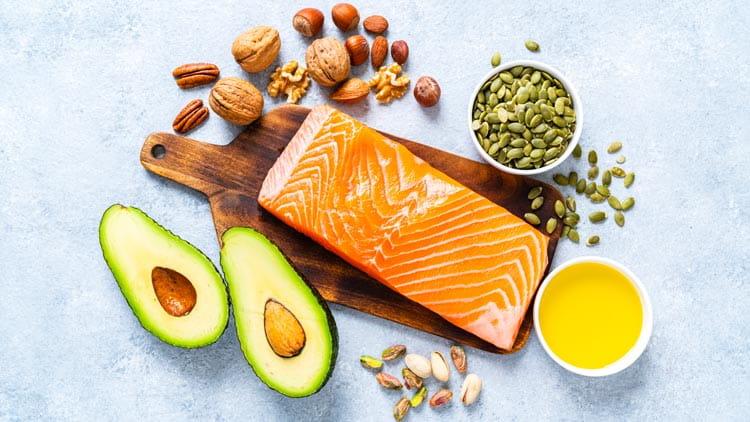
Vanaspati, dalda, and fried foods top the list of things to cut.
Per the American Heart Association's guidance on fats, trans fats raise LDL and lower HDL more than almost any other dietary fat, making them a direct driver of arterial inflammation.
Best options: cold-pressed mustard or groundnut oil for cooking, walnuts, flax seeds, chia seeds.
For non-vegetarians: mackerel and sardines are affordable, accessible omega-3 sources in India.
Skip: Vanaspati, dalda, deep-fried snacks
4. Plant Protein Over Animal Protein

The AHA's 2026 scientific statement on cardiovascular dietary guidance found that swapping red meat for plant protein improves heart risk factors with the biggest benefit when the swap is legumes, nuts, or seeds.
Best options: Moong dal, chana dal, toor dal, rajma (moderate portions), soya chunks, and low-fat paneer.
Minimise: Mutton, beef, and processed meats like sausages.
5. Low-Fat Dairy
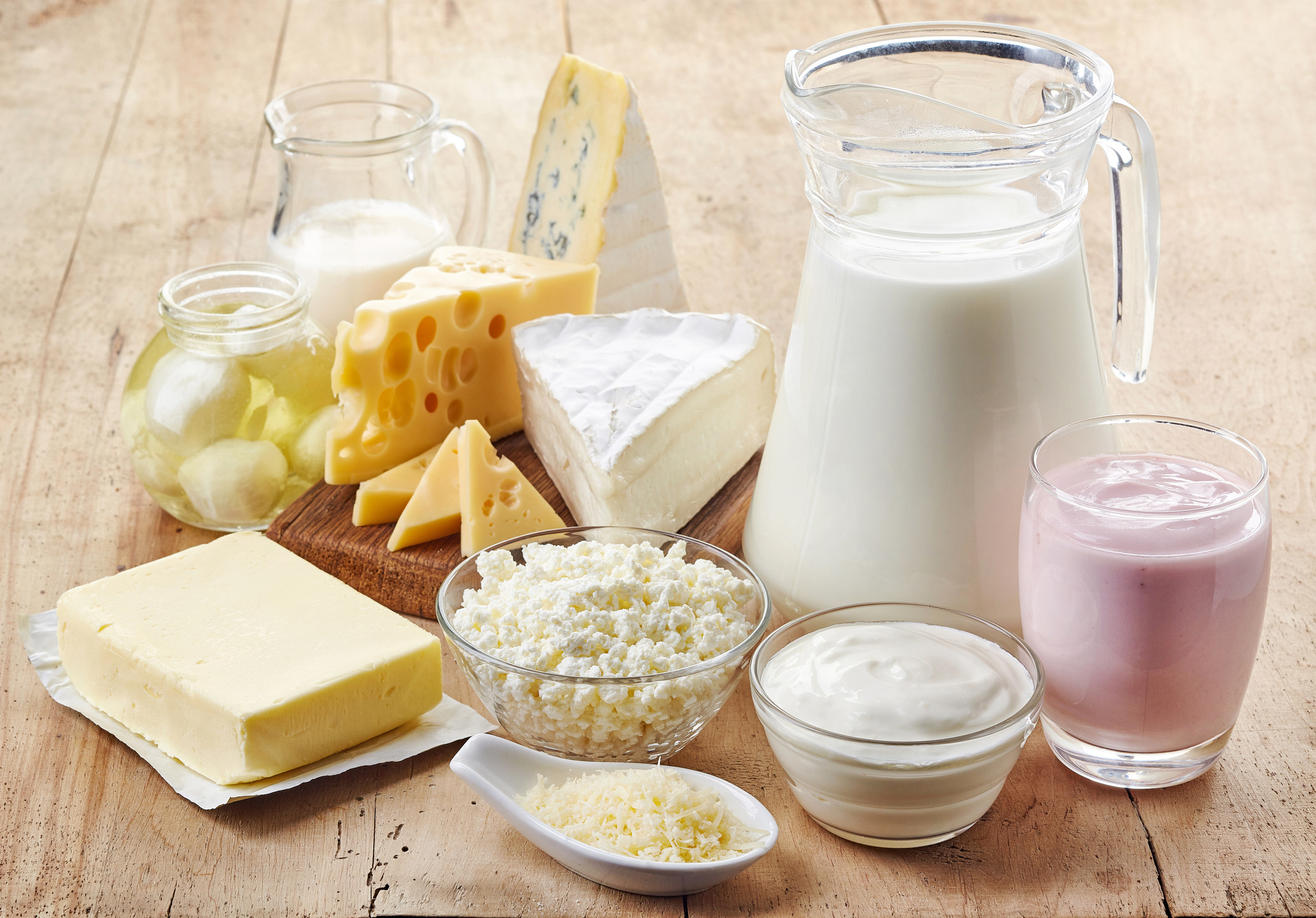
Full-fat cream, heavy paneer gravies, and excess butter add up fast.
The AHA's guidance on saturated fats recommends keeping saturated fat under 6 percent of daily calories, naming full-fat dairy as a major source alongside butter and red meat.
Best options: Toned or skimmed milk, plain low-fat curd, reduced-fat paneer, and curd-based gravies instead of cream.
Daily habit: 1 bowl of plain low-fat curd for protein and probiotics.
What Heart Patients Must Avoid?
A good diet chart for heart patients is just as clear on what to avoid as what to eat. Exclusions matter just as much as inclusions, especially during recovery.
For post-attack care, the Ace Heart Institute's diet chart covers stricter guidance than general prevention.
|
Food to Avoid |
Why It Harms the Heart |
|
Vanaspati and Dalda |
Trans fats raise LDL and contribute to arterial inflammation. |
|
Maida in all forms |
Refined carbs spike blood sugar and raise triglycerides. |
|
Packaged fruit juice and cold drinks |
High fructose content drives triglyceride production. |
|
Red and processed meats |
Saturated fat and sodium increase cardiovascular risk. |
|
Excess salt and namkeen |
Raises blood pressure, a primary driver of heart disease |
|
Alcohol |
Can raise blood pressure and triglycerides |
|
Commercial bakery items |
Often contain hidden trans fats and sodium |
|
Coconut oil in excess |
High in saturated fat, a particular concern for South Asians |
On salt specifically: research links high salt intake with elevated blood pressure, and reducing sodium can help lower cardiovascular risk over time.
Many packaged foods contain hidden sodium, so reading labels and choosing whole foods is one of the most effective controls available.
The daily sodium limit built into most diet chart for heart patients recommendations is under 2,300 mg, roughly one teaspoon of salt across all meals.
7-Day Diet Chart for Heart Patients
A few daily rules apply across this diet chart for heart patients: start with warm lemon or amla water, finish dinner before 7:30 PM, and drink at least 2.5 litres of water.
Replace packaged drinks and sweetened chai with jeera water or unsweetened green tea.

Approved snacks for all 7 days: 5 soaked almonds plus 2 walnuts, roasted chana, plain low-fat curd, cucumber with lemon and black salt, unsweetened green tea, or 1 small amla or guava.
Heart-Healthy Indian Foods: Quick Reference
These are the ingredients that show up most often in any credible diet chart for heart patients, and for good reason.
A cardiologist-recommended heart-healthy foods cover similar ground if you want a second opinion on which foods make the biggest difference.
-
Oats: Beta-glucan may help reduce LDL cholesterol
-
Walnuts: Omega-3 fatty acids may help reduce triglycerides and inflammation
-
Flax seeds: ALA omega-3 may help support healthy blood pressure
-
Amla: Vitamin C and polyphenols support antioxidant defence
-
Garlic: Studied for potential blood pressure and LDL benefits
-
Palak: Folate and potassium support healthy blood pressure
-
Haldi with kali mirch: Curcumin studied for anti-inflammatory effects on blood vessels
-
Moong dal: Low-fat plant protein with iron and folate
-
Green tea: Catechins studied for LDL and blood pressure support
Daily Support for Heart Patients: Healeo Healthy Heart Drops

A heart-healthy diet chart does the foundational work.
Some people also look for a daily herbal supplement to use alongside their diet chart for heart patients, and Healeo Healthy Heart Drops is one option formulated for this purpose.
What's inside?
Each serving blends L-carnitine for energy and circulation, grape seed extract and resveratrol for antioxidant support, CoQ10 for cellular energy, Terminalia arjuna to support heart function and blood pressure, and garlic extract for cholesterol and inflammation support, rounded out with B6, B12, folic acid, D3, and K2 for overall cardiovascular health.
How does it work?

The drops are placed under the tongue and held for 20 seconds before swallowing, once daily, for a minimum of three months.
This sublingual method is designed to bypass digestion for faster absorption than a standard tablet or capsule.
For anyone managing fatty liver alongside heart disease, our fatty liver diet plan covers the dietary overlap between the two conditions, which is more significant than most people realise.
Conclusion
A diet chart for heart patients does not require giving up Indian food.
It requires going back to the version of Indian cooking that existed before packaged snacks, refined flour, vanaspati, and sweetened beverages became daily habits.
Jowar roti, moong dal, palak, amla, walnuts, oats, and garlic are not exotic superfoods.
They are traditional Indian ingredients that happen to be among the most heart-supportive foods available.
The first week is the hardest. Remove the biggest triggers, add one or two heart-supportive foods daily, and give your body time to adjust. Building a diet chart for heart patients isn't a one-time exercise.
It should be reviewed alongside your numbers. Get your blood pressure, fasting lipid profile, and blood sugar checked before starting, and repeat at 8 weeks.
Read our guide on getting your blood pressure and cholesterol checked and walk through where and how often to do this.
For more on how uric acid connects to cardiovascular risk in Indian patients, read our guide on how to check uric acid.
FAQs
1. What is the best diet chart for heart patients in India?
A diet chart for heart patients in India focuses on whole grains like jowar and oats, plant proteins from moong dal and soya, healthy fats from walnuts and flax seeds, and daily fruits and vegetables, especially amla and palak.
It minimises vanaspati, maida, packaged juice, excess salt, and red meat.
2. Which Indian food is best for heart patients?
Oats, walnuts, flax seeds, amla, garlic, palak, moong dal, and green tea are among the most heart-supportive foods available in Indian kitchens, based on their fibre, antioxidant, and omega-3 content.
3. Is rice good for heart patients?
White rice in large portions can spike blood sugar and raise triglycerides.
Small portions of brown rice, about half a cup per meal, alongside dal and vegetables are generally acceptable.
Millet-based options like jowar and bajra roti provide more fibre and a lower glycaemic impact.
4. Can heart patients eat paneer?
Yes, in moderation. Low-fat paneer in 75 -100-gram portions provides plant protein without excessive saturated fat.
Heavy cream-based paneer gravies should be avoided; grilled or lightly cooked paneer with vegetables is a safer preparation.
5. How much salt can a heart patient eat per day?
Under 2,300 mg of sodium per day, roughly one teaspoon of salt across all meals and snacks, including hidden sodium in packaged foods, bread, biscuits, and namkeen.
Cooking from scratch at home is the most reliable way to control this.
6. Is ghee good or bad for heart patients?
In small quantities, around one teaspoon per meal, ghee is generally considered acceptable and provides some gut-supportive compounds.
Larger, regular quantities significantly raise saturated fat intake and should be limited.
7. Can heart patients drink coconut water?
Plain, fresh coconut water in moderate amounts is generally fine and provides potassium that supports blood pressure regulation.
Packaged versions with added sugar should be avoided, and coconut oil or milk in large quantities should be minimised due to saturated fat content.
8. What is the 7-day diet plan for heart patients in India?
The 7-day plan above replaces maida with jowar and bajra roti, white rice with small portions of brown rice or millet khichdi, packaged drinks with water and green tea, and heavy dal with light moong dal.
Breakfast features oats or chilla, lunch includes a whole-grain roti with sabzi and dal, and dinner is kept light and completed before 7:30 PM.
9. Is banana good for heart patients?
Yes, in moderation. One small banana provides potassium and magnesium that support healthy blood pressure and heart rhythm.
Sticking to one banana as a snack, rather than multiple servings, is a reasonable approach.
10. Is Healeo Healthy Heart Drops safe to take with heart medication?
It is recommended a minimum 90-minute gap between the drops and any prescribed medication to avoid interaction.
If you're on blood pressure or cholesterol medication, check with your doctor before starting.
11. How long before Healeo Healthy Heart Drops show results?
It is recommended using it daily for a minimum of three months for full benefit.
Note that specific performance figures cited by the brand are manufacturer-reported and haven't been independently verified, so individual results may vary.
12. Can heart patients eat eggs?
Whole eggs in moderation, around 3 to 4 per week, are generally considered safe for most heart patients, since dietary cholesterol has a smaller effect on blood cholesterol than saturated fat does.
Egg whites can be eaten more freely if a stricter limit has been advised. Boiled or lightly cooked eggs are a better choice than fried preparations in butter or excess oil.
Anyone with diabetes or existing high cholesterol should confirm the right quantity with their doctor, since individual tolerance can vary.


