



Fatty liver grade 3 means more than 66 percent of your liver cells carry fat. It is the highest grade on an ultrasound scale that stops at three.
What it does not tell you is whether your liver is inflamed or scarred, because grade measures fat alone.
That is the part most people get wrong, and it is why a grade 3 report frightens people far more than it needs to.
Most people find out at this stage the same way they found out at grade 1: a routine blood test or an ultrasound done for something else entirely.
The good news is that the liver can still repair itself at grade 3, but the window is narrower and the approach needs to be more deliberate than it does at earlier stages.
This guide covers every question people ask about fatty liver grade 3, from whether it is dangerous to what recovery actually looks like.
At a Glance
|
Question |
Quick Answer |
|
Is fatty liver grade 3 dangerous? |
Yes, it carries real risk, though grade measures fat rather than damage. |
|
Main symptoms |
Fatigue, right-side abdominal pain, bloating, nausea |
|
Key blood markers |
ALT, AST, and GGT elevated, sometimes bilirubin |
|
Can it be reversed? |
Yes, with consistent diet change, weight loss, and medical support |
|
Recovery timeline |
3 to 12 months of sustained lifestyle change |
|
Treatment approach |
Diet, exercise, weight loss, and medication where needed |
|
Recovery food |
Moong dal, amla, karela, haldi, leafy greens, whole grains |
|
When to see a doctor |
Immediately if you have grade 3, do not wait for symptoms. |
What Is Fatty Liver Grade 3?

Fatty liver is graded from 1 to 3 based on how much of the liver is affected by fat deposits.
Grade 1 is mild; less than 33 percent of liver cells are affected. Grade 2 is moderate. Between 33 and 66 percent of cells are involved.
Fatty liver grade 3 is severe. More than 66 percent of liver cells carry fat, and the liver is significantly enlarged and inflamed.
Grade 3 tells you about fat, not damage. Inflammation and scarring are separate findings, picked up through liver enzymes, a FibroScan, or in some cases a biopsy.
The grade alone cannot tell you which you are. This scar tissue is called fibrosis. If fibrosis spreads widely, it becomes cirrhosis, which is irreversible.
This is why fatty liver grade 3 is worth acting on quickly. More fat means more risk of inflammation setting in, and inflammation is what leads to scarring over time.
Grade 4 does not exist as a clinical classification. What comes after grade 3 is cirrhosis, which is a different and far more serious condition.
To understand how fatty liver progresses and what makes it dangerous, read our guide on is fatty liver dangerous.
Is Fatty Liver Grade 3 Dangerous?
Yes. Fatty liver grade 3 is dangerous in a way that grade 1 and grade 2 are not.
At earlier stages, the liver is accumulating fat but still functioning relatively well. At grade 3, active inflammation is damaging liver cells.
The body is trying to repair the damage by laying down scar tissue, and that scar tissue does not function the way healthy liver tissue does.
Research confirms that NASH, the inflammatory form of fatty liver, significantly increases the risk of progression to cirrhosis, liver failure, and liver cancer over time.
Fatty liver grade 3 also raises cardiovascular risk. The metabolic dysfunction driving liver fat accumulation affects the heart, blood vessels, and insulin sensitivity simultaneously.
The danger is not inevitable. People reverse fatty liver grade 3 with sustained effort.
But the danger is real, and it deserves to be taken seriously rather than managed with half-measures.
Fatty Liver Grade 3 Symptoms
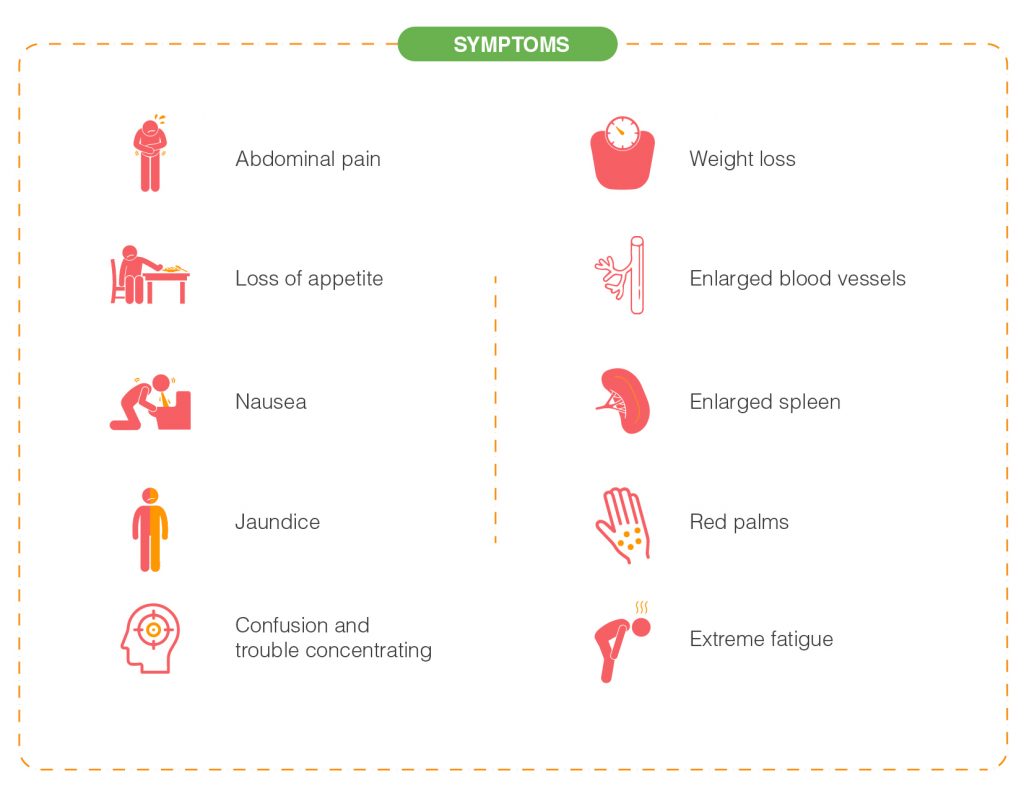
These symptoms don't typically appear at the fatty liver stage.
They signal that the liver has progressed to significant scarring or decompensated cirrhosis, and they warrant immediate medical attention.
-
Abdominal pain: Persistent or worsening pain, distinct from the mild discomfort seen earlier, can indicate a stretched liver capsule, fluid buildup, or complications requiring evaluation.
-
Loss of appetite: A marked, ongoing disinterest in food reflects the liver's declining ability to support normal digestion and metabolism.
-
Nausea: Frequent or persistent nausea, especially alongside other symptoms on this list, points to a liver under significant strain.
-
Jaundice: Yellowing of the skin or eyes means the liver can no longer clear bilirubin effectively, a sign that liver function itself, not just liver fat, has been compromised.
-
Confusion and trouble concentrating: Known as hepatic encephalopathy, this occurs when a failing liver can't filter toxins like ammonia from the blood, allowing them to affect brain function.
It's a serious, late-stage complication, occurring in roughly 30 - 40% of people with cirrhosis. -
Unexplained weight loss: Losing weight without trying, particularly with muscle wasting, reflects the liver's reduced ability to process nutrients and maintain normal metabolism.
-
Enlarged blood vessels: Visibly swollen, spider-like veins radiating from the abdomen, known as caput medusae, develop when scarring blocks normal blood flow through the liver, forcing blood through alternate vessels near the skin.
-
Enlarged spleen: As liver scarring increases pressure in the portal vein, the spleen can swell in response and is often picked up on imaging or a physical exam.
-
Red palms: Palmar erythema, a reddening of the palms, is linked to hormonal changes that occur when a damaged liver can't metabolise certain hormones normally.
-
Extreme fatigue: Fatigue that is severe, unrelenting, and unresponsive to rest reflects a more significant decline in liver function than the fatigue seen at earlier stages.
The symptoms above are not typical of fatty liver grade 3 itself. They indicate the disease has progressed to significant scarring (cirrhosis) and require urgent medical evaluation.
Does Fatty Liver Grade 3 Affect Life Expectancy?
This is the question most people search for, but few articles answer directly.
Fatty liver grade 3 without progression to cirrhosis does not significantly reduce life expectancy when it is managed well.
The liver retains the ability to repair itself at this stage, and people who make sustained dietary and lifestyle changes can and do achieve full or near-full reversal.
The risk to life expectancy increases significantly if grade 3 progresses to cirrhosis. Cirrhosis raises the risk of liver failure, liver cancer, and cardiovascular events meaningfully.
The practical answer is this. Life expectancy at fatty liver grade 3 depends almost entirely on what happens next.
People who act on the diagnosis, make consistent changes, and work with their doctor have a genuinely good prognosis.
People who continue the habits that caused grade 3 are at real risk of progression.
One documented case shows a Mumbai man who reversed grade 3 fatty liver in three months with the right intervention.
Read also: Sanchita Banerjee's journey reversing grade 3 fatty liver for a detailed account of what recovery from fatty liver grade 3 looks like in practice.
Treatment: What Actually Works
There is currently no approved medication that directly removes fat from the liver at any grade.
Treatment is a combination of dietary change, physical activity, weight loss, and in some cases medication for complications.
-
Weight loss: Losing 7 to 10 percent of body weight produces measurable reductions in liver fat and inflammation. At grade 3, this is the single most impactful intervention available. Even modest weight loss changes the liver's trajectory.
-
Dietary change: Removing the inputs that caused fat to accumulate is the first step. Maida, packaged juice, alcohol, and sweetened drinks come out completely. The replacement plate is built around whole Indian foods that actively support liver repair.
-
Physical activity: A 30-minute walk after dinner meaningfully improves insulin sensitivity and reduces liver fat over time. At grade 3, daily movement is not optional.
-
Medical monitoring: At grade 3, regular liver function tests and ultrasounds are necessary. Your doctor may prescribe medication for insulin resistance, high cholesterol, or inflammation depending on your specific markers.
-
Vitamin E: In non-diabetic adults with NASH, Vitamin E has shown some benefit in clinical settings. This is a doctor-prescribed intervention, not a supplement to self-administer.
For a complete week-by-week dietary approach, read our 21-day fatty liver diet plan.
What to Eat for Recovery?
Recovery food for fatty liver grade 3 follows the same principles as earlier grades but with greater urgency. Every meal either supports liver repair or slows it.
What To Remove Completely?
Maida in any form, packaged fruit juice, alcohol, vanaspati and dalda, sweetened chai more than once a day, and processed snacks.
Packaged juice is the one most people miss. A 200ml glass of packaged mango drink carries close to 30 grams of sugar, with no fibre to slow how fast it hits the liver.
What To Build The Plate Around?

-
Moong dal: the lowest purine load of all dals, easy to digest, and high in methionine, which supports liver detox pathways. Have it as a light soup at dinner instead of heavier dals.
-
Amla: Rebuilds glutathione, the liver's primary antioxidant. Half a teaspoon of amla powder in warm water on an empty stomach is one of the highest-impact morning habits for fatty liver grade 3 recovery.
-
Karela: Improves insulin sensitivity directly. Insulin resistance is the core driver of fat accumulation at grade 3. Twice a week stir-fried with minimal oil or as juice on an empty stomach.
-
Haldi with kali mirch: Curcumin reduces liver inflammation at the cellular level. Black pepper increases its absorption significantly. Add daily to curries or as haldi milk at night.
-
Leafy greens: Palak, methi, and other greens support methylation pathways the liver uses to detoxify. A large serving at lunch is the easiest way to build this in.
-
Whole grains: Jowar, bajra, brown rice, and oats over maida and white rice. Fibre slows glucose absorption and reduces the liver's fat conversion burden.
-
Low-fat dairy: Curd, chaas, and low-fat milk. Dairy protein is associated with lower liver enzyme levels and supports the liver's detox function.
For a full Indian food guide built specifically for newly diagnosed patients, read our fatty liver diet plan.
How Long Does Recovery Take?
Recovery time for fatty liver grade 3 is longer than for earlier grades because more repair is required.
|
Timeframe |
What to Expect |
|
Weeks 1 to 4 |
Reduced bloating, better digestion, improved energy |
|
Weeks 4 to 8 |
ALT and AST levels begin to improve on blood tests. |
|
Weeks 8 to 16 |
Inflammation reduces, and liver enzymes approach the normal range. |
|
Months 4 to 6 |
Fat reduction visible on ultrasound in many cases |
|
Months 6 to 12 |
Grade improvement is possible with consistent sustained change. |
These timelines assume consistent dietary change, daily movement, and appropriate medical monitoring.
They are not guaranteed outcomes. Individual results depend on starting enzyme levels, weight, genetics, and how completely the dietary changes are implemented.
The most important thing to understand about fatty liver grade 3 recovery time is that the liver needs consistent conditions, not perfect ones.
Missing one day does not undo progress. Returning to old habits for a week does.
Support Your Fatty Liver Recovery with Healeo Liver Detox Coffee

Diet handles what goes in. The liver still has to clear what has already accumulated. Daily support during recovery helps that process.
Healeo Liver Detox Coffee is built around three ingredients with genuine research behind them for liver health.
Milk Thistle stabilises liver cell membranes, reduces inflammation, and has shown measurable reductions in ALT and AST in clinical studies. It is one of the most extensively researched hepatoprotective compounds available.
Dandelion Root Extract stimulates bile production and activates the liver's natural detox enzyme pathways.
Picrorhiza Kurroa Root Extract is an Ayurvedic herb that supports liver function and helps lower enzyme levels.
No sugar, no artificial ingredients: just one scoop in hot water, 20 minutes before breakfast.
In an internal pilot study, participants with fatty liver grades 1 to 3 who used Healeo Liver Detox Coffee consistently alongside dietary changes reported improvements in liver enzyme levels and overall liver health after 12 weeks.
It works best as an addition to the dietary changes in this guide, not as a replacement for them. If you are on medication, pregnant, or have kidney disease, check with your doctor before adding any supplement.
Conclusion
Fatty liver grade 3 is the most serious stage of fatty liver disease that still responds to intervention. The liver is inflamed, scar tissue has begun to form, and the window for reversal is narrower than at earlier grades.
But the window is open. People reverse fatty liver grade 3 with consistent dietary change, daily movement, appropriate medical monitoring, and targeted daily support.
Start with what comes off the plate: maida, packaged juice, alcohol, and vanaspati. Build the replacement plate around moong dal, amla, karela, haldi, leafy greens, and whole grains. Walk for 30 minutes daily. Get your ALT and AST tested now and repeat in 8 weeks.
The liver will repair itself when the conditions are right. Fatty liver grade 3 is serious enough to act on today and reversible enough to be worth acting on.
FAQs
1. Is fatty liver grade 3 reversible?
Yes, fatty liver grade 3 is still reversible in most cases. The liver retains the ability to repair itself at this stage.
Consistent dietary change, weight loss of 7 to 10 percent, daily movement, and medical monitoring produce measurable improvement in 6 to 12 months for most people who follow through completely.
2. What are the symptoms of fatty liver grade 3?
The most common symptoms are persistent fatigue, dull pressure or pain in the upper right abdomen, nausea, loss of appetite, and persistent bloating.
Many people also have significantly elevated ALT and AST on blood tests. In more advanced cases, a yellowish tinge to the skin or eyes may appear.
3. Is fatty liver grade 3 dangerous?
Yes. Grade 3 means a high fat load, which raises the risk of inflammation and, over time, scarring. Whether either has already started is a separate test, not something the grade tells you.
It raises the risk of progression to cirrhosis, liver failure, and cardiovascular complications. The danger is manageable with the right intervention but should not be minimised.
4. What is the recovery time for fatty liver grade 3?
Most people see improvement in blood test markers within 4 to 8 weeks of consistent dietary change.
Visible fat reduction on ultrasound typically takes 4 to 6 months. Grade improvement, meaning moving from grade 3 to grade 2, can take 6 to 12 months of sustained effort.
Individual timelines vary based on starting markers, weight, and consistency.
5. What is the best medicine for fatty liver grade 3?
There is no approved medication that directly removes liver fat at any grade. Treatment focuses on dietary change, weight loss, and physical activity.
For NASH, some doctors prescribe Vitamin E in non-diabetic patients. Medication for insulin resistance or high cholesterol may be added depending on your blood markers.
Always follow your doctor's guidance.
6. What foods help reverse fatty liver grade 3?
The most effective recovery foods are moong dal, amla, karela, haldi with black pepper, leafy greens, whole grains like jowar and bajra, and low-fat dairy.
These support liver detox pathways, reduce inflammation, and improve insulin sensitivity. Remove maida, packaged juice, alcohol, and vanaspati completely before adding anything.
7. Can fatty liver grade 3 lead to grade 4?
Grade 4 is not a clinical classification for fatty liver. What comes after grade 3 is cirrhosis, which is a different and far more serious condition.
Cirrhosis is largely irreversible. This is why fatty liver grade 3 requires immediate and sustained action rather than a gradual approach.
8. How often should I test my liver enzymes at grade 3?
Get a baseline ALT, AST, and GGT test now if you have not already. Repeat in 8 weeks to check whether dietary changes are producing measurable improvement.
Your doctor may recommend an ultrasound at 3 to 6 months to assess fat levels. Do not wait for symptoms to worsen before testing.
9. Can I exercise with fatty liver grade 3?
Yes, and exercise is one of the most important interventions at this stage. Start with a 30-minute walk daily if you are not currently active.
Build toward 150 minutes of moderate activity per week. Exercise improves insulin sensitivity directly, which reduces the liver's fat accumulation cycle.
Avoid very intense exercise if you have significant fatigue or other complications.
10. Does Healeo Liver Detox Coffee help with fatty liver grade 3?
Healeo Liver Detox Coffee contains Milk Thistle, Dandelion Root, and Picrorhiza Kurroa, three ingredients with research support for liver enzyme reduction and liver cell protection.
It works best alongside the dietary changes described in this guide. It is not a standalone treatment for fatty liver grade 3 and does not replace medical monitoring or dietary change.
11. Can I take Healeo Liver Detox Coffee alongside my fatty liver medication?
Healeo Liver Detox Coffee is formulated as a daily herbal support, not a medication.
If you are on prescription medication for liver function, insulin resistance, or cholesterol, check with your doctor before adding any supplement, since herbal ingredients can interact with certain drugs.
12. How long before I notice a difference with Healeo Liver Detox Coffee?
In Healeo's internal pilot study, participants using it consistently alongside dietary changes reported improvements in liver enzyme levels after 12 weeks.
Individual results vary, and it is meant to work alongside the diet and lifestyle changes in this guide, not instead of them.