



Poha is one of India's most beloved breakfast dishes, quick to make, easy on the stomach, and genuinely comforting. But if you are trying to lose weight, you have probably wondered whether this simple flattened rice dish is helping or hurting your progress.
The short answer is yes, poha can support weight loss when eaten the right way. Here is everything you need to know.
At a Glance
|
Area |
Key Takeaway |
|
Weight Loss Verdict |
Poha is good for weight loss when portioned right and cooked with minimal oil |
|
Calories |
260 to 300 kcal per 200g cooked serving |
|
Best Time to Eat |
Morning or lunch; avoid at night |
|
Best Type to Use |
Thick poha (jada poha) for a lower glycaemic response |
|
Boost Your Results |
Pair with Healeo Fat Burner Coffee for a metabolism-friendly morning |
What Is Poha and Why Do So Many Indians Eat It?

[Source: Fitterfly]
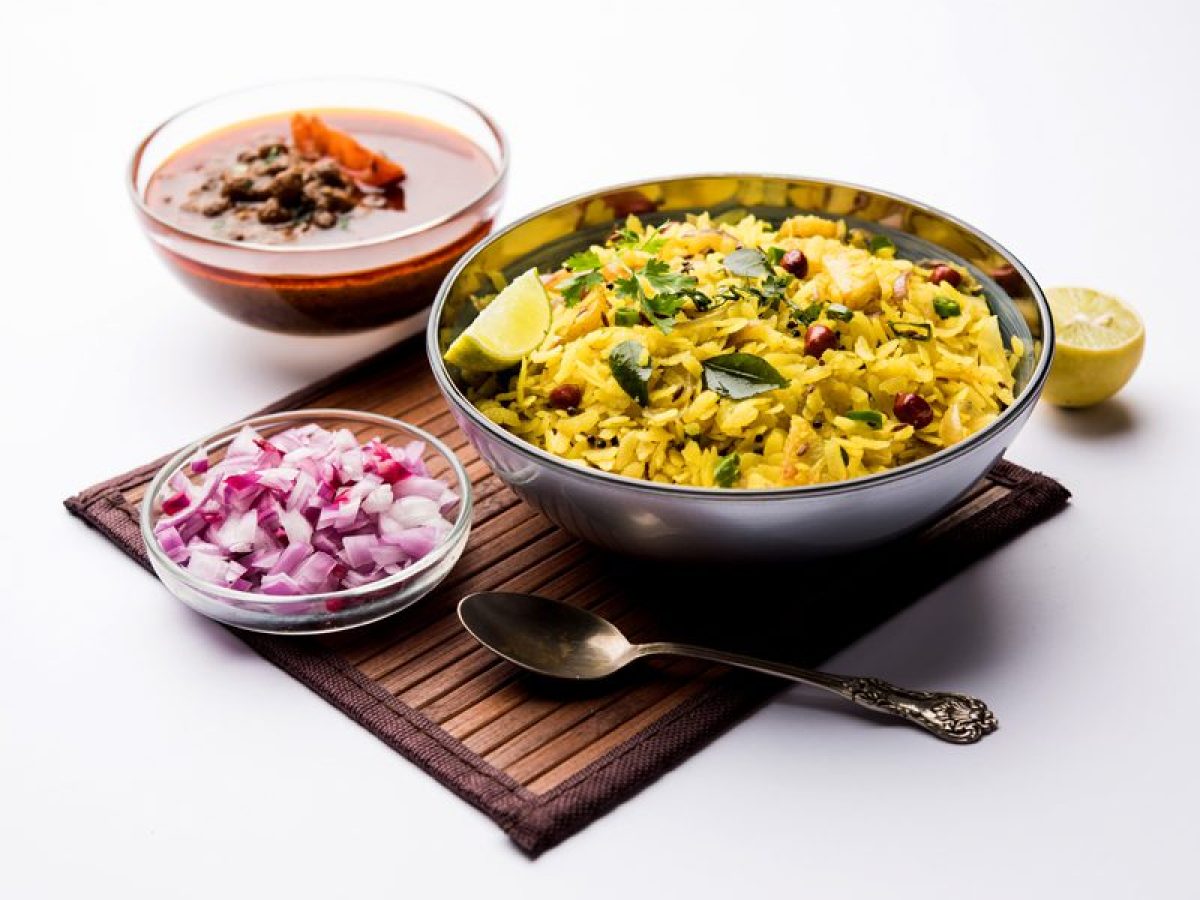
Poha is made from flattened or beaten rice, known as chivda or pawa in many Indian households. It is typically cooked with mustard seeds, curry leaves, onion, green chillies, turmeric, and a squeeze of lemon. Some versions include peas, peanuts, or vegetables.
It is light, low in fat, and quick to digest, which is exactly why it has been a morning staple across Maharashtra, Madhya Pradesh, and Gujarat for generations.
Is Poha Good for Weight Loss?
Yes, poha is good for weight loss when consumed in a mindful portion and prepared with minimal oil. It is low in calories, moderate in carbohydrates, and filling enough to prevent mid-morning hunger.
A standard serving of poha (roughly 150 to 200 grams cooked) contains approximately 250 to 300 calories, depending on the ingredients used. That makes it one of the lighter Indian breakfast options available.
Here is why poha fits well into a weight loss diet:
-
It has a low fat content when made with one teaspoon of oil or less
-
It digests easily without causing heaviness or bloating
-
It provides steady energy without triggering a sharp blood sugar crash
-
It is naturally gluten-free, making it suitable for those with gluten sensitivity
-
It keeps you full for two to three hours, reducing the urge to snack early
Read to know if paneer is good for weight loss.
What Does the Nutritional Breakdown of Poha Look Like?
Poha is a moderate-carb, low-fat food with useful amounts of iron. Its calorie count is significantly lower than most cooked Indian breakfast options.
|
Nutrient |
Per 100g Raw Poha |
Per 200g Cooked Serving |
|
Calories |
130 to 150 kcal |
260 to 300 kcal |
|
Carbohydrates |
30 to 33g |
45 to 50g |
|
Protein |
2 to 3g |
5 to 6g |
|
Total Fat |
0.5 to 1g |
4 to 6g (with oil) |
|
Dietary Fibre |
1 to 1.5g |
2 to 3g |
|
Iron |
2 to 3mg |
4 to 5mg |
|
Sodium |
Minimal |
Depends on salt added |
|
Glycaemic Index |
55 to 70 |
Lower with protein additions |
How Does Poha Compare to Other Common Indian Breakfasts?
Poha is one of the lowest-calorie, most digestible cooked Indian breakfast options available. Compared to other popular choices, it consistently comes out ahead on fat content, calorie count, and ease of digestion.
|
Breakfast |
Calories (Approx.) |
Protein |
Fat |
GI Range |
Good for Weight Loss? |
|
Poha (200g cooked) |
260 to 300 kcal |
5 to 6g |
4 to 6g |
55 to 70 |
Yes, strong choice |
|
Plain Paratha x2 (with ghee) |
450 to 520 kcal |
7 to 9g |
18 to 22g |
70 to 80 |
Not ideal |
|
Idli x3 (with sambar) |
200 to 250 kcal |
7 to 9g |
2 to 3g |
50 to 60 |
Yes, excellent |
|
Upma (200g cooked) |
250 to 280 kcal |
5 to 6g |
6 to 8g |
65 to 75 |
Moderate |
|
Puri Bhaji (2 puris) |
550 to 650 kcal |
8 to 10g |
22 to 28g |
75 to 85 |
No |
|
Bread Toast x2 (with butter) |
280 to 320 kcal |
6 to 7g |
10 to 14g |
70 to 80 |
Not ideal |
|
Oats Porridge (200g cooked) |
180 to 220 kcal |
6 to 8g |
3 to 4g |
45 to 55 |
Yes, excellent |
|
Dosa (plain, 2 medium) |
250 to 300 kcal |
5 to 7g |
4 to 6g |
55 to 65 |
Yes, good choice |
|
Aloo Paratha x1 (with curd) |
350 to 400 kcal |
7 to 9g |
12 to 16g |
70 to 78 |
Not ideal |
Key takeaways from this comparison:
-
Poha and idli are the most balanced options overall, low in fat and moderate in calories
-
Oats have the lowest GI and highest fibre but take longer to prepare and are less culturally familiar for daily use
-
Paratha, puri bhaji, and aloo paratha are significantly higher in fat and calories and should be occasional rather than daily choices
-
Poha has a clear advantage over upma and toast on fat content when cooked with minimal oil
-
Dosa is comparable to poha in calories but its nutritional quality depends heavily on the oil used on the tawa
Does Ayurveda help in weight loss? Read more here.
What Are the Benefits of Poha for Weight Loss?
Poha supports weight loss through its low calorie density, moderate glycaemic index, and digestive ease. It is one of the few Indian breakfast staples that ticks multiple weight management boxes at once.

-
Low calorie, high volume: A generous plate for under 300 calories signals fullness without overeating
-
Moderate GI: Does not spike blood sugar as sharply as white rice or maida-based foods; pairing with protein lowers the glycaemic load further (Source: Harvard T.H. Chan School of Public Health)
-
Easy digestion: The flattening process partially breaks down the rice, reducing gut stress and supporting a healthier metabolism
-
Iron content: Poha is a meaningful source of iron, which reduces fatigue and helps you stay active throughout the day (Source: NIH Iron Fact Sheet)
-
Gluten-free: A safe, satisfying option for those avoiding wheat-based breakfasts
-
Versatile base: Easy to make more nutritious by adding vegetables, legumes, or eggs
Is Poha Good for Overall Health Too?
Yes. Beyond weight loss, poha supports gut health, iron levels, heart health, and sustained energy, making it a genuinely functional everyday food.
-
Gut-friendly: Light on digestion, unlikely to cause bloating; often recommended for acidity and IBS
-
Iron and vitamin C combination: Lemon juice added to poha significantly improves iron absorption, benefiting women at risk of anaemia
-
Sustained energy: Complex carbohydrates in poha release energy gradually, unlike sugary cereals or white bread
-
Heart-friendly: Minimal cholesterol and low fat content make it a good option for cardiovascular health
-
Budget-accessible: Widely available and affordable across India, making good nutrition practical for everyone
Learn why weight loss becomes harder with age.
How Should You Eat Poha for Weight Loss?
Prepare poha with minimal oil, added protein, and plenty of vegetables. These five small changes make the biggest difference to your results.

The way you prepare poha matters as much as the food itself. Here are the changes that make the biggest difference:
-
Use less oil: Most home recipes use two to three teaspoons of oil. Cutting it to one teaspoon saves 80 to 120 calories per meal.
-
Add protein: Peanuts are already a traditional addition and they add healthy fat and protein. You can also stir in sprouted moong, tofu, or a boiled egg on the side to make the meal more balanced.
-
Load up on vegetables: Carrots, capsicum, peas, and spinach add volume and fibre without meaningfully increasing calories. More fibre means longer satiety.
-
Use thick poha over thin poha: Thick flattened rice has a slightly lower glycaemic index and holds its texture better when cooked, making it the smarter choice for weight management.
-
Watch your portion: One cup of dry poha (about 100g uncooked) is a sufficient serving. Going beyond that adds up quickly.
What Are the Best Poha Recipes for Weight Loss?
The best weight-loss poha recipes are high in protein, loaded with vegetables, and made with minimal oil. These four variations are practical, flavourful, and genuinely filling.
1. Vegetable Protein: Poha Soak thick poha, drain, and cook with mustard seeds, curry leaves, onion, carrot, capsicum, and peas in one teaspoon of oil. Add turmeric, roasted peanuts, and lemon. Top with sprouted moong for extra protein.
2. Egg Poha: Prepare basic poha, then scramble one or two eggs in the same pan before mixing together. Adds 12 to 14 grams of protein per serving and dramatically improves satiety.
3. Spinach and Peanut Poha: Add two handfuls of chopped spinach after softening the onions. Spinach contributes iron, folate, and fibre with almost zero calories. Finish with roasted peanuts and lemon.
4. Oats and Poha Mix: Replace half the poha with rolled oats. The combination lowers the overall glycaemic response and increases fibre, making it a strong option for those managing blood sugar alongside weight goals.
Read more about Indian diet chart for weight loss for females.
Is Poha Good for Weight Loss at Night?
Poha is best eaten in the morning or as a light lunch. At night, your metabolism naturally slows down and your body requires fewer carbohydrates. Eating a carbohydrate-heavy meal close to bedtime, even a relatively light one like poha, can interfere with fat burning during sleep.
If you are asking is poha good for weight loss and also eating it at dinner regularly, consider switching to a higher-protein, lower-carb evening meal and saving poha for your mornings.
Can You Pair Poha and Healeo's Fat Burner Coffee for Weight loss?
Yes. If you are using a metabolic support supplement like Healeo's Fat Burner Coffee, pairing it with a light breakfast like poha is a smart strategy. Poha provides steady-release carbohydrates that fuel your morning without spiking insulin, which creates a better environment for fat-burning compounds to work.

Starting your morning with Healeo Fat Burner Coffee 20 to 30 minutes before or alongside your poha breakfast gives your metabolism a clean activation, especially if you are also incorporating morning movement into your routine.
Read to know if Healeo's Fat Burner Coffee has any side effects.
Conclusion
So, is poha good for weight loss? The evidence says yes, when it is prepared simply, portioned correctly, and eaten at the right time of day. It is one of the few traditional Indian breakfast options that checks all the boxes: low in fat, moderate in calories, easy to digest, and versatile enough to make it more nutritious with a few smart additions.
The key is to treat poha as a foundation and build on it. Add protein, pile in vegetables, go easy on the oil, and pair it with a metabolism-supporting routine. Done right, poha is not just comfort food; it is genuinely good food for your goals.
FAQs:
1. Is poha good for weight loss every day?
Yes. Daily poha is fine when portioned to 100g dry and cooked with minimal oil and added protein. It is balanced enough for regular consumption.
2. Is poha better than oats for weight loss?
Oats have more fibre and protein. But poha is lower in calories per serving and easier to digest, making it a strong alternative for those who find oats too heavy.
3. Does poha cause bloating?
Rarely. Poha is one of the lightest grains to digest and is often recommended for sensitive stomachs and those recovering from illness.
4. Which type of poha is best for weight loss?
Thick poha (jada poha). It has a lower glycaemic index than thin poha and produces a steadier blood sugar response after eating.
5. Can I eat poha if I have diabetes?
Yes, with care. Use thick poha, control portions, and always add protein and vegetables to lower the glycaemic load. Consult your dietitian for personalised guidance.
6. Is poha good for weight loss when made with peanuts?
Yes. Peanuts add protein and healthy fat, both of which slow digestion and improve satiety. They are a traditional addition that makes poha more weight-loss-friendly, not less.
7. How many calories does one plate of poha have?
A 200g cooked serving made with one teaspoon of oil and peanuts contains approximately 260 to 300 calories. Reducing oil brings it closer to 220 calories.
8. Is poha good for weight loss compared to idli?
Both are light options. Idli has a slight protein advantage due to urad dal and a lower GI. Poha is quicker to prepare and easier to load with vegetables and legumes.
9. Can I eat poha before a workout?
Yes. Poha eaten 60 to 90 minutes before exercise provides good carbohydrate fuel without sitting heavy in the stomach. Add a protein source for better muscle support.
10. Does poha have iron?
Yes. Poha is a solid source of dietary iron. Adding lemon juice to your preparation significantly improves iron absorption, which is especially beneficial for women managing fatigue or mild anaemia.