



When it comes to shedding extra kilos, fad diets and extreme workouts may grab attention, but it’s the science of weight loss that truly matters.
At its core, weight loss is a biological process driven by caloric deficit: burning more calories than you consume. But there’s much more beneath the surface.
The science behind losing weight revolves around how your body metabolises food, regulates hormones like insulin and leptin, and converts stored fat into usable energy.
It’s not just about cutting calories; it's about understanding how macronutrients (carbs, protein, fats) interact with your metabolism.
At a Glance
| Questions | Answers |
|---|---|
| Can you gain weight while eating clean? | Yes, oil, ghee and sweetened chai add calories most people never count. |
| Why does the scale stop moving after a few weeks? | Your body burns fewer calories as you get lighter. |
| Can poor sleep make you hungrier? | Yes, it raises the hunger hormone and lowers the fullness hormone. |
| Do weekends really undo weekday progress? | Yes, extra eating on weekends can stall weight loss completely. |
| Can stress alone add belly fat? | Yes, high cortisol pushes fat storage toward the abdomen. |
Beyond just the scale, the science beyond weight loss also focuses on muscle retention, metabolic rate, gut health, and even the role of stress and sleep. When these elements are aligned, your body becomes more efficient at burning fat sustainably.
Understanding the science of losing weight empowers you to make smarter choices like balancing protein intake, staying hydrated, and timing your meals. This is where weight loss science meets lifestyle, helping you build habits that support long-term success instead of short-term fixes.
What Are the 10 Challenges of Weight Loss?
Maintaining weight loss can often be more challenging than losing the weight itself, and studies show that many individuals regain the lost weight within 2 to 3 years. This happens because significant weight loss involves major changes in diet, exercise and lifestyle, and sustaining that progress requires a long term commitment to those habits even after the goal is reached.
Most diets fail in the long run because fad diets and trendy weight loss hacks promise quick results, and while they might help you shed a few kilos initially, the weight usually returns once you go back to your normal routine. Sustainable weight loss is about adopting habits you can maintain for life, so if your plan involves extreme restrictions or routines you cannot see yourself following for years, the results are unlikely to last.
Beyond fad diets, several physiological, behavioural and environmental factors can quietly hold back your progress, and you can also read more about the common struggles of weight loss and how to solve them. Here are the 10 most common challenges that stop people from losing weight.

1. You Might Be Eating More Than You Think
According to the science behind weight loss, precision in tracking is essential, because hidden calories can cancel out your deficit even on a clean diet:
- Cooking Oils and Ghee: Oil in tadkas and frying, or ghee on rotis, adds calories that rarely get counted.
- Beverages and Dressings: Sweetened chai, packaged juices and salad dressings are often left out of the daily total.
- Portions and Unlogged Snacks: Misjudged servings and forgotten snacks between meals add up quickly. (source)
2. Lack of Consistency
According to the science of weight loss, consistent habits work better than short term intensity, and frequent lapses slowly undo your weekly progress:
- Cheat Meals That Turn Into Cheat Days: One planned treat often stretches into a full day of indulgence.
- Weekend Binges: Eating out and social gatherings can push your weekly intake above what weekdays balance.
- Missed Workouts: Skipping a few sessions often turns into skipping weeks and breaks your routine. (source)
3. Plateaus Are Normal
A plateau is a normal part of the science behind losing weight, as your metabolism slows down to conserve energy when your body gets lighter. Here is how to move past it:
- Recalculate Your Calorie Needs: The intake that created a deficit earlier may now match your maintenance.
- Try Calorie Cycling: Alternating lower and higher calorie days keeps a weekly deficit while being easier to sustain.
- Increase NEAT: Walking during calls, taking the stairs and doing chores burns calories without a workout. (source)
4. Not Enough Physical Activity
The science of losing weight emphasizes both diet and movement, since nutrition creates the deficit while activity accelerates fat burn and supports lean muscle:
- Cardio: Brisk walking, cycling or swimming burns calories during the session itself.
- Strength Training: Building lean muscle raises your resting metabolic rate so you burn more even at rest.
- HIIT: Short bursts of intense effort burn a high number of calories in less time. (source)
5. Not Getting Enough Sleep
As per modern weight loss science, poor sleep is a silent saboteur that affects your body in three key ways:
- Hunger Hormones: Lack of sleep raises ghrelin and lowers leptin, leaving you hungrier with stronger cravings.
- Weaker Willpower: A tired brain finds it harder to resist sugary and high calorie foods.
- Slower Recovery: Muscles take longer to recover after workouts, lowering your overall energy expenditure. Aim for 7 to 9 hours of uninterrupted sleep to support hormonal balance and metabolism. (source)
If you feel low on sleep, or you’re turning sides all night, here is Healeo’s Melatonin+ Sleep Drops, which give you a restful and deep sleep!
6. High Stress Levels
Stress can quietly hinder weight loss even when your diet and workouts are on track, in these ways:
- Raised Cortisol: High cortisol may encourage fat storage, particularly around the abdomen.
- Emotional Eating: Stress triggers cravings for comfort food, making a deficit harder to maintain.
- Rushed Food Choices: On overwhelming days, takeaway and packaged snacks replace balanced meals.
Meditation, yoga or relaxation techniques can help manage stress and support your goals. (source)
7. Underlying Health Conditions
Certain medical conditions can make it harder to lose weight, even with proper diet and exercise. These include:
- Hypothyroidism: The thyroid gland doesn’t produce enough hormones, leading to a slow metabolism.
- Polycystic Ovary Syndrome (PCOS): Raised androgen levels often lead to stubborn weight gain around the midsection.
- Insulin Resistance or Prediabetes: Cells respond poorly to insulin, so the body makes more of it and stores more fat.
If you suspect an underlying condition, consult a healthcare provider to rule out any issues. (source)
8. Hormonal Imbalances
Hormones regulate hunger, fat storage and metabolism, and women experience shifts at different life stages that can affect weight loss:
- Menstrual Cycle: Estrogen and progesterone changes can bring water retention, bloating and cravings before your period.
- Pregnancy and Postpartum: Hormonal shifts change how the body stores fat, and weight often takes time to settle.
- Menopause: Falling estrogen moves fat storage toward the abdomen and reduces muscle mass.
Hormonal contraceptives can also affect weight in some women, so discuss any concerns with your doctor. (source)
9. Gut Health and the Microbiome
Emerging research shows that an imbalance in gut bacteria can affect how your body absorbs nutrients and stores fat. These habits can disturb that balance:
- Low Fiber Intake: Too few vegetables, fruits, whole grains and pulses starve beneficial bacteria.
- Few Fermented Foods: Skipping curd, buttermilk and fermented idli or dosa batter means fewer live cultures.
- Highly Processed Foods: Frequent packaged and sugary foods feed less helpful bacteria.
Probiotics and fiber rich foods can promote a healthy gut, potentially supporting weight loss. (source)
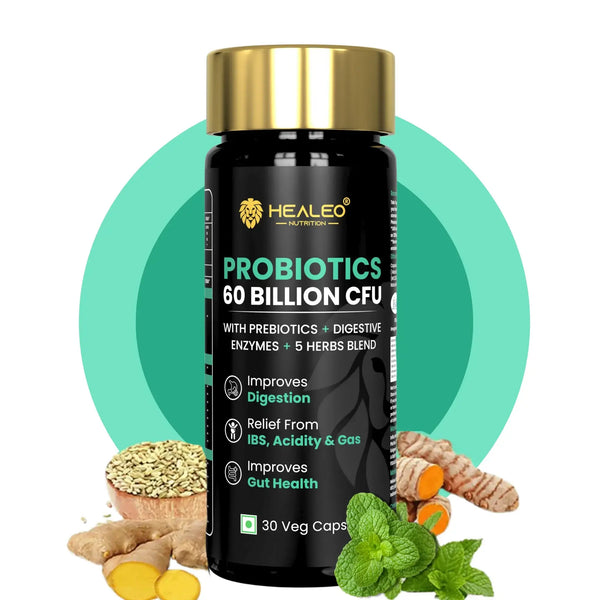
You can also rely on probiotic supplements like Healeo's Probiotic 60 Billion CFU to boost your gut health and improve your digestive system.
10. Inconsistent Eating Patterns
Irregular eating habits can affect your metabolism and confuse your natural hunger cues:
- Skipping Meals: Missing breakfast or lunch leaves you low on energy and reaching for quick snacks later.
- Irregular Meal Timing: Eating at different times each day disrupts your body clock and hunger signals.
- Intermittent Fasting Without a Plan: For some people, long gaps lead to overeating once the eating window opens.
Regular, balanced meals can help control hunger and maintain a healthy metabolism. (source)
Factors Behind Weight Loss
Human Metabolism
At its core, weight loss revolves around metabolism the bodily process that converts what you eat and drink into energy. During this complex process, the calories in food and beverages combine with oxygen to release the energy needed for bodily functions.
Everyone's metabolism operates at different rates, influenced by factors such as age, sex, muscle mass, and physical activity level. Recognizing how these elements impact your metabolic rate is crucial to managing weight effectively. (source)
Know how these foods will help you in your weight loss journey
The Role of Diet in Weight Loss
Diet plays a significant role in weight loss, mainly through the balance of energy in versus energy out - a concept known as 'caloric deficit'. This involves understanding the role of macronutrients (proteins, carbohydrates, fats) and micronutrients (vitamins, minerals) in our diet.
Proteins help build muscle, carbohydrates provide energy, and fats support cell growth. Also, fibre and water play significant roles in maintaining satiety, thus aiding in weight loss.
Different diets impact weight loss variably, and it's important to choose a diet plan that suits individual health needs and lifestyles. (source)
Know your protein intake for weight loss!
Understanding the Role of Genetics in Weight Loss
Genetics also play a role in body weight regulation by affecting factors such as metabolism, fat storage, and hunger. Some individuals may find it harder to lose weight due to these genetic influences.
However, the emerging field of epigenetics suggests lifestyle factors can alter how genes affect weight.
How to Break Through and Start Losing Weight?
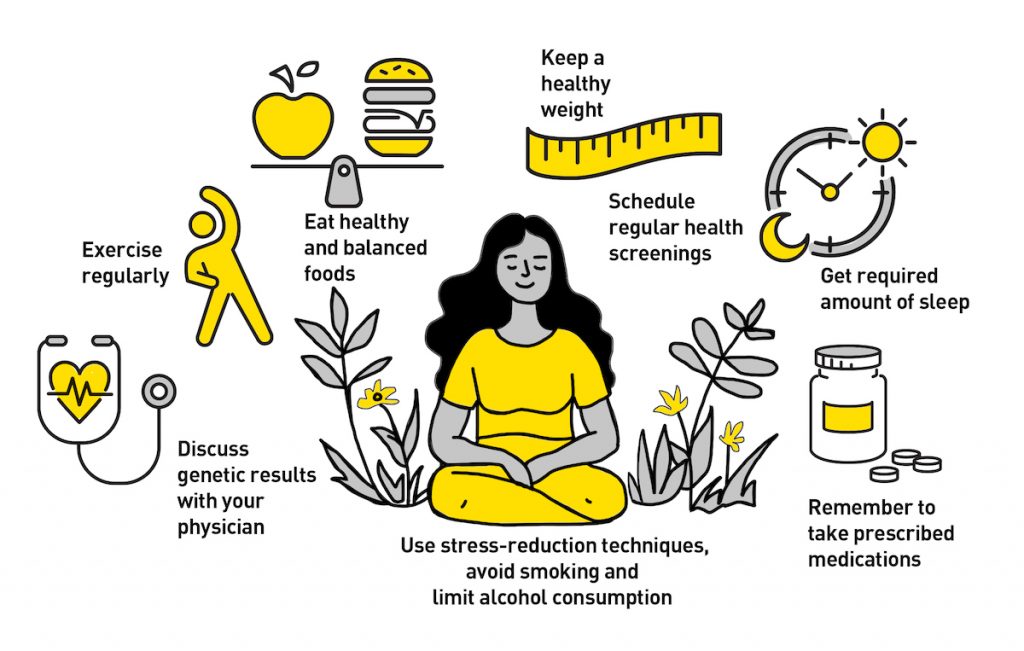
After knowing why you are not losing weight, you must be wondering and eager to know what you can do to get out of these vicious weight losing patterns, so here are a few simple and practical tips you can follow to start losing weight.
-
Track Your Calories: Use a food journal or app to track what you're eating and ensure you're in a caloric deficit.
-
Increase Physical Activity: Add more intense workouts or increase your activity level through daily steps and resistance training.
-
Prioritize Sleep and Stress Management: Ensure you're getting enough rest and managing stress to balance your hormones.
-
Consult a Healthcare Provider: If you suspect a medical or hormonal issue, consult with a doctor to get personalized advice.
For an extra boost, consider using Healeo's Fat Burner Coffee, to support your weight loss journey.
Health Risks of Rapid Weight Loss and Obesity
Obesity is a serious health condition linked to numerous health problems. These include heart disease and stroke, owing to increased chances of high blood pressure and cholesterol.
Type 2 diabetes is primarily caused by obesity, but can be managed or prevented through weight loss, a healthy diet, and regular physical activity.
Obesity also raises the risk for various types of cancer, gallbladder disease, osteoarthritis, sleep apnea, fatty liver disease, kidney disease, and complications during pregnancy. (source)
Ready to Lose Weight? Don't Miss These 10 Weight Loss Myth Busters!
On the other hand, while weight loss can lead to improved health, losing weight too rapidly can also pose health risks.
Rapid weight loss can result in nutrient deficiencies due to reduced calorie intake, and loss of muscle mass instead of fat.
It also raises the risk of developing gallstones, severe dehydration, electrolyte imbalances affecting heart rhythm, changes in blood pressure leading to dizziness and fainting, and can cause hair and skin problems due to a lack of essential nutrients.
Regardless of the circumstances, consulting with a healthcare provider is always recommended to safely and effectively manage health changes.
Read more about how much water to drink for effective weight loss.
Conclusion
In conclusion, the science of weight loss extends far beyond the simple adage of 'eat less, move more'.
It involves a complex interplay of metabolism, diet, physical activity, psychology, genetics, hormones, the microbiome, and more.
Sustainable weight loss requires a comprehensive, balanced approach tailored to individual needs. As research advances, we may discover even more about the intricacies of weight loss and better strategies to promote health and wellness.
So it is best to take note of all the factors before you embark on the journey of losing weight and include a balanced healthy diet, regular exercise and Healeo's Fat Burner Coffee for visible results.
FAQs
1. What is the real science of weight loss?
The science of weight loss centers around creating a caloric deficit burning more calories than you consume. However, it also includes how hormones, metabolism, sleep, stress, and genetics interact with your body’s fat-burning ability.
Sustainable weight loss isn’t just about dieting; it's about understanding the body’s internal systems and aligning your lifestyle with long-term metabolic health.
2. How fast is it safe to lose weight?
Losing about 0.5 to 1 kg per week is considered safe and sustainable for most people. Faster loss usually comes from water and muscle rather than fat, and it is far more likely to come back once the diet ends.
3. Does metabolism really slow down with age?
Research suggests metabolism stays fairly stable between the ages of 20 and 60 and declines gradually after that. Weight gain in your 30s and 40s is more often linked to less movement, muscle loss and changing habits than to age alone.
4. Is it better to cut carbs or fat for weight loss?
Both can work, because the science of weight loss depends on your overall calorie deficit more than the type of diet. The best plan is the one you can follow consistently while still getting enough protein, fiber and nutrients.
5. How much protein do I need to lose weight?
Most people trying to lose weight benefit from around 1.2 to 1.6 g of protein per kg of body weight daily. Protein keeps you full for longer and helps protect muscle while you are eating in a deficit.
6. What is the science beyond weight loss most people overlook?
The science beyond weight loss explores gut health, genetic predisposition, and psychological factors like emotional eating. These elements often go unnoticed but significantly impact fat loss and maintenance.
A healthy gut microbiome, positive mindset, and personalized nutrition plan can make a major difference in long-term weight management.
7. Why do people hit weight loss plateaus even after dieting?
The science behind losing weight shows that plateaus occur when your body adjusts to a lower weight, slowing metabolism to conserve energy.
To overcome this, you may need to increase strength training, change meal timing, or cycle your calories. Progress may slow but plateaus are part of the body’s natural adaptation process.
8. Can you lose weight without exercising?
Yes, a calorie deficit through diet alone can lead to weight loss. However, without exercise you are more likely to lose muscle along with fat, which makes it harder to keep the weight off later.
9. Why do I weigh more the morning after a heavy meal?
A salty or carb heavy meal makes your body hold extra water, which shows up on the scale the next day. This is not fat gain, and the number usually settles within two to three days once you return to your normal routine.
10. Is there a difference between losing weight and fat loss in weight loss science?
Absolutely. The science of losing weight distinguishes between overall weight loss (which may include water or muscle) and fat loss.
Focusing on fat loss through strength training, adequate protein, and metabolic conditioning ensures a healthier body composition and preserves muscle mass during the weight loss process.