




If you want to remove tar residue after smoking, understanding how smoking affects your lungs is an important first step. Tar is a complex mixture of chemicals produced when tobacco burns, and continued smoking can contribute to lung and respiratory damage.
While the lungs have natural mechanisms for clearing mucus and inhaled particles, quitting smoking is the most important step to prevent further exposure and support lung health.
This guide explains what tar residue is, how smoking affects the lungs, and practical ways to support your respiratory health after quitting.
At a Glance
|
Topic |
Key Takeaways |
|
What is tar? |
Sticky toxic byproduct of tobacco with 7,000+ chemicals |
|
When it forms |
From the very first cigarette |
|
Health risks |
Lung cancer, COPD, heart disease, chronic bronchitis |
|
Healing timeline |
Starts within 48 hours of quitting |
|
Removal methods |
Hydration, exercise, steam, antioxidant diet |
|
Best supplement |
Healeo Lung Forte, 18 herbs and vitamins |
|
Quit smoking. |
Gradual reduction, herbal remedies, mindfulness |
What is Tar Residue?
Tar residue is a thick, sticky brown or black substance produced when tobacco burns. It can accumulate with repeated exposure, affecting the airways and lung tissue.
Before learning how to remove tar residue, it is important to understand what tar is and how continued exposure can affect your lungs.
Here’s what makes tar so harmful:
-
Chemical Overload: Tar contains over 7,000 chemicals, including arsenic, formaldehyde, and benzene, many of which are carcinogens directly linked to cancer.
-
Clogged Airways: It sticks to the bronchial tubes and alveoli, narrowing passages and making breathing more difficult.
-
Scarring and Stiffness: Tar damages delicate lung tissues, reducing their elasticity and oxygen exchange capacity.
-
Visible Damage: It permanently stains and scars lung tissue, much like it stains walls and teeth.
How Are a Smoker's Lungs Different from a Non-Smoker's Lungs?
Tar residue can contribute to changes in the structure and function of the lungs.
Comparing smoker's lungs with healthy lungs helps explain why taking steps to remove tar residue and prevent further tobacco exposure is important for long-term respiratory health.
|
Feature |
Healthy Lungs |
Smoker's Lungs |
|
Colour & Texture |
Pink, soft |
Grey or black (source) |
|
Alveolar Damage |
Clear, functional |
Clogged and scarred (source) |
|
Mucus |
Normal levels |
|
|
Lung capacity |
Full |
Progressively reduced (source) |
|
Disease risk |
Low |
High (COPD, cancer, bronchitis) (source) |
Why is Tar Residue Harmful?
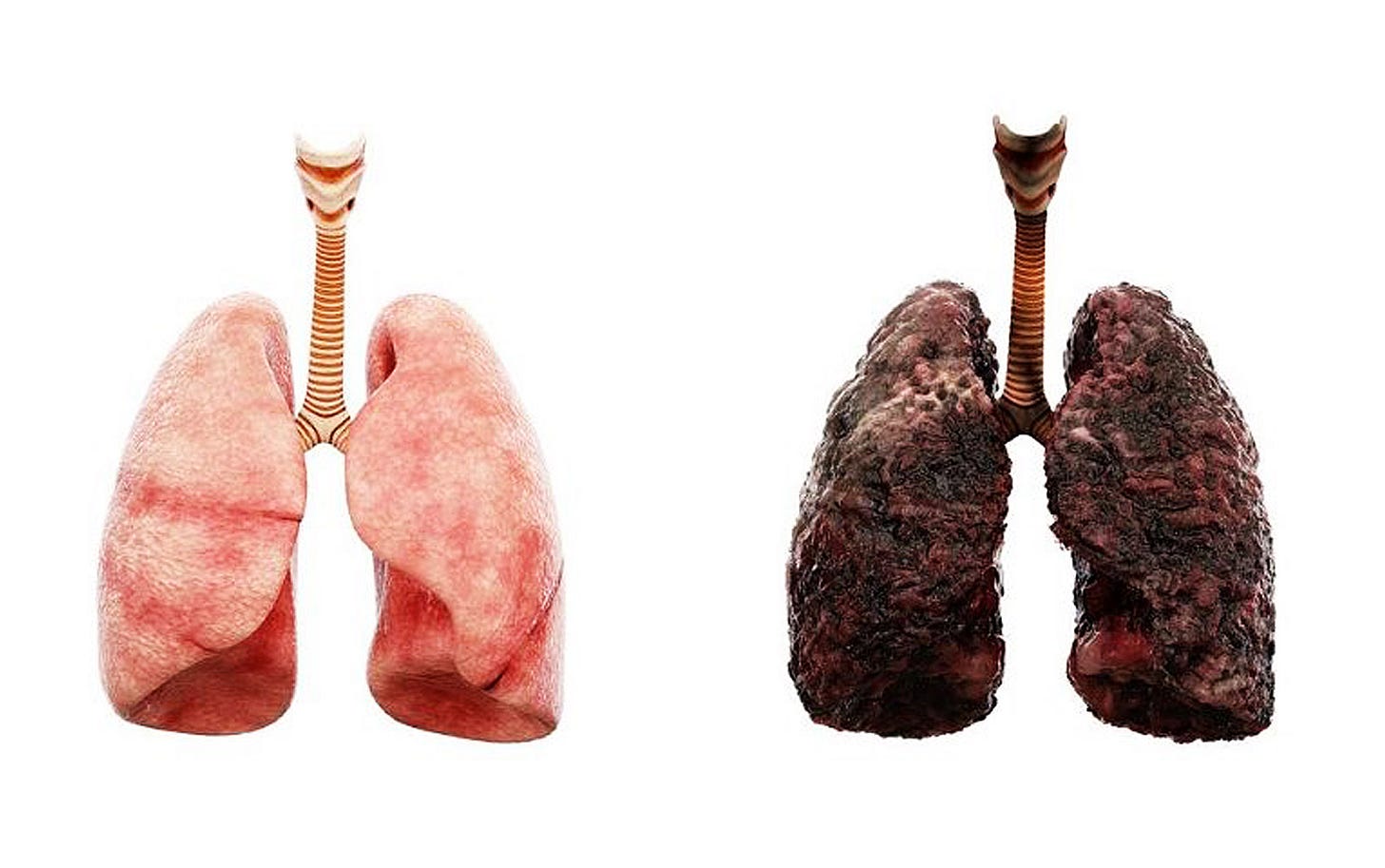
Tar is more than a sticky byproduct of smoking. It is a complex mixture of thousands of chemicals that can harm the respiratory system and increase the risk of serious diseases.
Understanding these effects is essential when looking at ways to remove tar residue and protect lung health.
-
Cancer: At least 70 of tar's 7,000+ chemicals are proven carcinogens, including benzene, arsenic, and formaldehyde, increasing the risk of lung, throat, bladder, and esophageal cancers.
-
Blocked Airways: Tar narrows bronchial tubes, traps mucus and dust, and causes chronic wheezing and shortness of breath.
-
Weakened Immunity: Tar destroys cilia, the hair-like structures that sweep toxins out of the lungs, leaving smokers vulnerable to recurring infections.
-
Chronic Disease: Long-term tar buildup directly causes emphysema, chronic bronchitis, COPD, and lung cancer.
-
Systemic Damage: Tar particles enter the bloodstream, damaging blood vessels and increasing the risk of heart disease and stroke.
When Does Tar Start Forming in the Lungs?
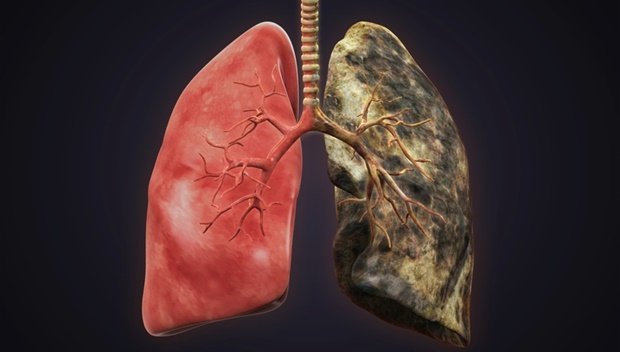
Tar exposure begins with the burning of tobacco, including from the very first cigarette. With repeated exposure, the body's natural defences can become overwhelmed, allowing harmful substances to accumulate.
The earlier you quit smoking and start supporting your lung health, the better positioned your body is to remove tar residue and recover from continued tobacco exposure.
-
Early Stage (Weeks to Months): Tar begins coating airways almost immediately. The body tries to fight back using cilia, and damage at this stage is still partially reversible, making it the best time to start a lung detox.
-
Moderate Stage (Years of Smoking): Tar sticks more persistently, alveoli become clogged, and inflammation turns chronic, leading to smoker's cough, wheezing, and reduced stamina.
-
Long-Term Stage (Decades of Smoking): Tar accumulation can become irreversible. Even so, quitting at this stage slows further damage and significantly improves quality of life.
Know more about how smoking affects your health.
How Long Does it Take for Lungs to Heal?
The moment you quit smoking, your lungs begin healing.
While some improvements happen within days, efforts to remove tar residue and support lung recovery are gradual processes that depend on your lifestyle, diet, and overall lung health.

|
Time After Quitting |
What Happens |
|
48 hours |
Cilia begin regenerating, improving the lungs' natural cleaning system (source). |
|
3 months |
Airways become less inflamed, lung capacity improves, and mucus production decreases (source). |
|
9 months to 1 year |
Chronic coughing reduces significantly, and lung tissue elasticity returns (source). |
|
1 to 5 years |
Risk of COPD, bronchitis, and lung cancer drops considerably (source). |
How to Remove Tar Residue from Lungs After Smoking?
If you want to remove tar residue after smoking, it is important to understand that the process cannot happen overnight.
Quitting smoking and adopting healthy habits such as staying hydrated, exercising, eating a balanced diet, and maintaining good oral hygiene can support your body's natural recovery.

The most effective natural methods include staying hydrated, regular exercise, steam inhalation, eating antioxidant-rich foods, and maintaining oral hygiene and clean surroundings.
1. Brush Your Teeth and Tongue:
Tar particles can accumulate in your mouth and throat after smoking.
Brushing and tongue scraping regularly support oral hygiene and can help reduce tobacco residue in the mouth as you work to remove tar residue and protect your overall respiratory health.
2. Stay Hydrated
Water thins mucus, making it easier for the lungs to expel trapped tar. Herbal teas like peppermint, thyme, and licorice root provide additional respiratory cleansing benefits.
3. Exercise Regularly
Cardio exercises like running, swimming, or brisk walking improve cardiovascular fitness and help your lungs work more efficiently.
Regular physical activity can also support mucus clearance and overall recovery as you work to remove tar residue after smoking.
4. Steam Inhalation
Inhaling warm steam loosens sticky tar deposits and opens up airways. Adding eucalyptus or peppermint enhances the anti-inflammatory benefits.
5. Eat Antioxidant-Rich Foods
Berries, leafy greens, turmeric, and ginger combat oxidative stress caused by tar and support the body's natural detox process.
6. Keep Your Environment Clean
Tar particles cling to clothes, bedding, and surfaces. Washing regularly and avoiding smoking indoors reduces reinhalation and protects lung function.
What Are the Natural Ways to Quit Smoking?
Quitting smoking is the single most effective step toward preventing additional tar buildup in your lungs.
Natural methods like gradual reduction, herbal remedies, and mindfulness help manage cravings and withdrawal symptoms without nicotine replacement products, supporting the process of removing tar residue after smoking over time.
-
Gradual Reduction: Slowly reduce your daily cigarette count and increase smoke-free intervals to minimise withdrawal symptoms like irritability and headaches. (source)
-
Herbal Remedies: Lobelia reduces nicotine dependence, while peppermint, ginger, and green tea ease throat irritation and support lung detox. (source)
-
Mindfulness and Meditation: Yoga, deep breathing, and meditation help manage stress, one of the most common smoking triggers, and prevent relapse. (source)
How Does Healeo Lung Forte Help in Removing Tar Residue After Smoking?
Healeo Lung Forte is a natural supplement specifically crafted to support lung recovery and aid in removing tar residue after smoking.
Its blend of 18 herbs and vitamins works together to break down sticky tar deposits, reduce airway inflammation, and strengthen lung tissue for long-term respiratory resilience.

-
Marshmallow Leaf: Soothes inflamed airways and reduces irritation caused by tar buildup.
-
Vasaka (Adhatoda vasica): Has documented mucolytic properties that help break down and expel mucus.
-
Quercetin: A potent antioxidant that reduces oxidative damage caused by tar exposure.
-
Pine Bark Extract: Supports circulation and tissue repair in tar-damaged lung tissue.
-
Stinging Nettle: Reduces airway inflammation and supports the body's natural detox process.
Regular use promotes clearer breathing, improved lung capacity, and long-term respiratory health.
Conclusion
Removing tar residue after smoking is a gradual journey, but every small step brings your lungs closer to recovery.
Quitting smoking, staying hydrated, exercising, eating antioxidant-rich foods, and supporting your lungs with supplements like Healeo's Lung Forte all work together to break down tar, reduce inflammation, and restore lung function.
The earlier you start, the greater your chances of preserving lung health and preventing long-term respiratory disease. Your lungs have an incredible ability to repair themselves with the right habits and care.
FAQs
1. What is the best way to quit smoking naturally?
Gradual reduction, regular exercise, herbal remedies like lobelia and peppermint, mindfulness practices, and staying hydrated are the most effective natural ways to quit smoking and manage withdrawal symptoms without nicotine replacement products.
2. How long does it take for lungs to heal after quitting smoking?
Healing begins within 48 hours. Lung capacity improves by 3 months, chronic coughing reduces by 9 months to 1 year, and disease risk drops significantly between 1 and 5 years.
3. Can herbal remedies help with quitting smoking?
Yes, lobelia reduces nicotine dependence, while peppermint and ginger ease throat irritation and withdrawal symptoms. Green tea supports lung detox. Always consult a healthcare provider before starting any herbal treatment.
4. What foods help reduce nicotine cravings?
Antioxidant-rich foods like berries, citrus fruits, and leafy greens help detoxify the body. Whole grains stabilize blood sugar and reduce mood-related cravings. Green tea and ginger also support lung health.
5. How do natural supplements help in removing tar residue from the lungs?
Supplements like Healeo Lung Forte combine herbs like Marshmallow Leaf, Vasaka, and Quercetin to break down mucus, reduce airway inflammation, and repair tar-damaged lung tissue for improved breathing and lung capacity.
6. Is exercise important when quitting smoking?
Yes, aerobic activities like running, walking, and swimming increase lung capacity, release endorphins that reduce cravings, and improve oxygen circulation, making exercise one of the most effective tools when quitting smoking.
7. What should I expect after quitting smoking naturally?
Expect temporary withdrawal symptoms like irritability and cravings in the first week. By 3 months lung capacity improves, and by 9 months to 1 year chronic coughing reduces significantly.
8. Can coughing up mucus be a sign of lung cleansing after quitting smoking?
Yes, coughing up mucus after quitting is a positive sign. Regenerating cilia sweep out accumulated tar and toxins, a process that typically peaks in the first few weeks and gradually reduces.
9. Are there home remedies to speed up tar removal from the lungs?
Yes, staying hydrated, steam inhalation with eucalyptus or peppermint, herbal teas like licorice root and thyme, and anti-inflammatory foods like turmeric and ginger all support natural tar clearance and improved breathing.
10. Does smoking light cigarettes reduce tar buildup in the lungs?
No, smokers typically inhale deeper or smoke more to compensate for reduced nicotine, resulting in similar or greater tar intake. Quitting entirely is the only effective way to stop tar buildup.